What Neighbours Usually Call About
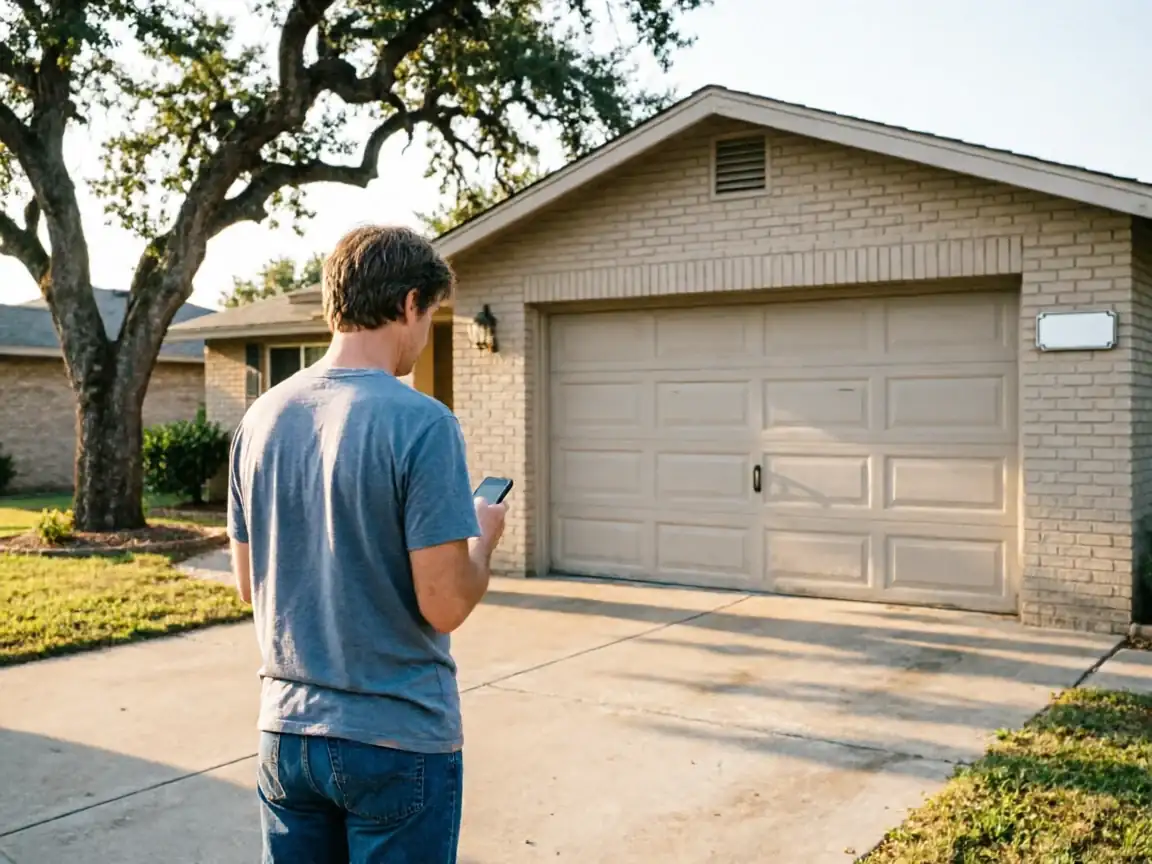
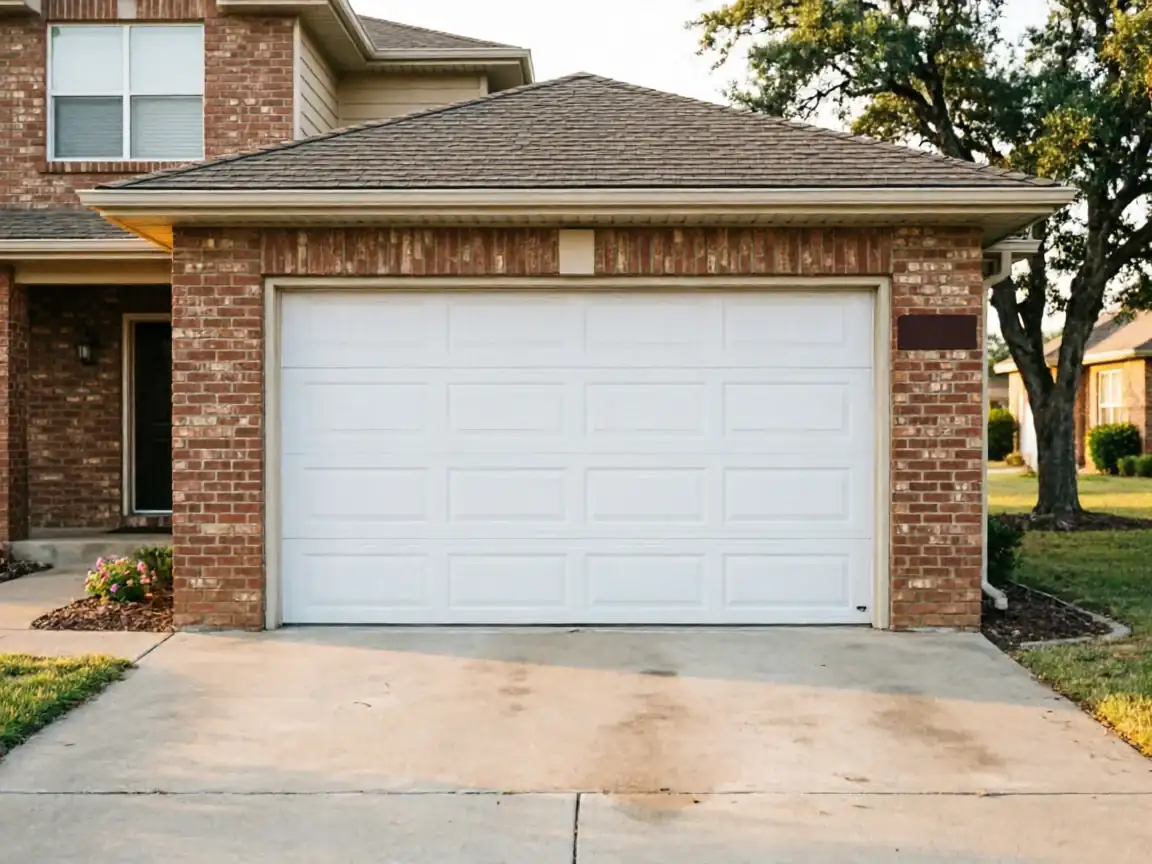
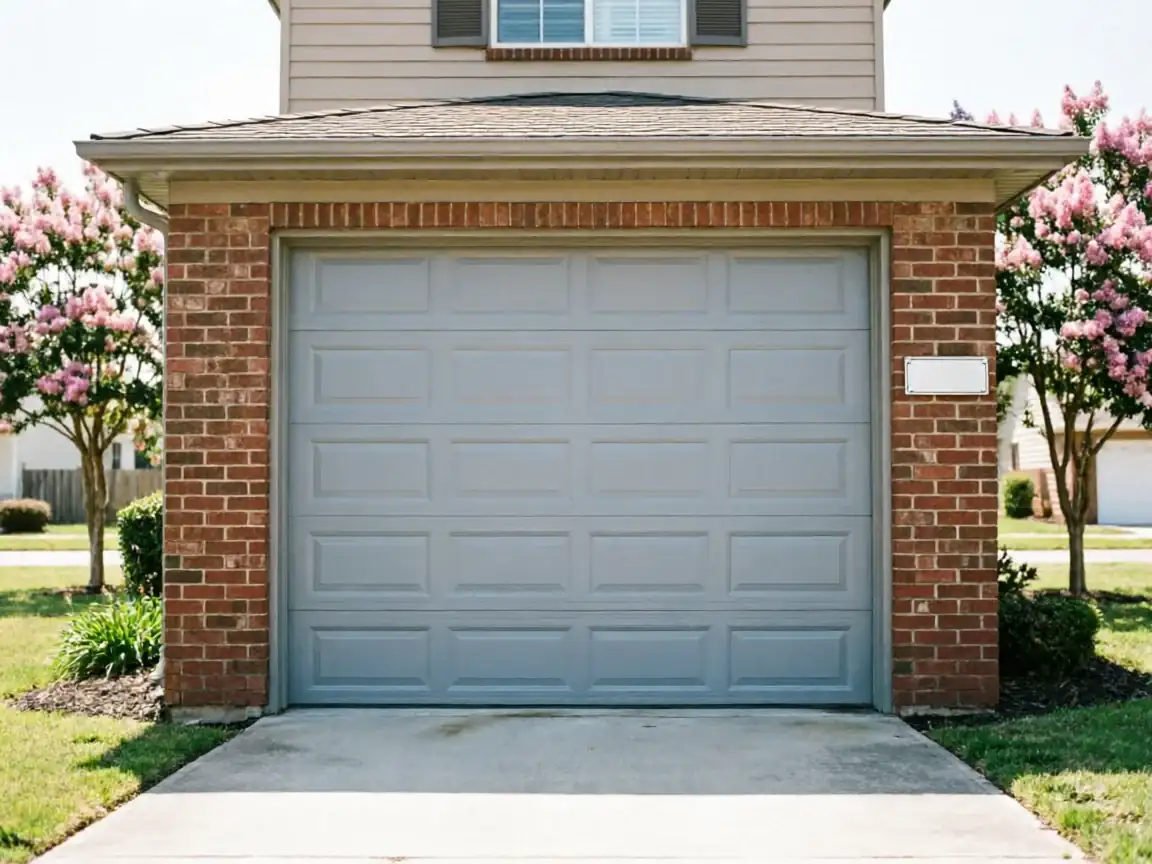
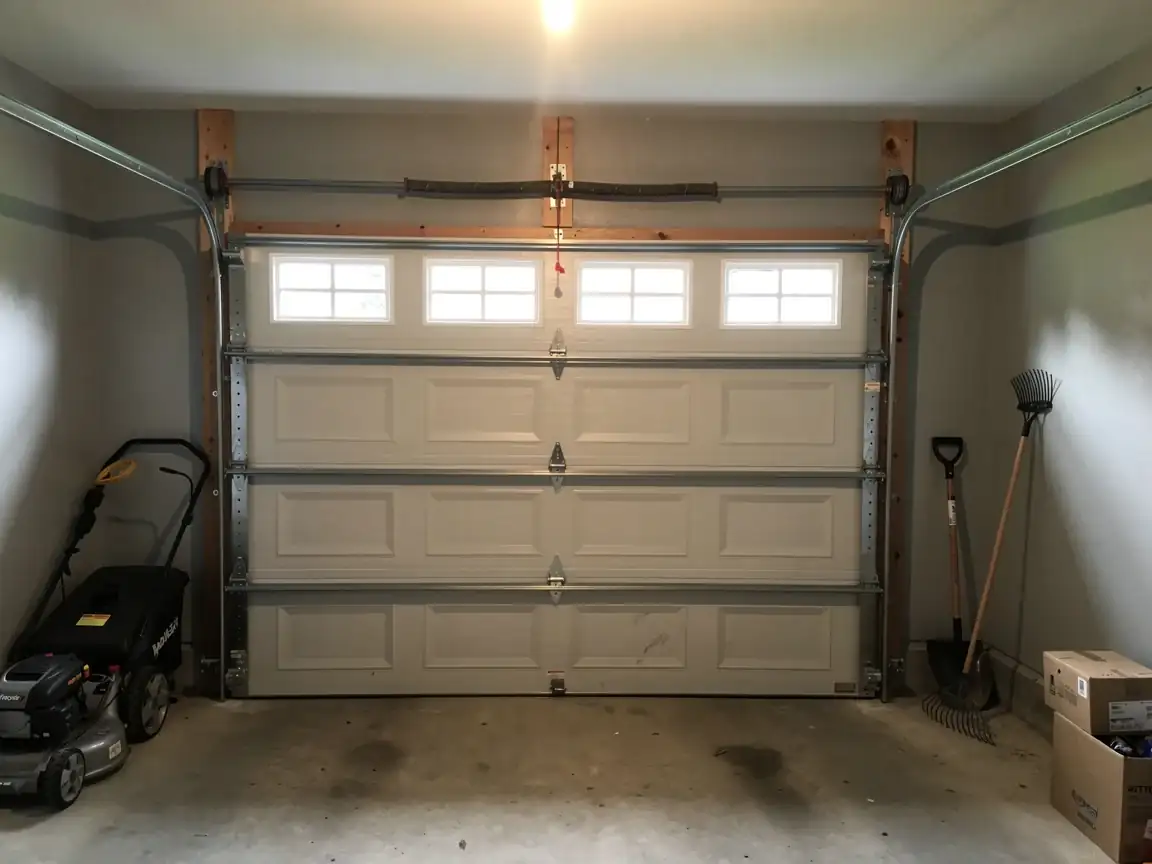
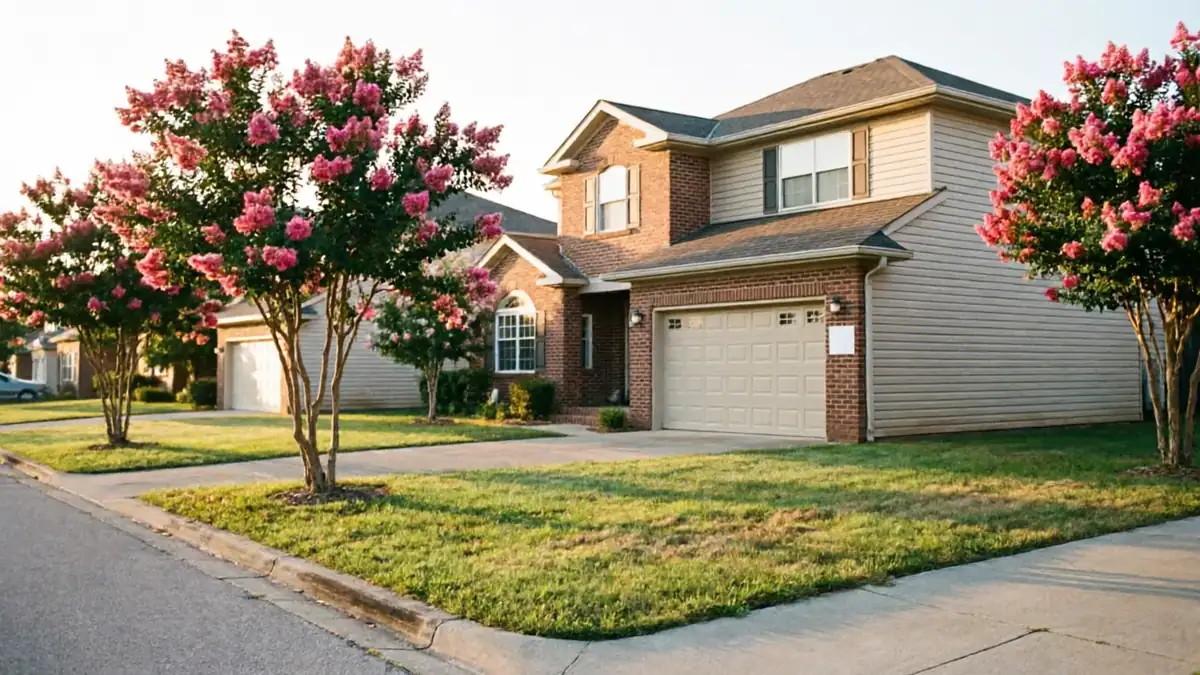
Most of the calls we take from Canyon aren't about a door that won't move at all. They're about a door that's noisy, slow, or hanging a little crooked on one side. That tracks with what's actually out there: this area filled in mostly through the 1980s, with houses here built around 1983 on average, which puts a lot of original torsion springs and steel sectional doors from that era still in service. A spring rated for 10,000 cycles installed in 1983 has had four decades to work through that count, so a lot of what we see is wear catching up all at once rather than one bad break.
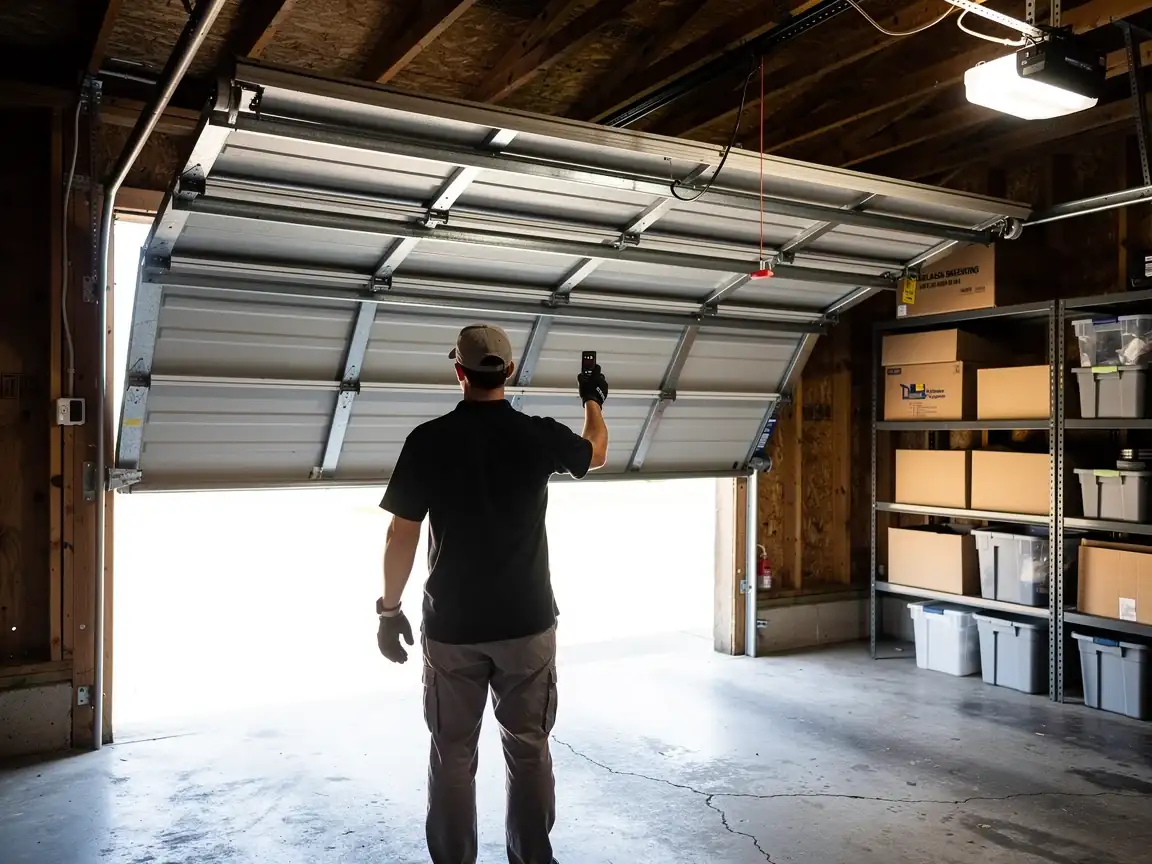
Openers are the other big one. Chain-drive units from that build period are loud by modern standards even when they're running fine, and a lot of owners assume a noisy opener is failing when it's just old. We'll tell you straight if a tune-up fixes it or if the unit's actually done, because replacing a working opener early is money you didn't need to spend.
When We Can Get There
We run out of Amarillo, and Canyon is about 15 miles from the shop
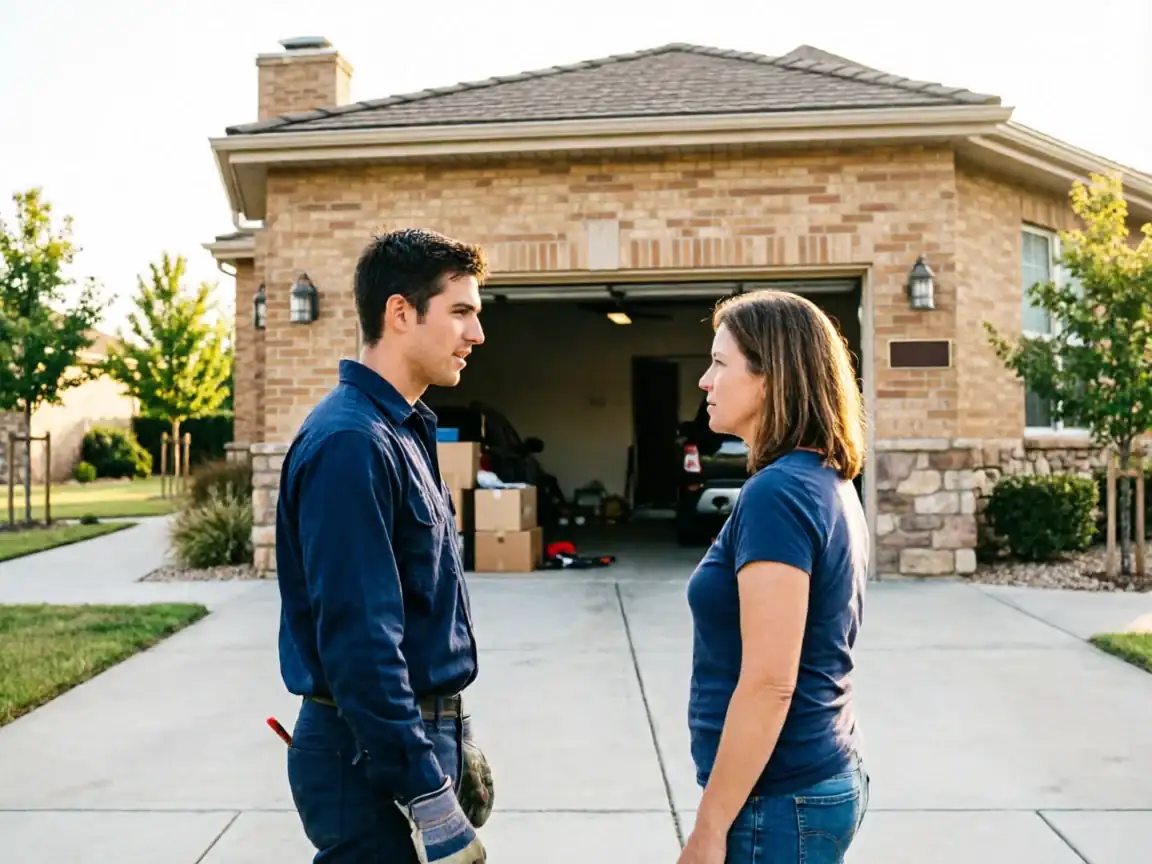
That's a real drive, not a quick trip across town, so same-day scheduling here depends more on how the route's already stacking up that day than it would for a job closer in. We don't carry a crew stationed in Canyon, so if you're calling about a door that's fully stuck and blocking a vehicle, say so up front - that's the kind of call we try to slot ahead of routine tune-ups.
- 15 miles
We're not going to tell you we beat some response-time number
Because we don't have one to quote here. What we will say is that the distance is the honest reason a Canyon job sometimes lands later in the day than a job five minutes from the shop. Plan around that if the repair isn't urgent, and tell us clearly if it is.
What Was Built Here
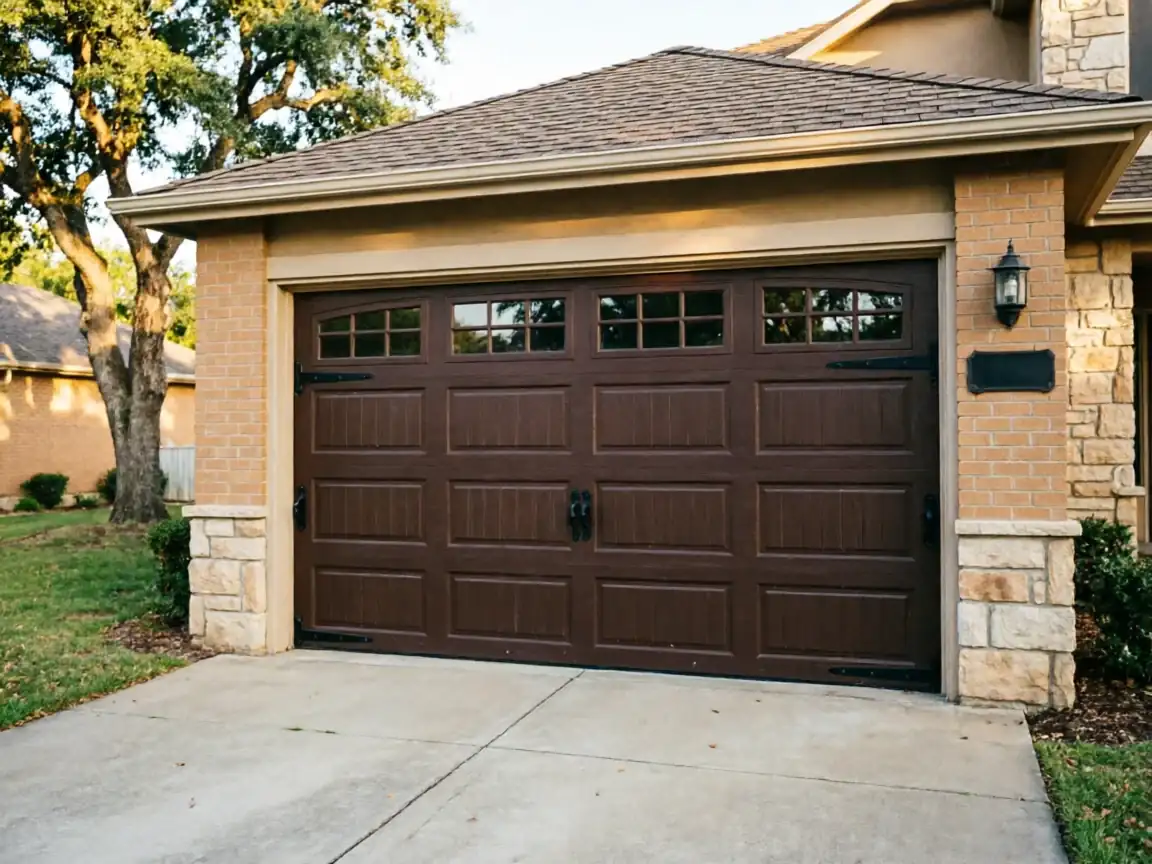
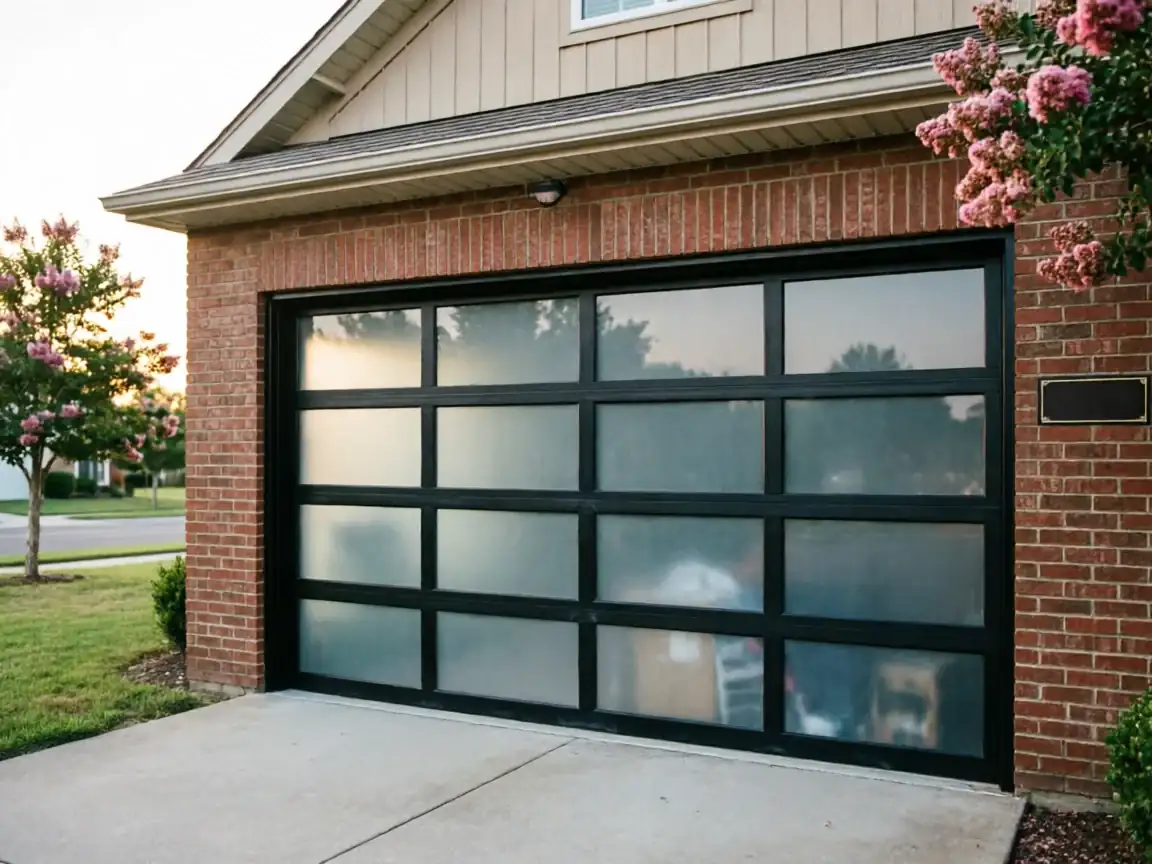
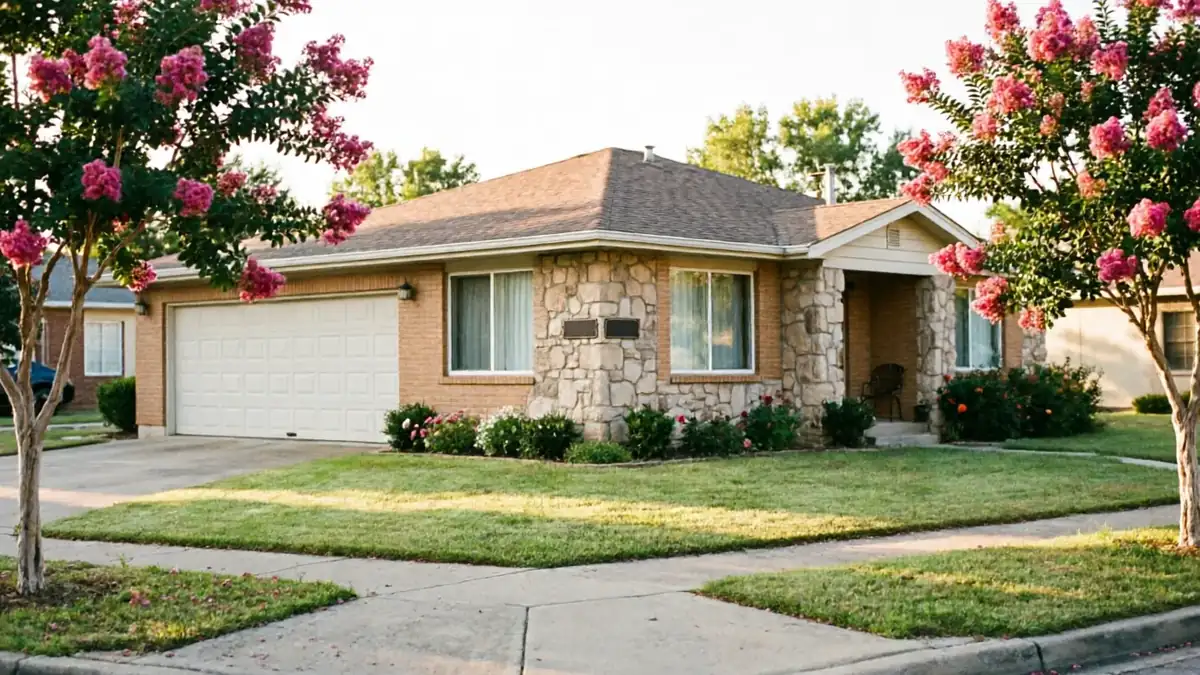
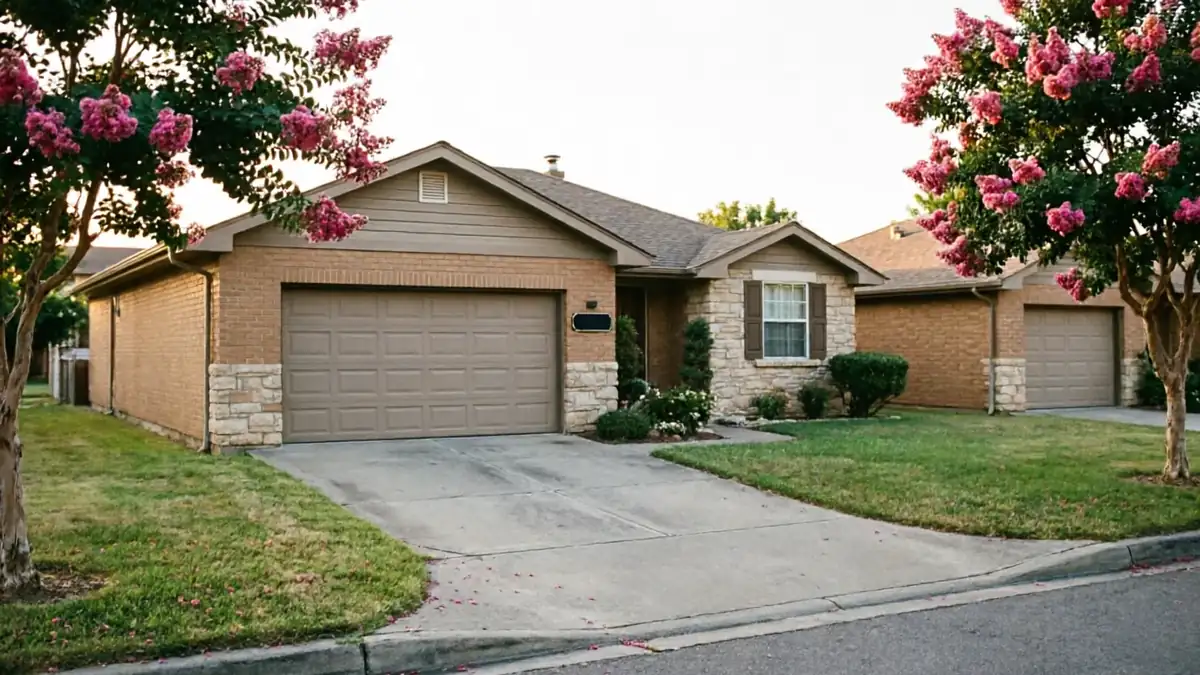
Canyon's housing stock sits earlier than the service area's overall range, which runs from 1983 up through 2013 with a median around 1998. Canyon itself centers closer to that 1983 end - meaning a bigger share of original doors, original torsion hardware, and original openers than you'd find in the newer sections of the broader coverage area. With roughly 5,523 households in Canyon and a median household income around $68,233, this isn't a market where wholesale garage door replacement is the norm - it's a market where repair and targeted upgrades carry most homes through.
The region overall sits in a cold, moderate climate band, which matters for steel doors from the 1980s: four decades of temperature swings work on the seams, the weatherstripping, and the galvanized coating on rollers and track differently than they would somewhere milder. None of that shows up overnight. It shows up as a door that's gotten a little harder to lift by hand every winter for the last several years.
How That Shows Up in the Door
Put the build year and the climate together and you get a specific, predictable set of failures rather than a generic list. Doors from the early-to-mid 1980s in a cold-moderate climate tend to show cracked or hardened weatherstripping first, since rubber ages faster with repeated freeze-thaw cycling than with steady weather. After that it's usually track alignment - thermal expansion and contraction over 40 winters nudges brackets loose a fraction at a time, and a door that used to run quiet starts catching on one roller.
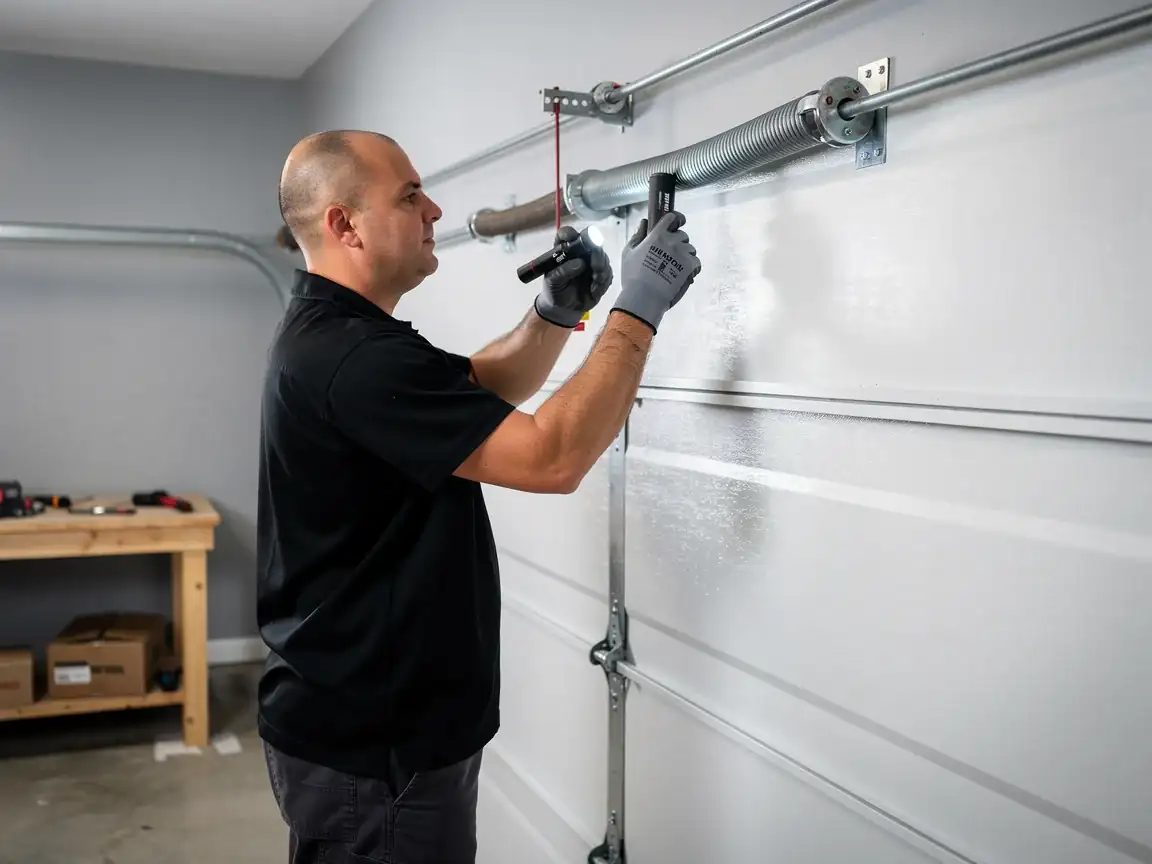
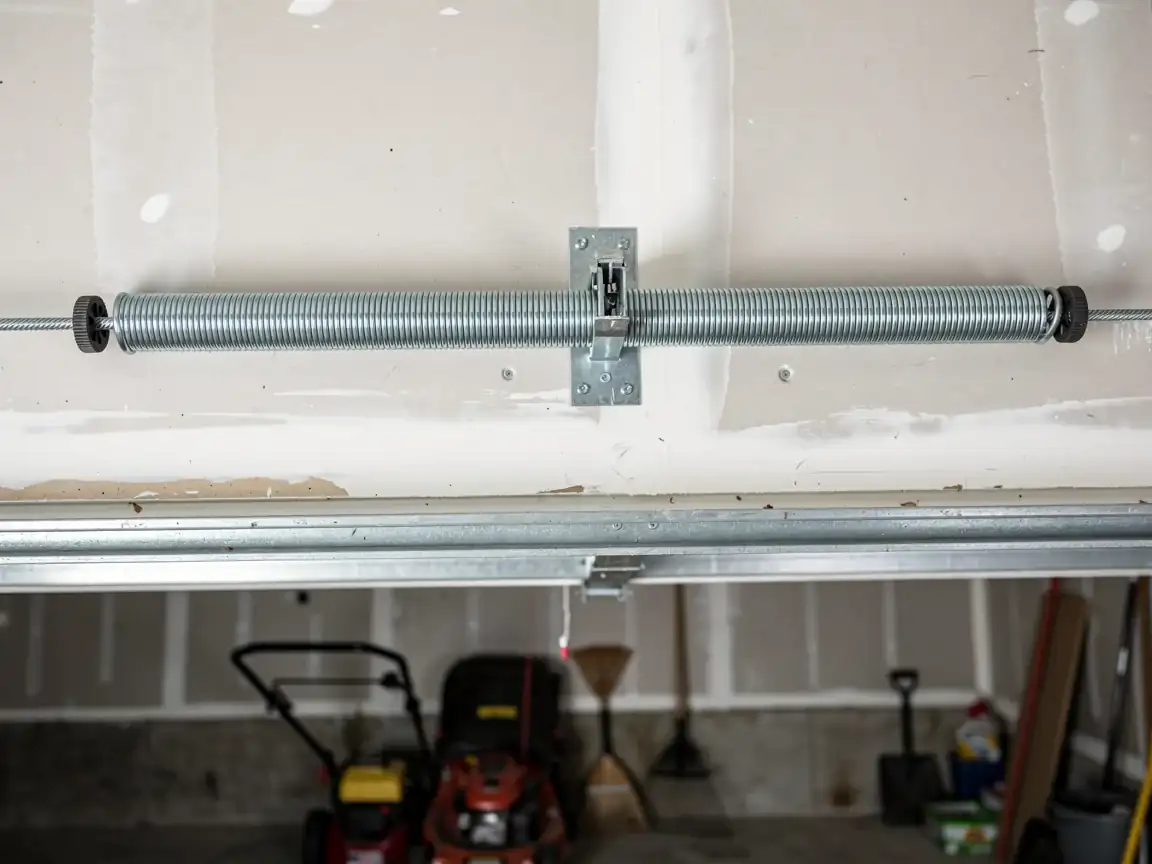
Springs are the one we watch closest, because an original torsion spring from a house built in 1983 has had far more open-close cycles than a spring installed in a newer home elsewhere in the coverage area. That's not a Canyon-specific defect, it's just age plus daily use, and it's exactly why a snapped spring here is more often a scheduled fix than a surprise if you've had someone look at the counterbalance in the last few years. Worth saying plainly: if the door's original steel panels are rusted through at the bottom, a spring swap won't fix that - at that point replacement is the honest answer, not another repair.