The Cost of This Job
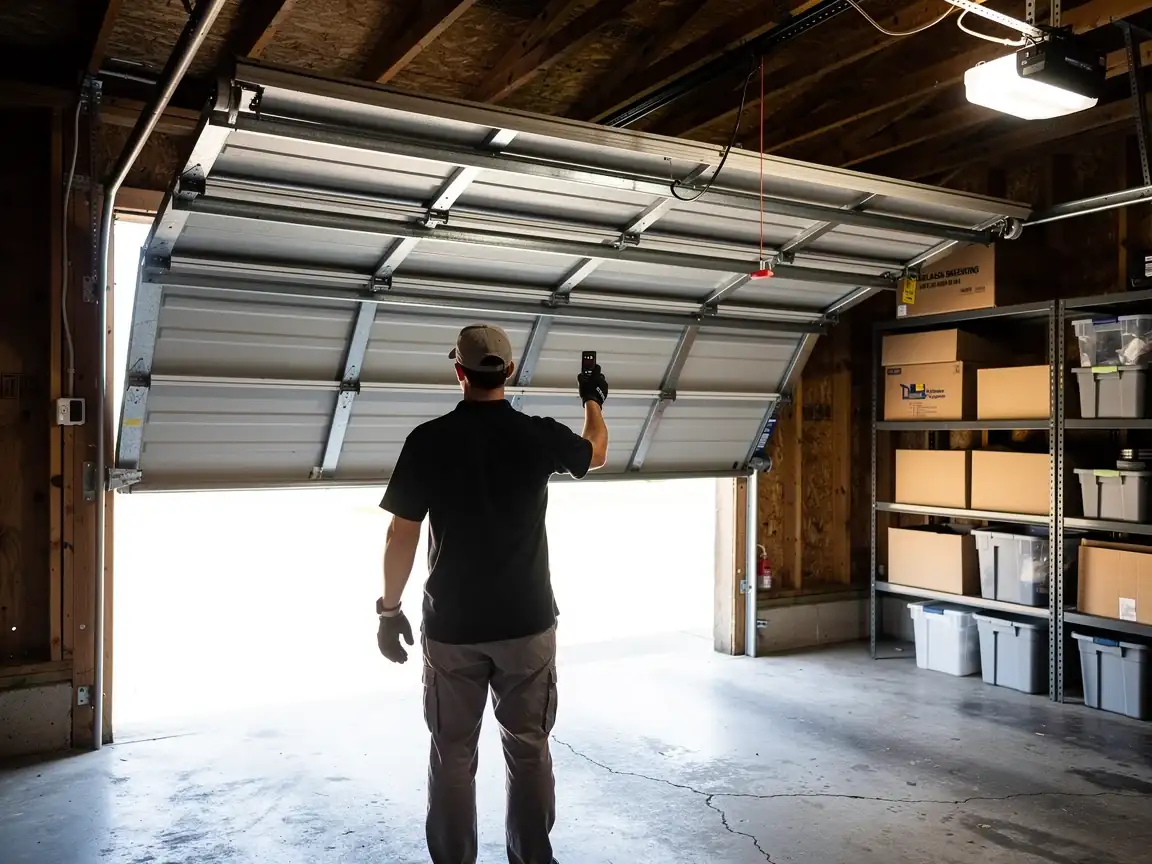
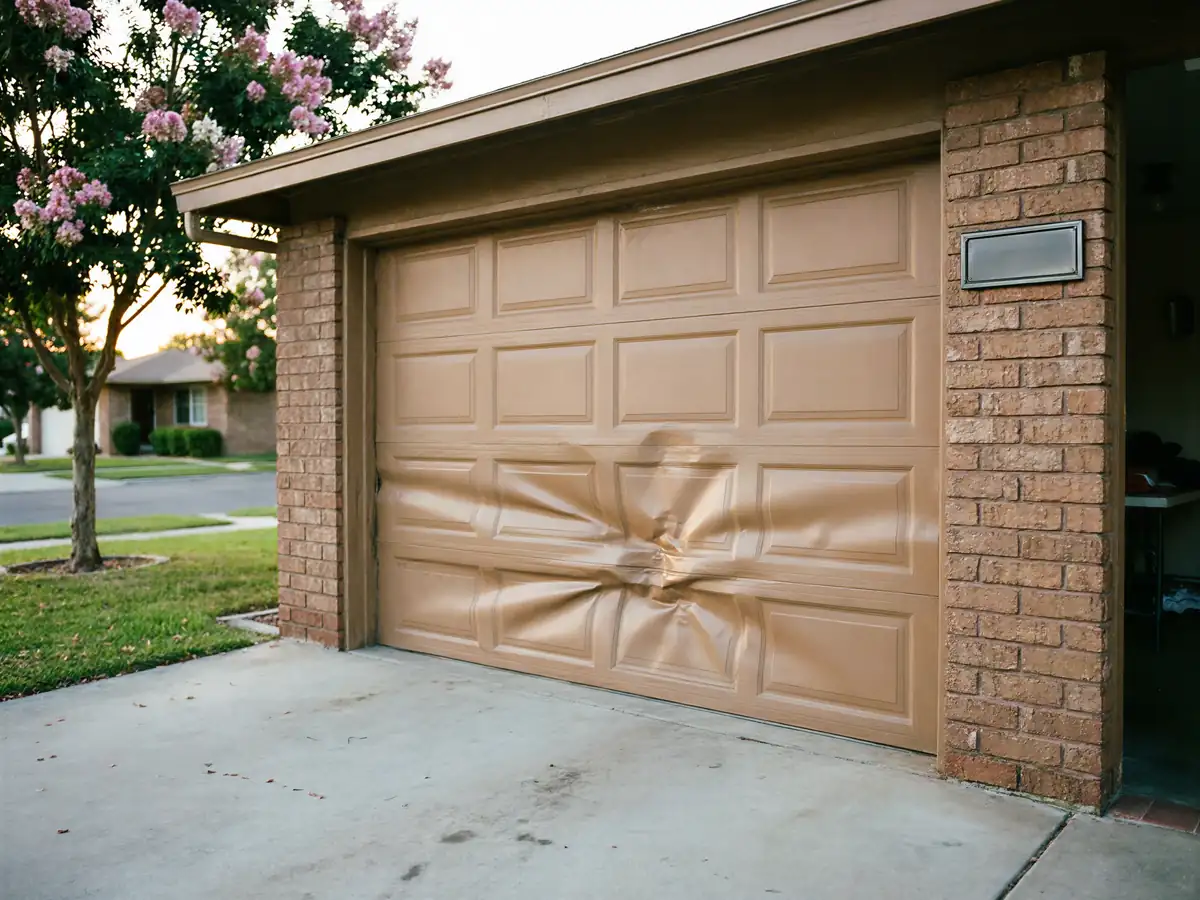
We don't post a flat number for cable repair because the job changes with what's attached to it. A single snapped lift cable on a torsion system is a different job than a cable that jumped the drum and chewed up the track on its way down. If a cable breaks while the door is up, it can drop fast and bend a track or crack a bottom panel, and now you're paying for more than cable. If it breaks while the door is down, you're usually looking at just the cable and maybe the drum it was wrapped around.
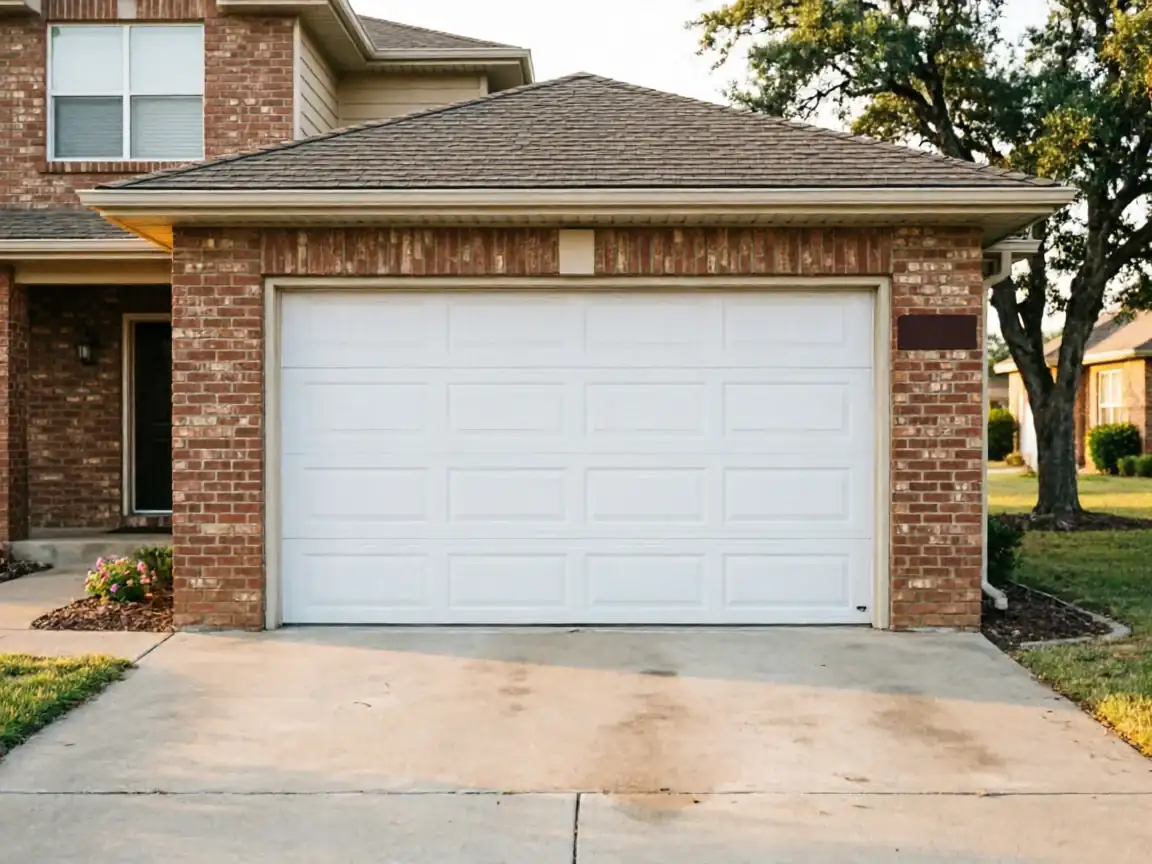
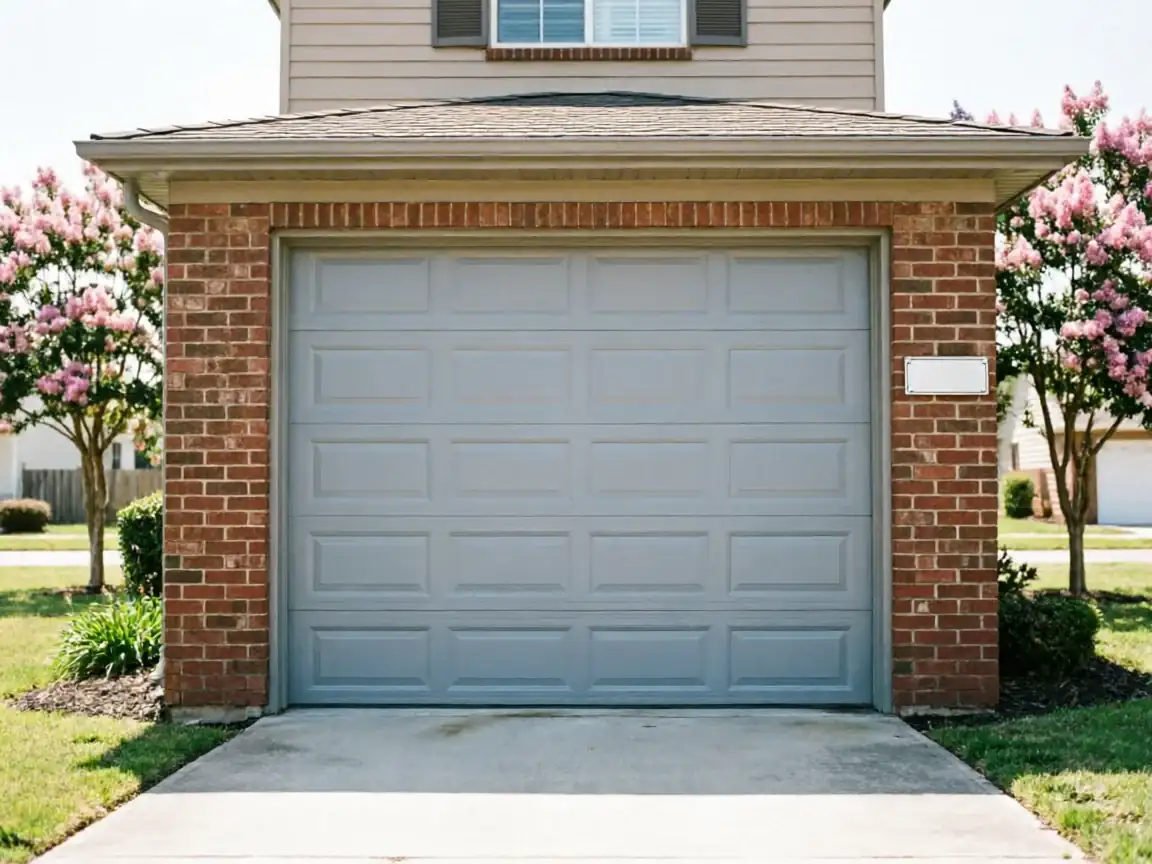
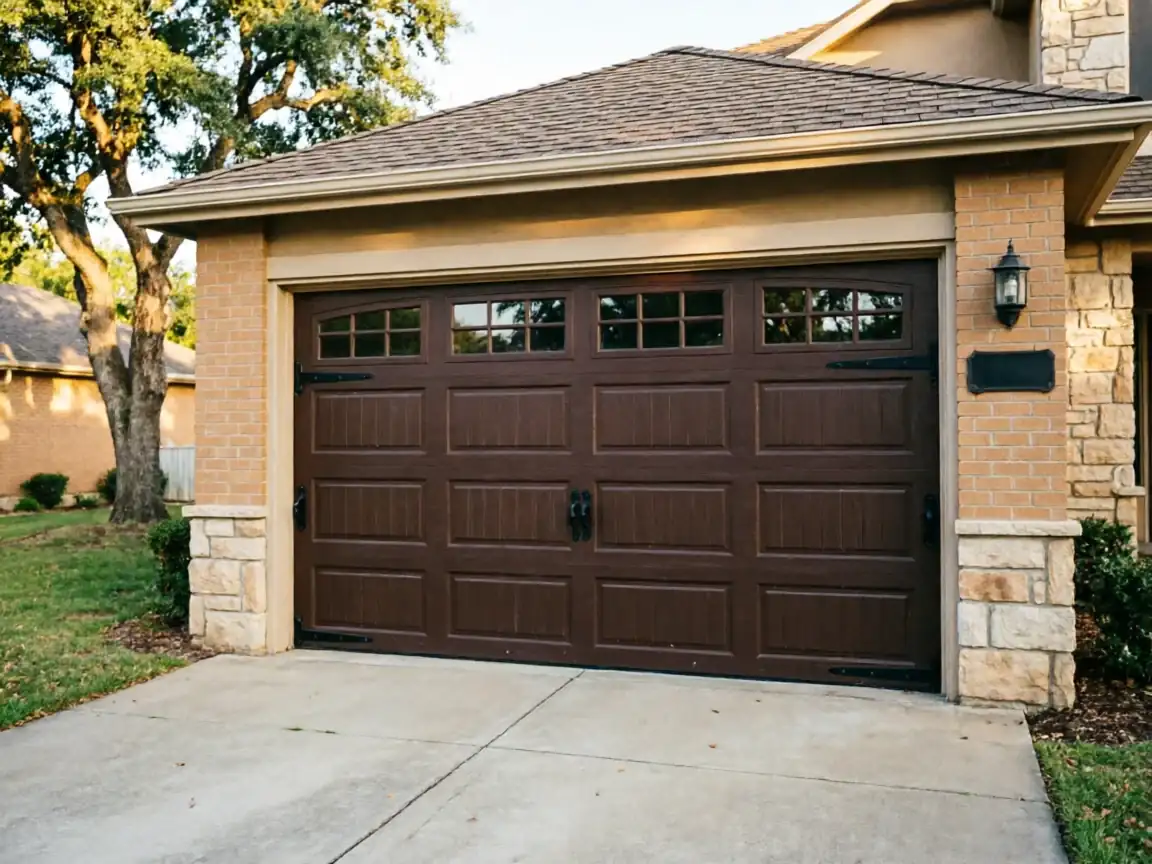
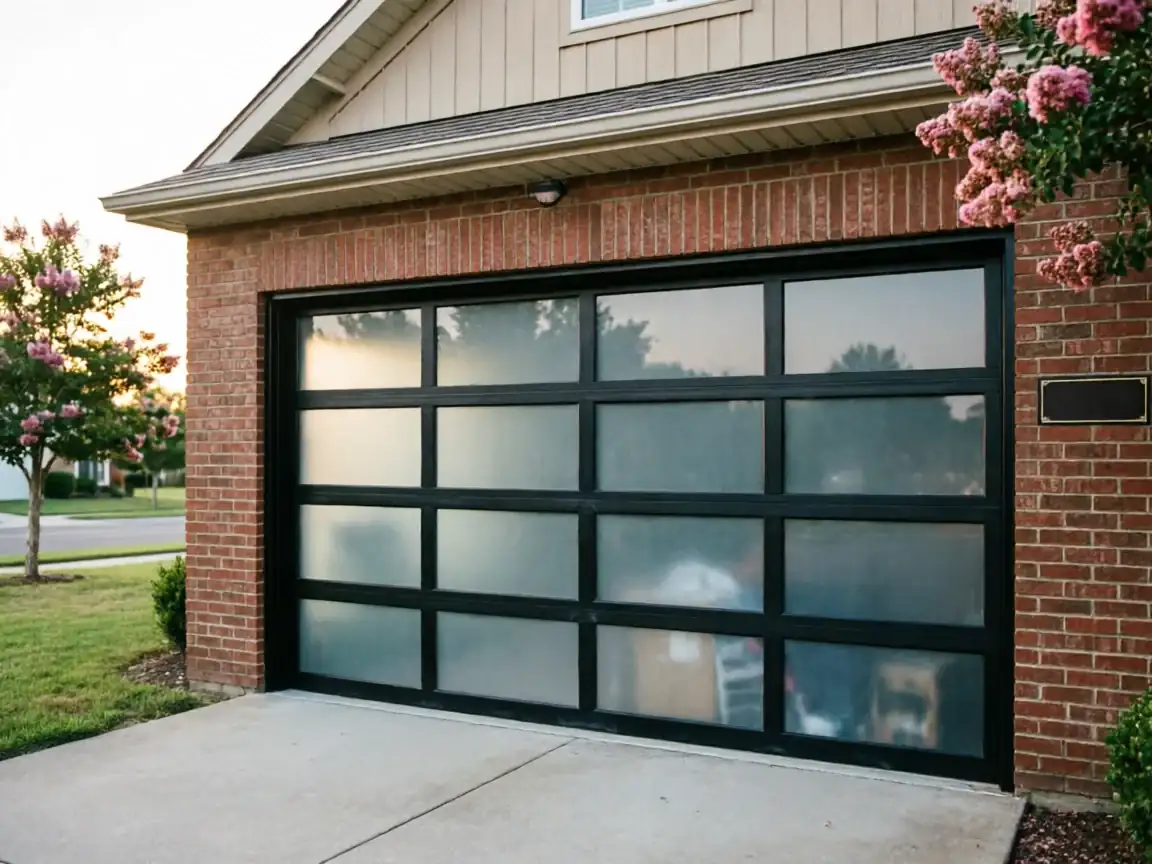
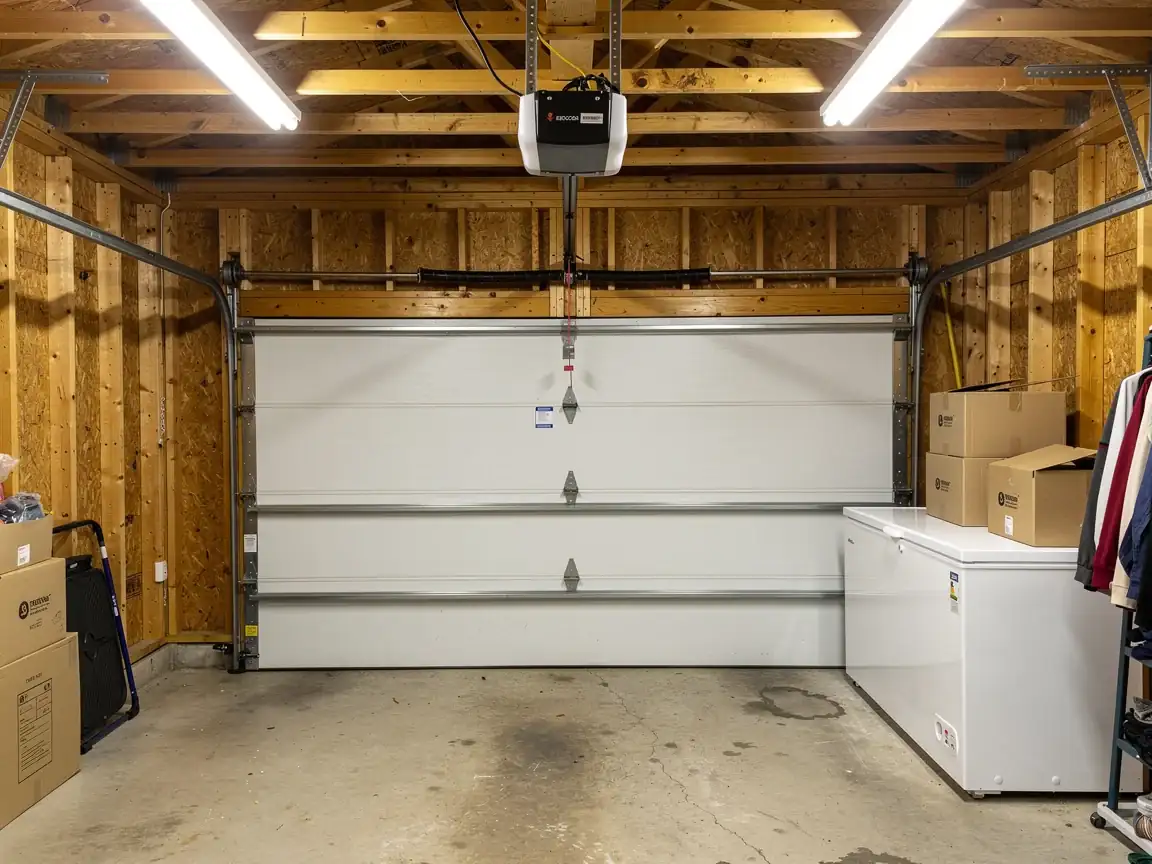
What we can tell you: most of the houses we work on in this service area were built between 1983 and 2013, so the openers and hardware are fairly standardized two-car residential setups, not oddball original equipment. That keeps parts predictable, which keeps the job itself predictable once we're looking at it. The variable isn't the house, it's how far the failure got before someone noticed. A cable that's frayed but intact is a short call. A cable that's already come off the drum and locked the door half-open is a longer one. We'll tell you which one you've got before we start, not after.
What Causes It Around Here
Lift cables fail from two things mostly: cycle fatigue and cold
Amarillo sits in a cold-moderate climate band, and that matters more for cables than people think. Steel cable doesn't flex as cleanly when it's cold, and the lubricant on the drum and the cable itself thickens up. A cable that's been fraying quietly all summer is more likely to finally let go on a 20-degree morning when everything in the system is stiffer and the spring is working harder to lift a door that isn't moving smoothly.
The housing stock here adds a second factor
Most of the homes we see were built in the 1983-2013 window, concentrated in two main areas of town, which means a lot of garage doors are now 15 to 30 years into their working life. That's right in the range where factory-wound cables start showing wear - not from one bad day, but from tens of thousands of up-down cycles. Add a cold morning on a cable that was already thinning, and that's the call we get. It's rarely one cause by itself. It's an aging cable meeting a cold snap on a door that's been cycled daily for two decades.
- 30 years
What You Are Seeing
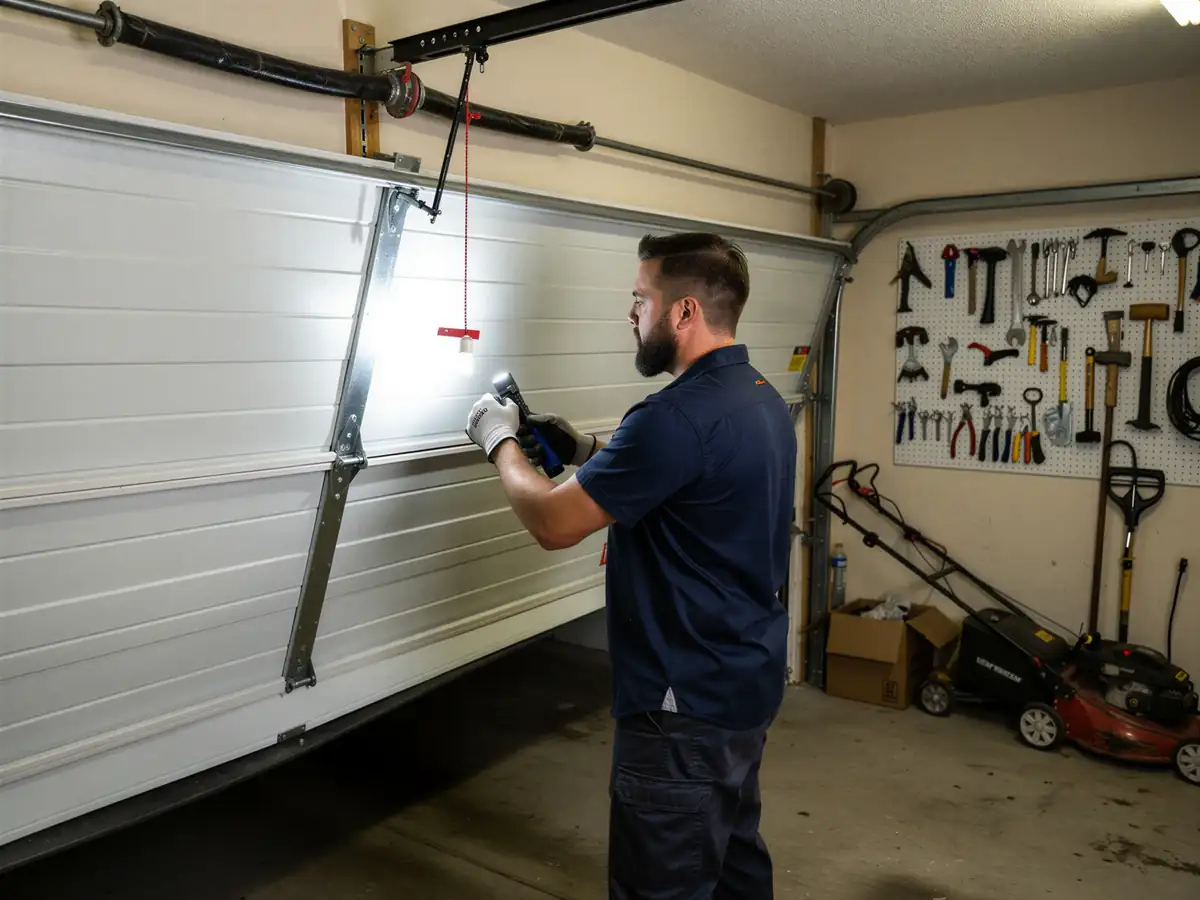
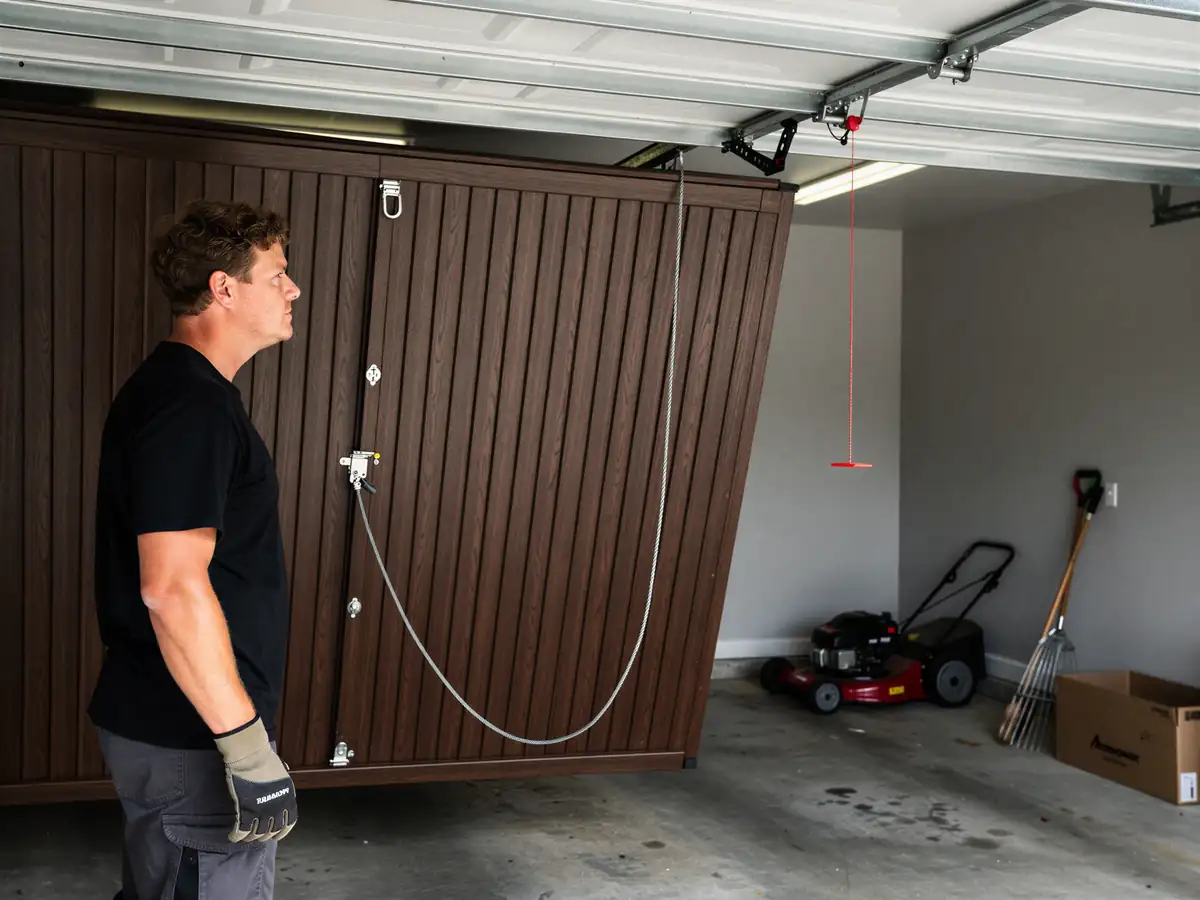
A few signs point straight at the cable, not the spring or the opener. If the door is crooked when it opens or closes - one side higher than the other - that's almost always a cable issue, either one has slipped off its drum or one has already snapped. If you hear a loud bang followed by the door refusing to move, that's usually a cable or spring letting go, and you should stop using the opener until someone's looked at it.
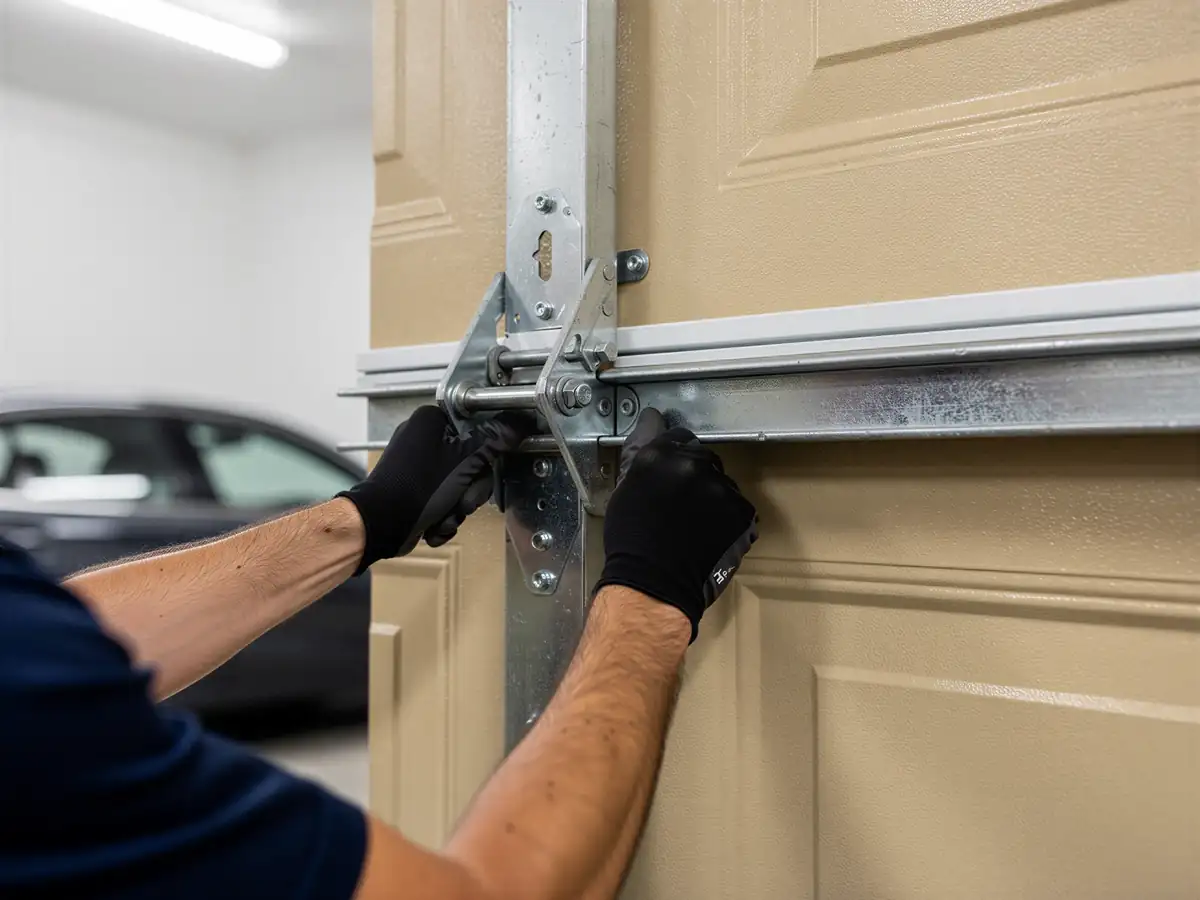
Fraying shows up as visible broken strands near the bottom bracket or up at the drum, sometimes with rust if the cable's been damp. A door that drops suddenly the last foot before hitting the floor, instead of settling slowly, often means the cable has lost tension gradually rather than snapped outright. None of these are openers problems, even though an opener will often get blamed first since that's the part people interact with. The opener is just doing what it's told - it's the cable doing the lifting, and when it goes, the opener can't compensate.
Can You Do This Yourself
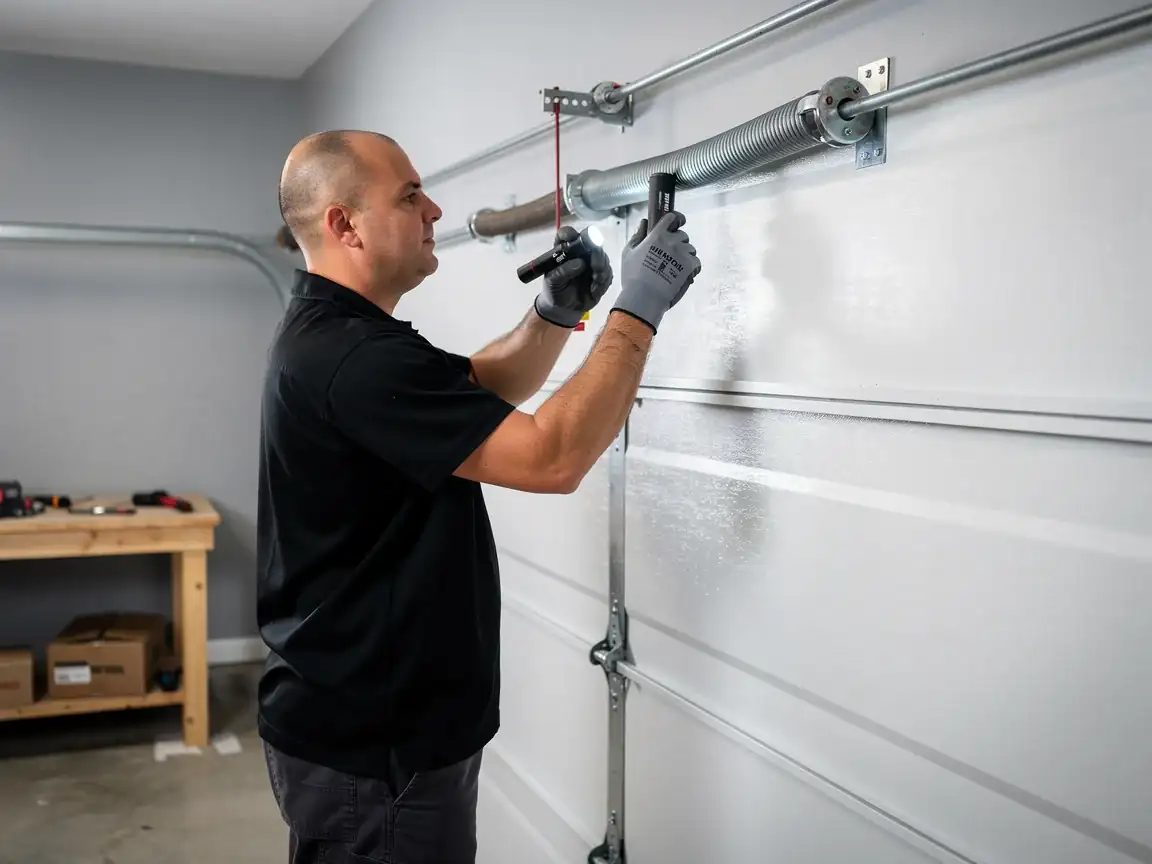
We'll say it plainly: don't. A garage door cable is under load from a wound spring, and if you disconnect it wrong, the spring can release that energy all at once. That's not a scare tactic, it's just how the hardware works - these aren't like a bike cable you can swap with a wrench and five minutes. Even unwinding the tension safely takes the right winding bars and knowing which way the spring is wound, which varies by installer and by door.
What a homeowner can reasonably do is the diagnosis part: look at the cable near the bottom bracket, check whether the door hangs level, listen for grinding at the drum. If you see fraying, stop opening and closing the door - every cycle on a weak cable brings it closer to snapping, possibly with the door open. That's the honest limitation here: we'd rather get a call for a cable that's