The Situation
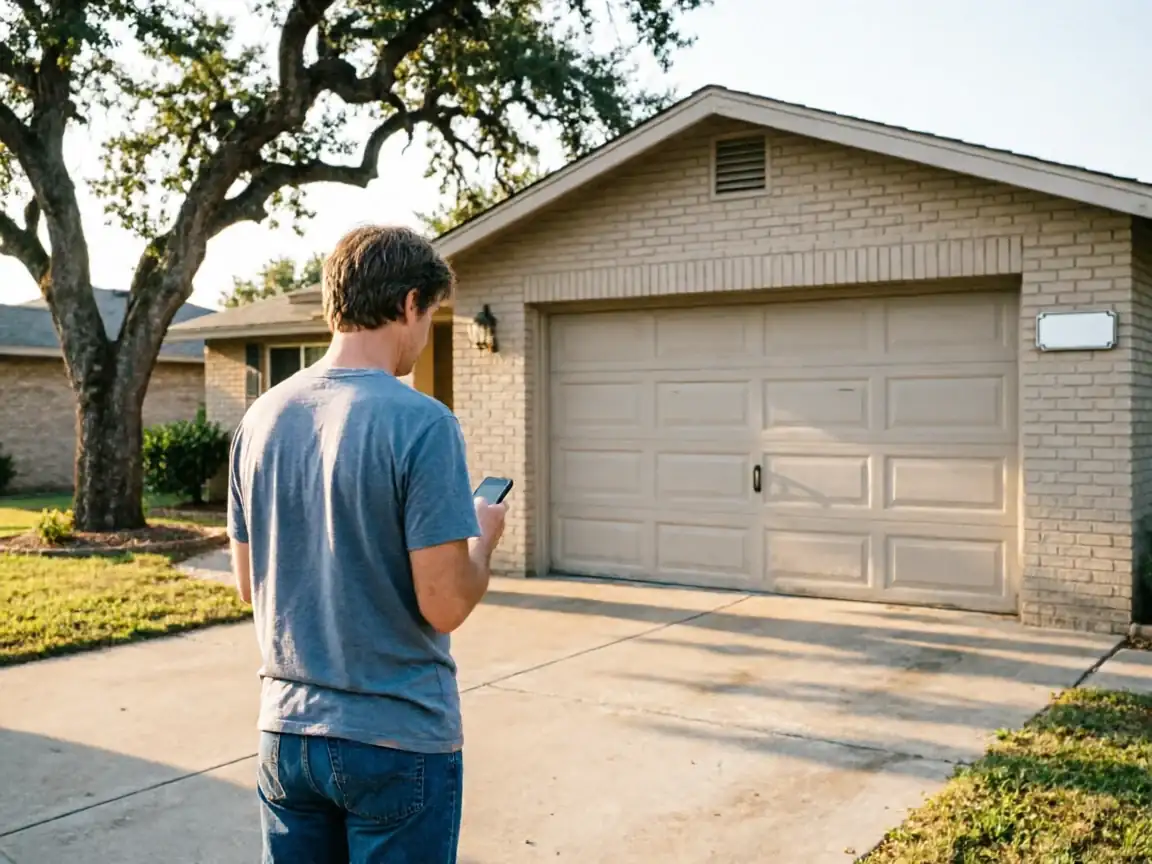
Walk the service area and you're mostly looking at houses built between 1983 and 2013, with the midpoint landing around 1998. That's not a random spread - it shows up as two distinct pockets of 1980s and 90s stock, which means a huge share of the garage doors out here are riding on the same generation of torsion hardware, installed by the same handful of builders during the same stretch of years.
That matters because springs don't fail on a schedule tied to the calendar - they fail on a cycle count, and a spring installed in 1991 has been through roughly the same number of open-close cycles as its neighbor three streets over. When one goes, you can often guess which others on the block are close behind.
With 6,332 households and 2,974 owner-occupied houses across the area, that's a lot of doors sitting in the same window of wear. It's not a reason to panic, but it is a reason the phone tends to ring in clusters rather than one house at a time - and it's worth knowing that if your door is original to a house from that era, the spring under it has already done a lot of work.
How Local Conditions Play In
The climate band here is cold-moderate
And that's the piece that turns an aging spring from a slow problem into a sudden one. Steel loses flexibility as the temperature drops, and a torsion spring that's already near the end of its cycle life is far more likely to snap on the first hard cold morning of the season than during a mild stretch in October.
This lines up directly with the build era
A spring from a house built in the 1983-2013 window has had twenty to forty years of seasonal swings - summer heat, then a cold snap, then back again. Each swing adds a little metal fatigue. By the time you're a decade or two in, it doesn't take much of a temperature drop to be the final straw.
I won't tell you the exact day it'll happen, because nobody can
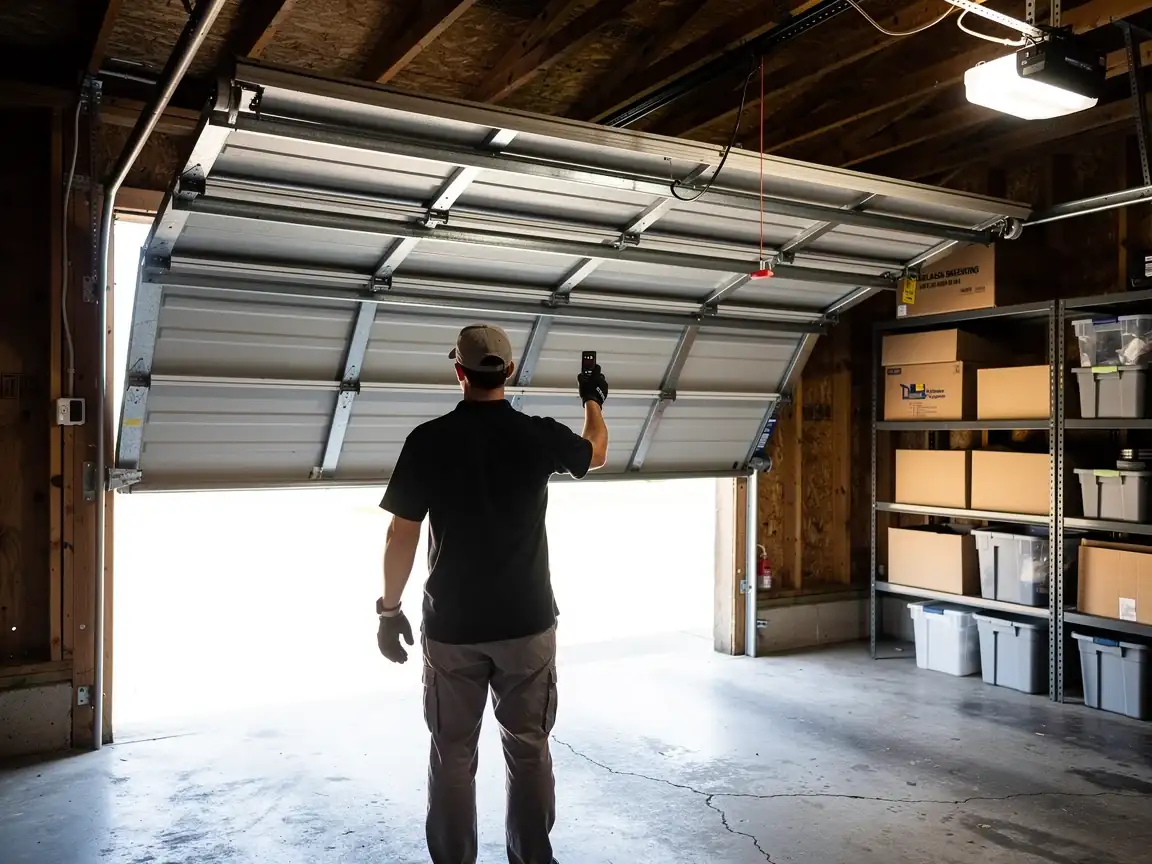
What I can tell you is that if your door is original to a house from that era and you haven't had the spring looked at, a cold snap is the most likely time it lets go - usually first thing in the morning, when the door's been sitting closed and cold all night and gets asked to lift a full, heavy weight on a stiff spring.
When to Get Help
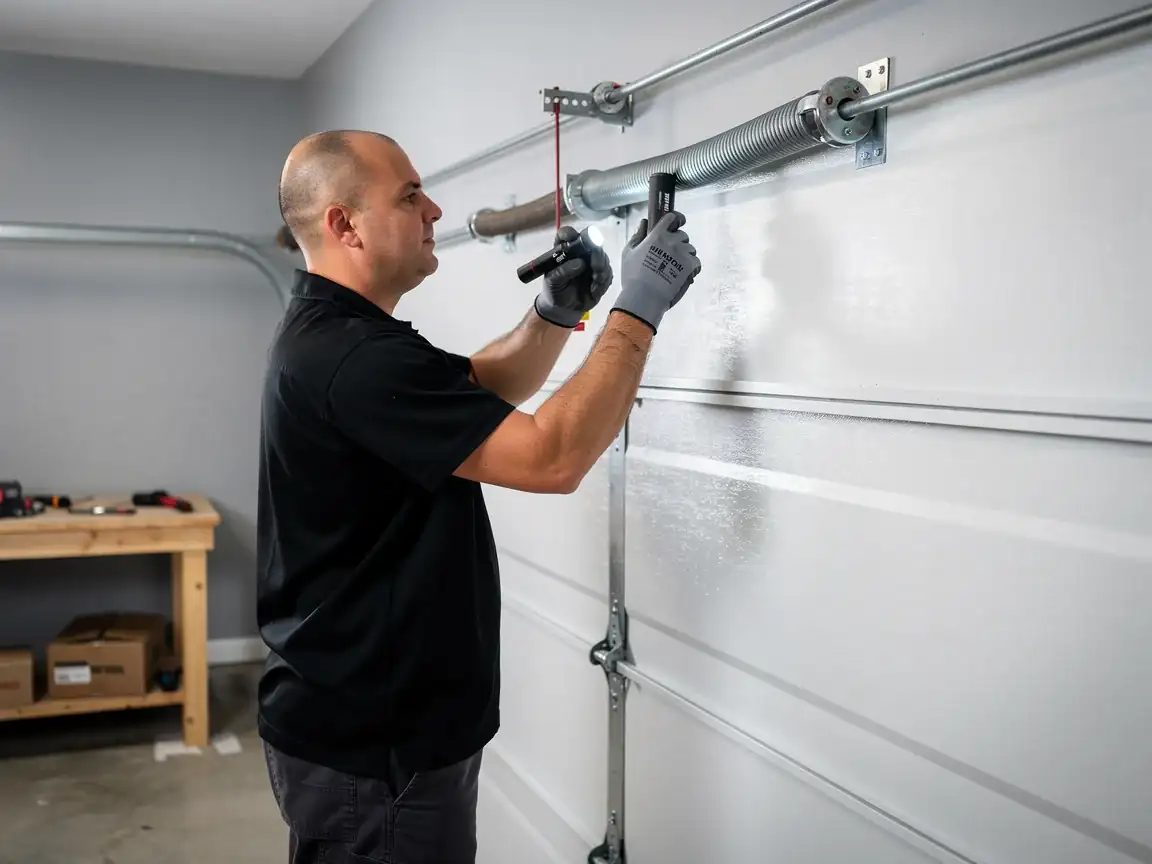
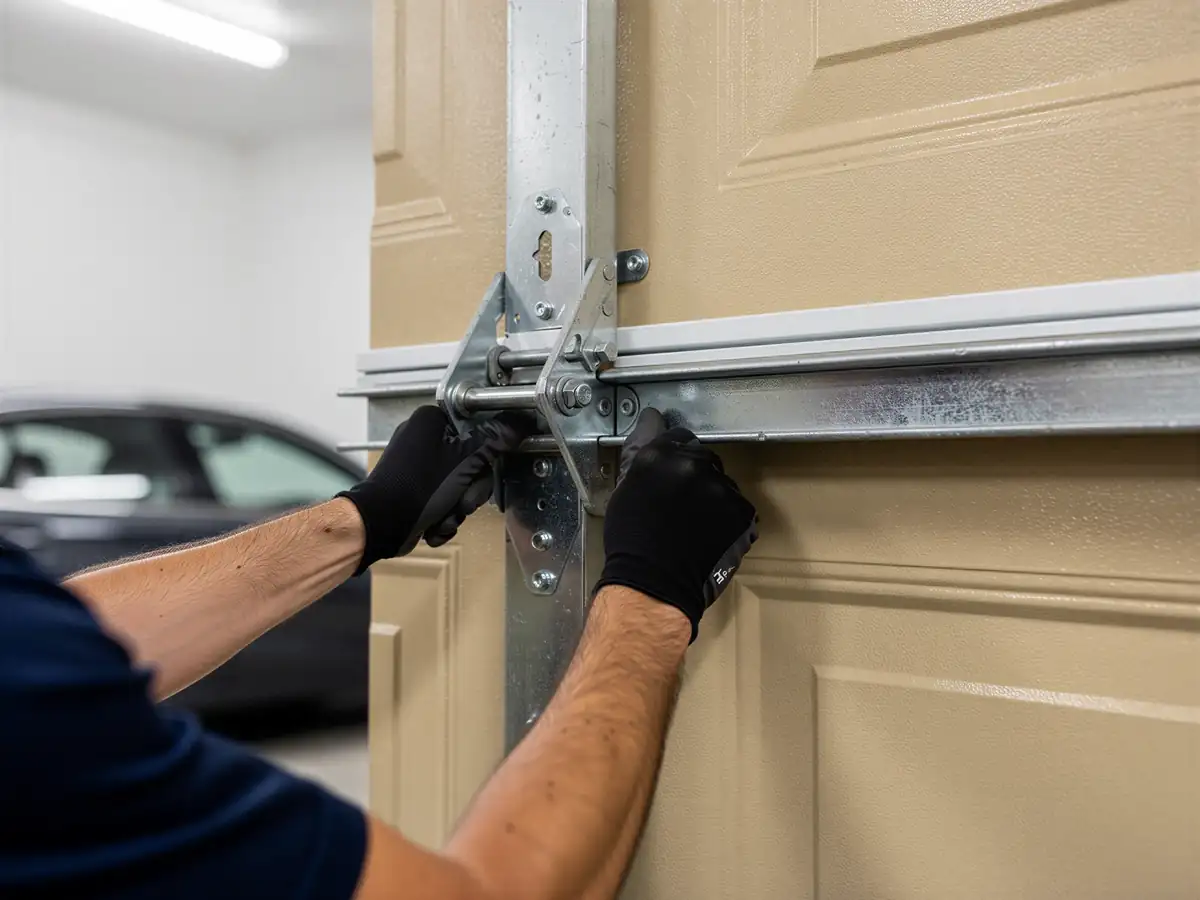
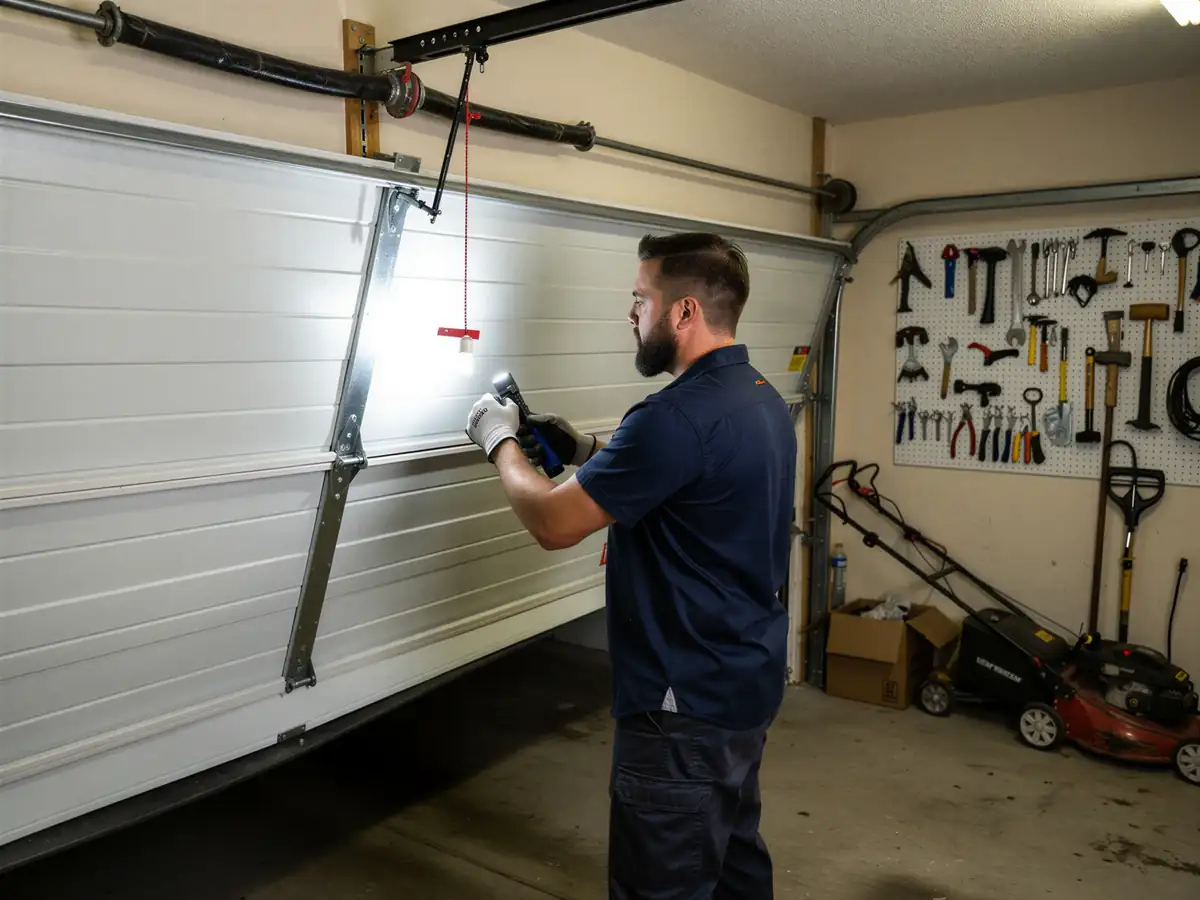
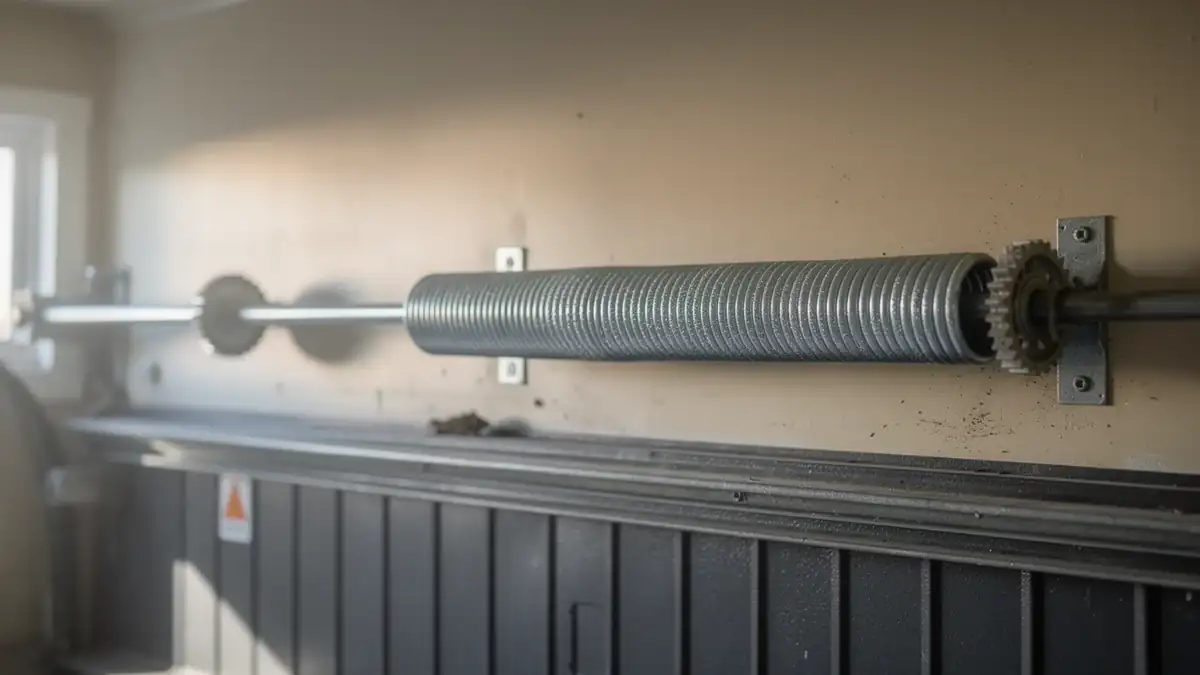
A spring that's about to go rarely fails with zero warning. Listen for a door that sounds different than it used to - a grinding or popping on the way up, or a door that seems to hesitate partway through its travel. Look at the spring itself if you can see it: a visible gap in the coil means it's already broken, and the door is running on one spring or none.
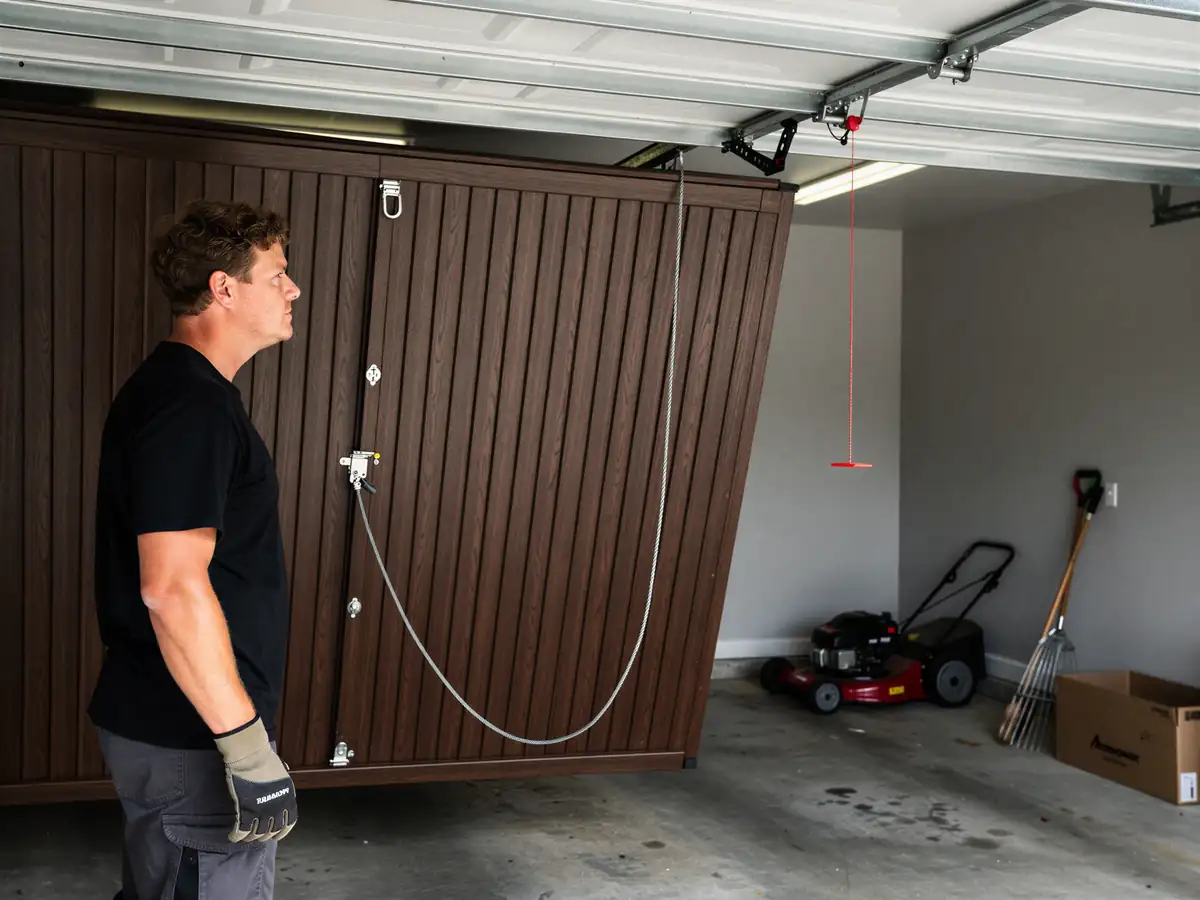
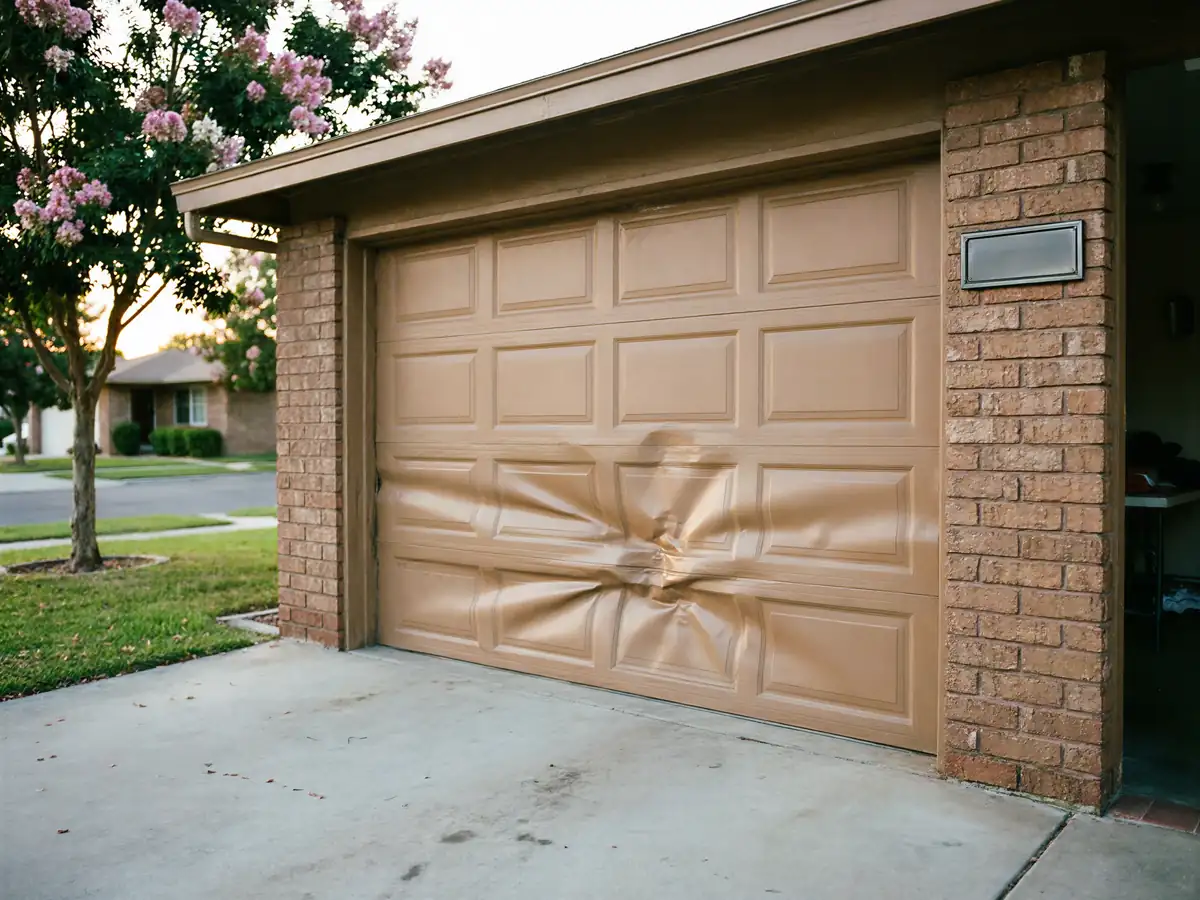
If the door won't lift, or lifts and then drops hard, stop using it. A broken torsion spring puts real strain on the opener and the cables, and running it that way turns a spring job into a bigger repair.
Here's the honest limitation: if a spring breaks on a Friday afternoon during a cold snap, and a dozen other doors in the same 1990s-era pocket are having the same problem, parts and scheduling can both be tight. We carry what covers most of the common torsion sizes from that build era, but if your door needs something unusual, there can be a short wait. That's not something we can promise around - it's just the reality of a cluster failure hitting at once.
What Most People Get Wrong
The most common mistake is assuming it's the opener. A door that won't open on a cold morning gets blamed on the motor, when nine times out of ten the opener is fine and the spring simply can't lift the door's weight anymore. Replacing an opener doesn't fix a broken spring, and you'll be back to square one with a bigger bill.
The second mistake is trying to tension a torsion spring without the right bars and a clear idea of what you're doing. These springs store enough force to cause a serious injury, and that risk doesn't go down because the house is only twenty or thirty years old instead of eighty.
The third is waiting. With a median household income of $107,286 in the service area, most owners here aren't choosing between fixing the spring and paying another bill - they're choosing between calling now or calling after the door's been forced open a few more times and the track's taken damage too. Catching it early, especially once the cold sets in, keeps a simple repair simple.