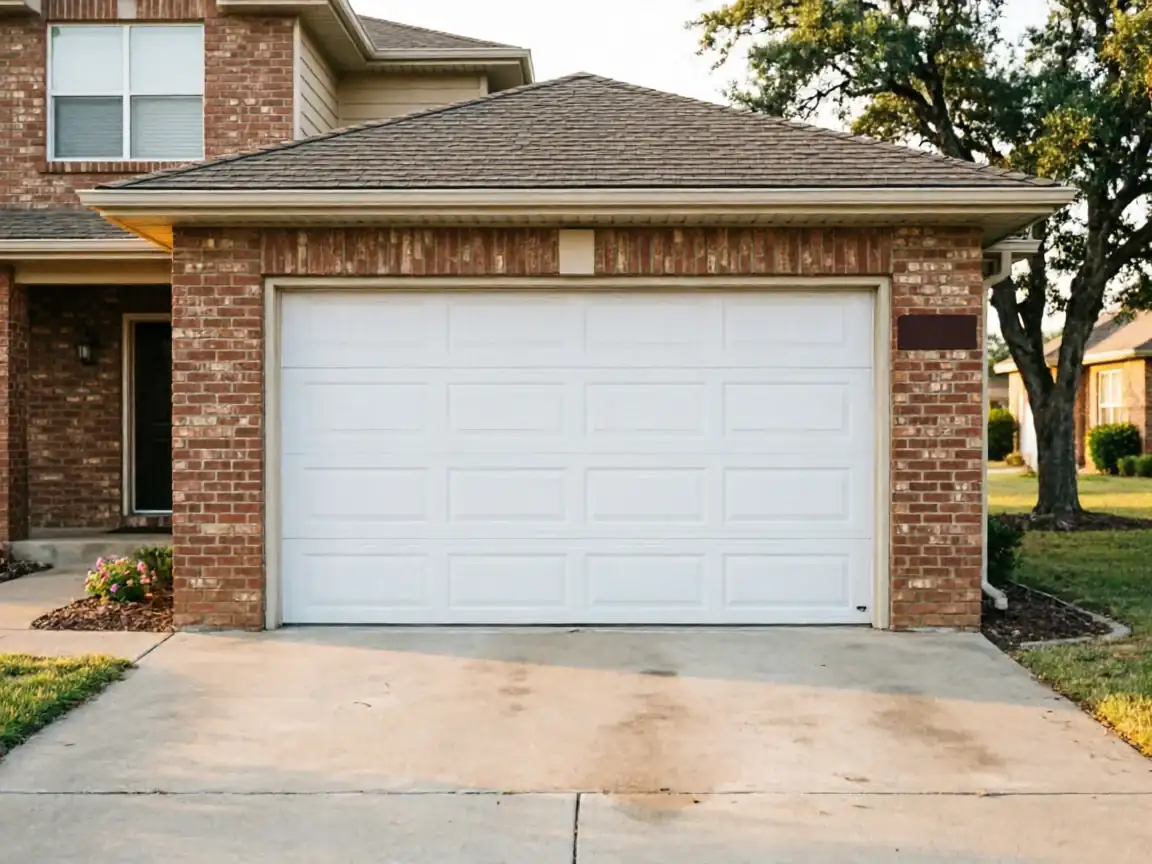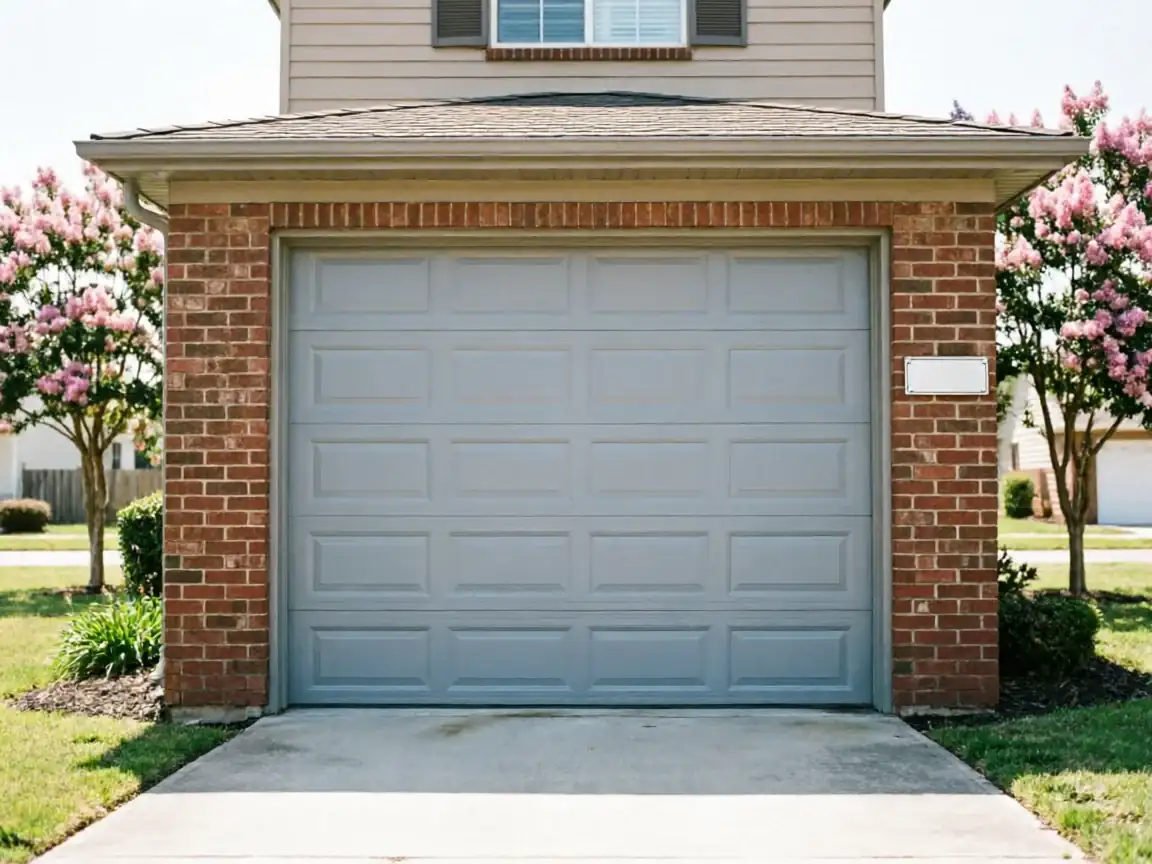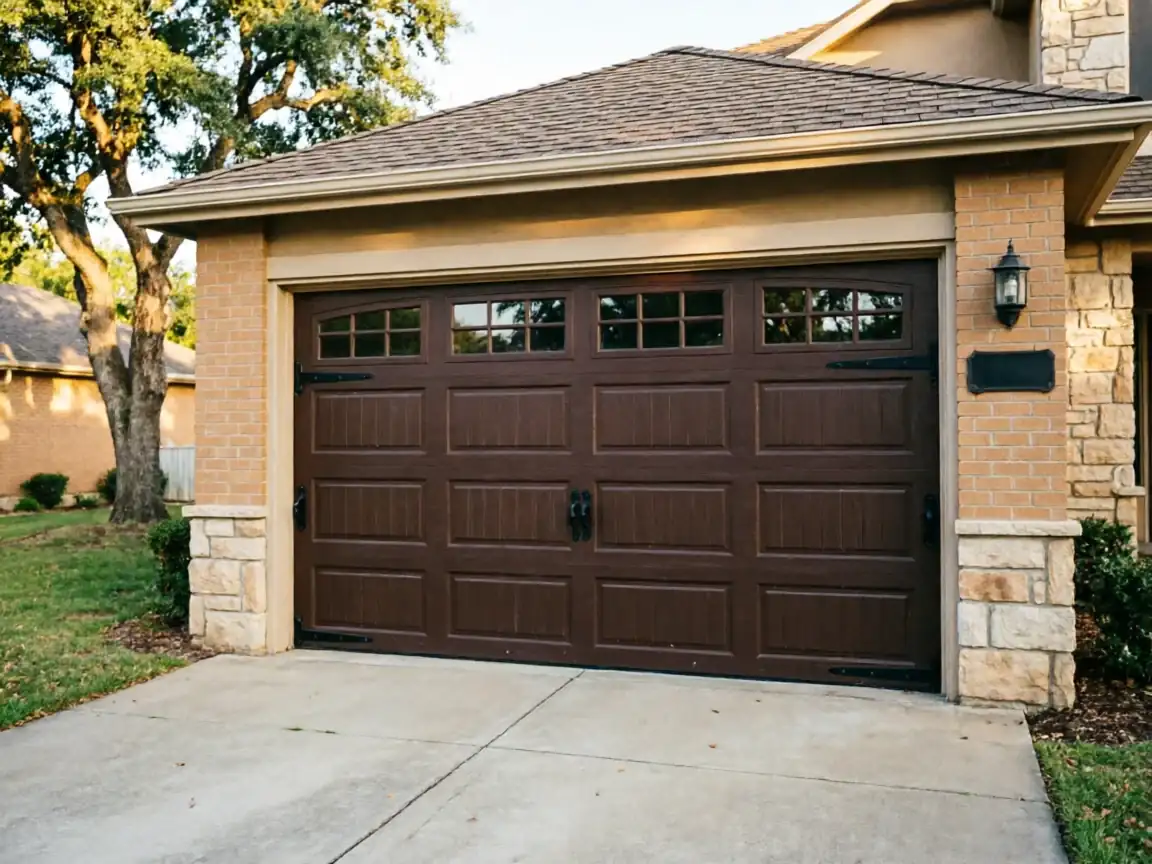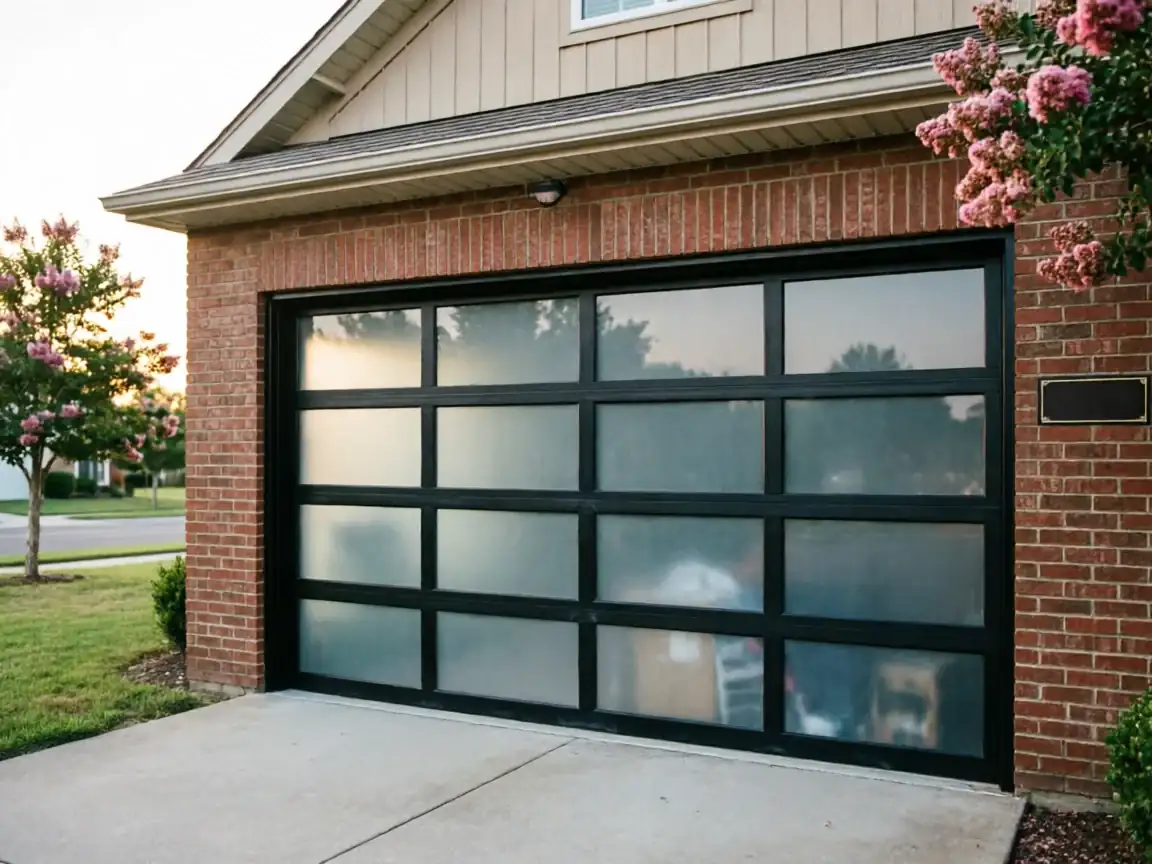
What the Fix Involves
Canyon sits at the early edge of the service area's building window. The area-wide median year built across the two main neighborhoods we track is 1998, but Canyon's own housing stock runs closer to 1983 - a decade and a half older on average. That gap matters for roller work because it tells us what's already on the track before we open the truck.
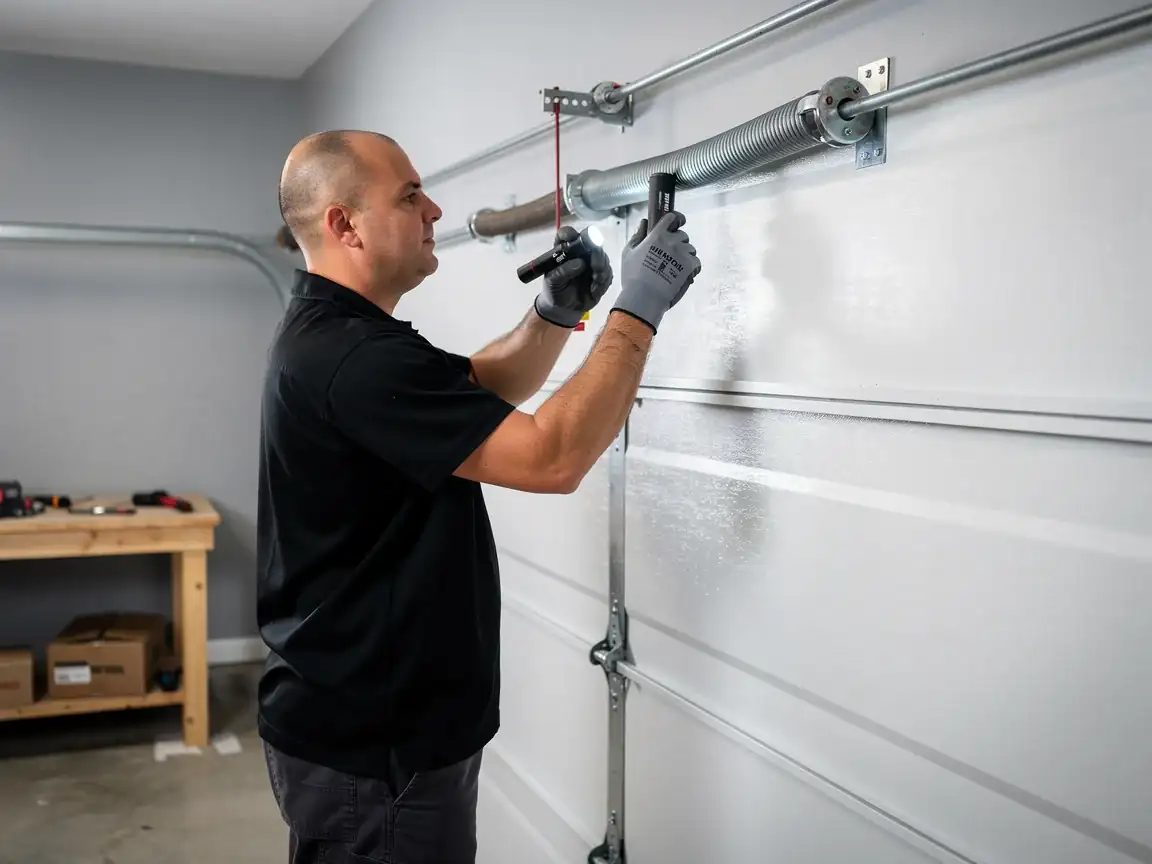
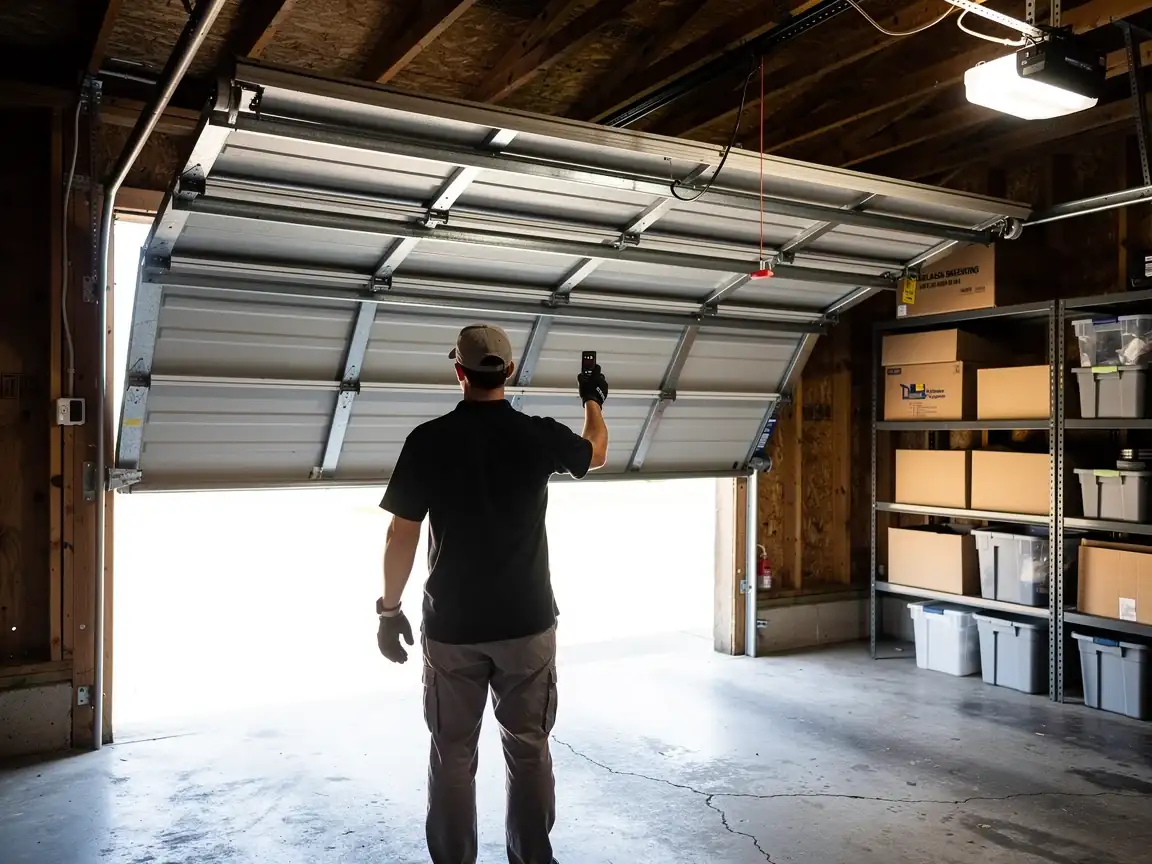
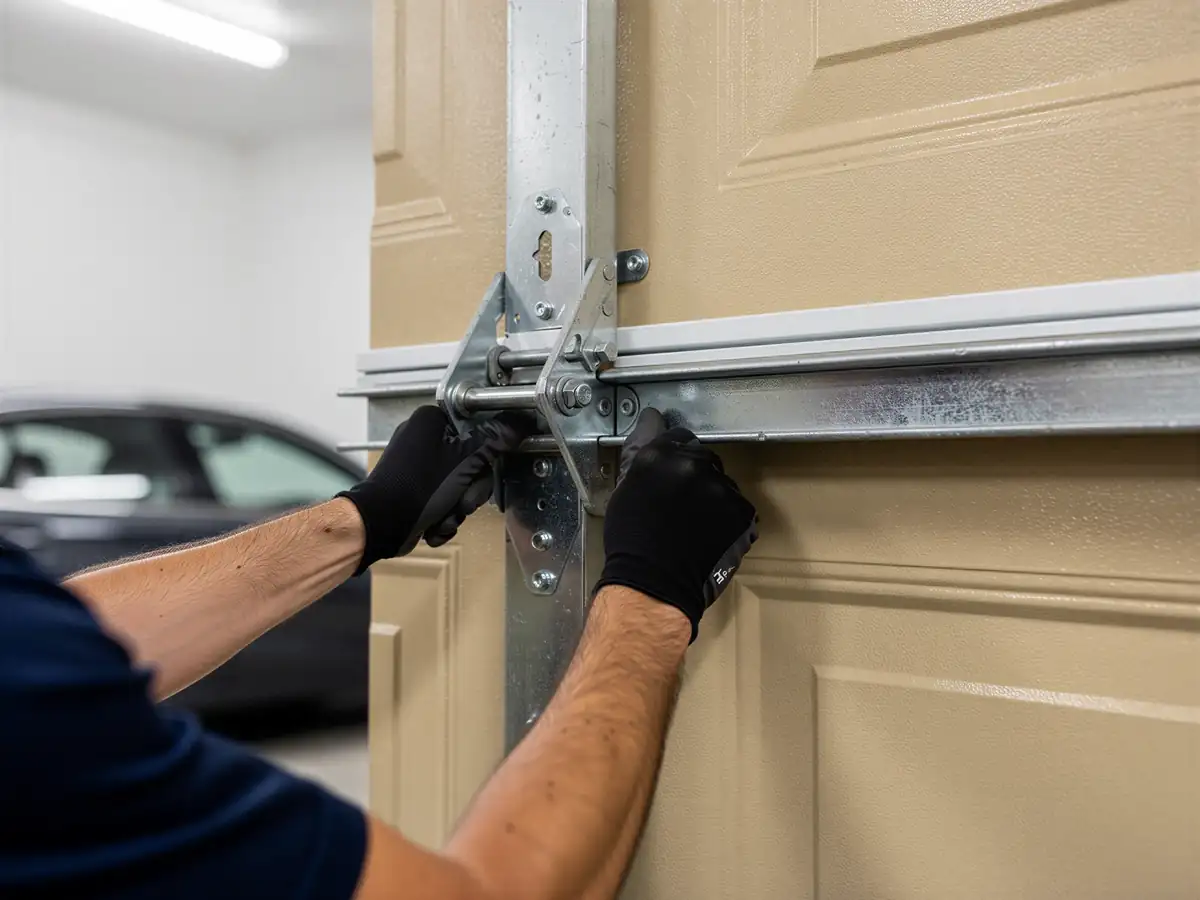
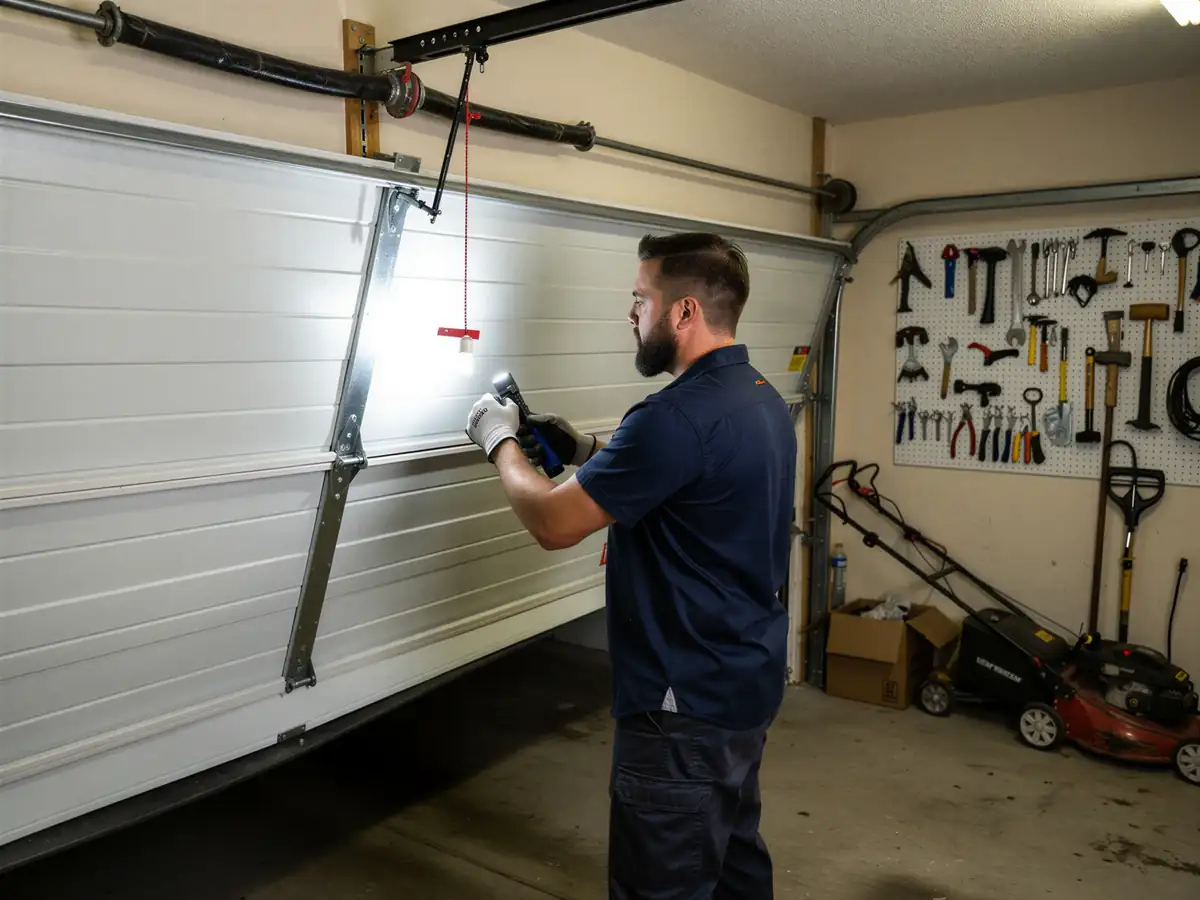
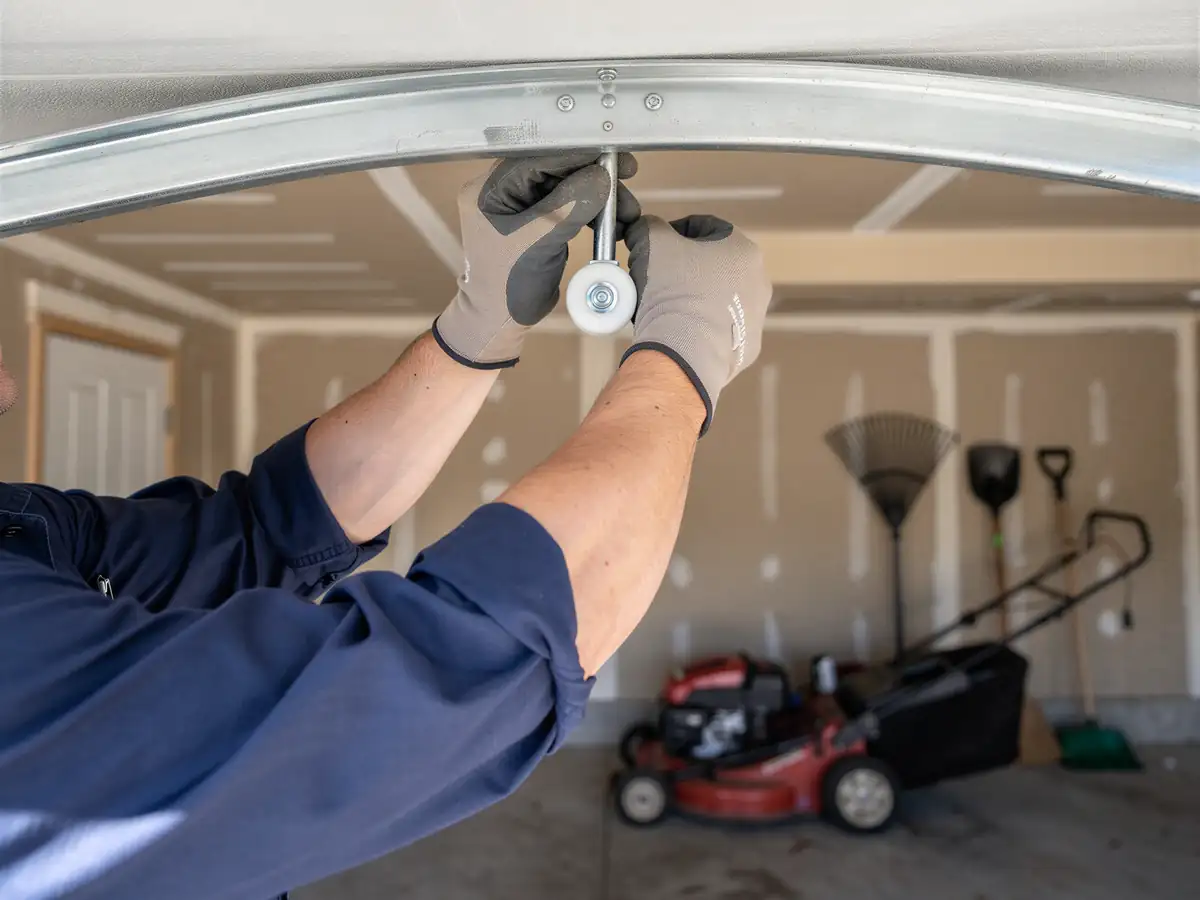
A roller swap on a door from that era usually means pulling steel rollers off a track that was never widened for nylon, then deciding whether the stem length and track gauge still match current stock or need an adapter. We replace worn rollers with sealed-bearing nylon units where the track allows it - quieter, and they don't need grease. If the track itself is pitted or bent from decades of steel rollers riding in it, that gets straightened or swapped at the same time, because a new roller in a bad track just wears out again in a year.
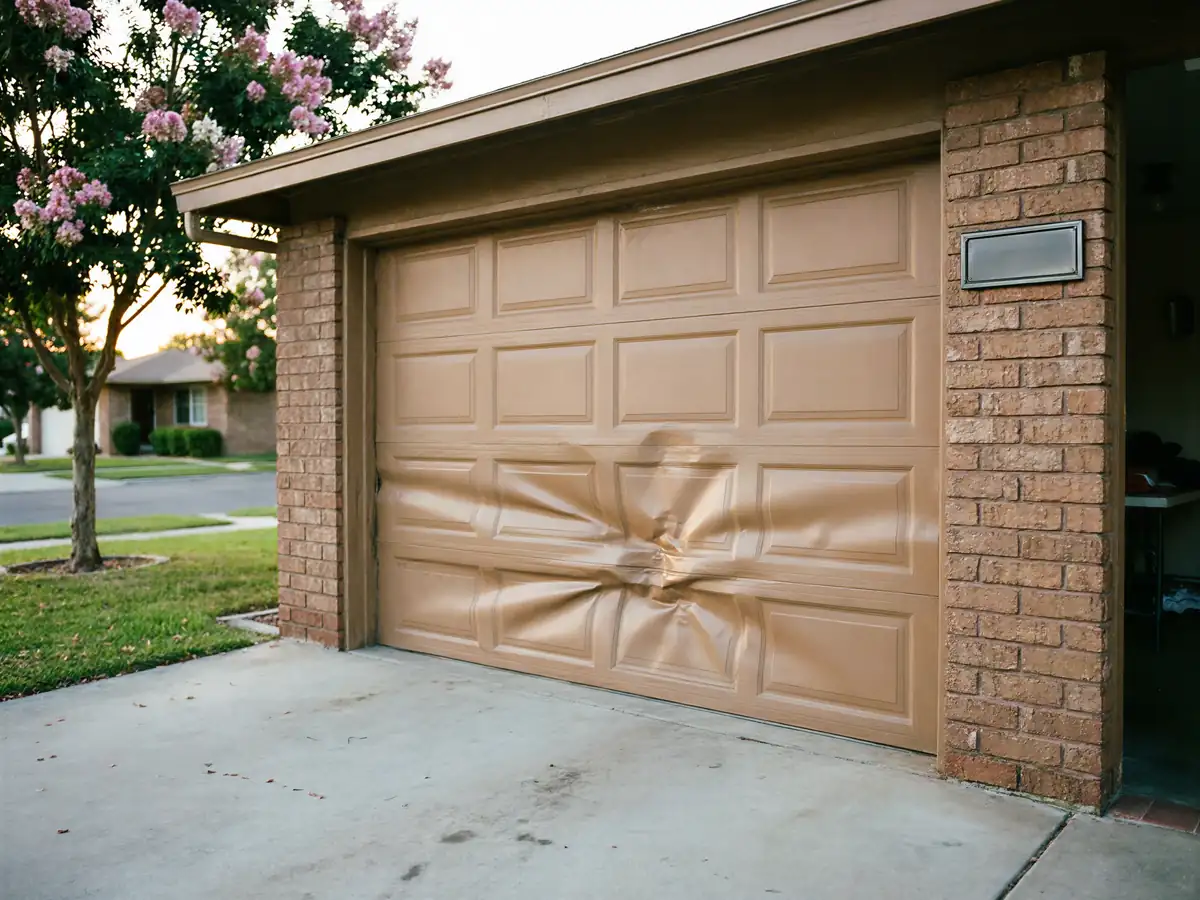
We don't repaint or refinish the door panel as part of this job. If the roller failure has already chewed up the panel edge where it rides the track, that's a separate conversation about panel repair, not roller replacement.
Where This Job Goes Sideways
The job gets harder when the rollers aren't the only thing original to a 1983-built door
On houses that age, we often find the roller stems have worn an oval groove into the track rail itself, not just flattened the roller. Swap the roller alone on a rail like that and the new one still binds within months.
The other complication is hardware mismatch
A door built in the early 1980s may have been serviced once or twice over the decades with whatever roller was on the truck at the time, so by the time we get there the four rollers on one door can be three different stem lengths. Matching new rollers to a mixed set means measuring each position rather than assuming a standard order quantity.
We'll flag it plainly if a track needs full replacement rather than straightening
Sometimes the rail is cheaper to replace than to keep shimming, and we'd rather tell a homeowner that upfront than bill for a fix that won't hold.
What Causes It Around Here
The region sits in a cold, moderate climate band, and that cycling of freeze and thaw is harder on the older roller stock Canyon has more of. Steel rollers with open bearings pick up grit, then seize partway and skip when the metal contracts in cold weather, which chips the roller edge and eventually cracks the wheel.
Because Canyon's housing leans older than the area median, more of these original steel rollers are still in service here than in the newer-built sections of the coverage area. A door built in 1998 has likely already had one roller replacement cycle by now; a door built in 1983 may be on its first, meaning the wear is further along and the rollers are more brittle when we get to them.
We don't see this as a workmanship issue with the original builders - steel rollers were standard for that era of construction. It's simply a matter of the parts having had forty years of winters instead of twenty-five.
How Long You Are Without the Door
Canyon is about 15 miles from Amarillo, so every roller job here is a dedicated trip out, not a stop folded into a route already running nearby. That doesn't change what the repair itself takes once a tech is on site - a full roller set on one door is a same-visit job in almost every case, with or without a track swap.
What it does mean is that parts matching takes a minute longer if the stem lengths are mixed, since we're measuring on site rather than guessing from a standard kit. If a track section needs full replacement instead of a straighten, that part isn't something we carry pre-cut on the truck for every rail gauge, so that piece of the job may need a short return trip rather than finishing in one visit.
We're straightforward about that limitation: a clean roller swap finishes in one visit, but a bent or pitted track on an older Canyon door sometimes doesn't.