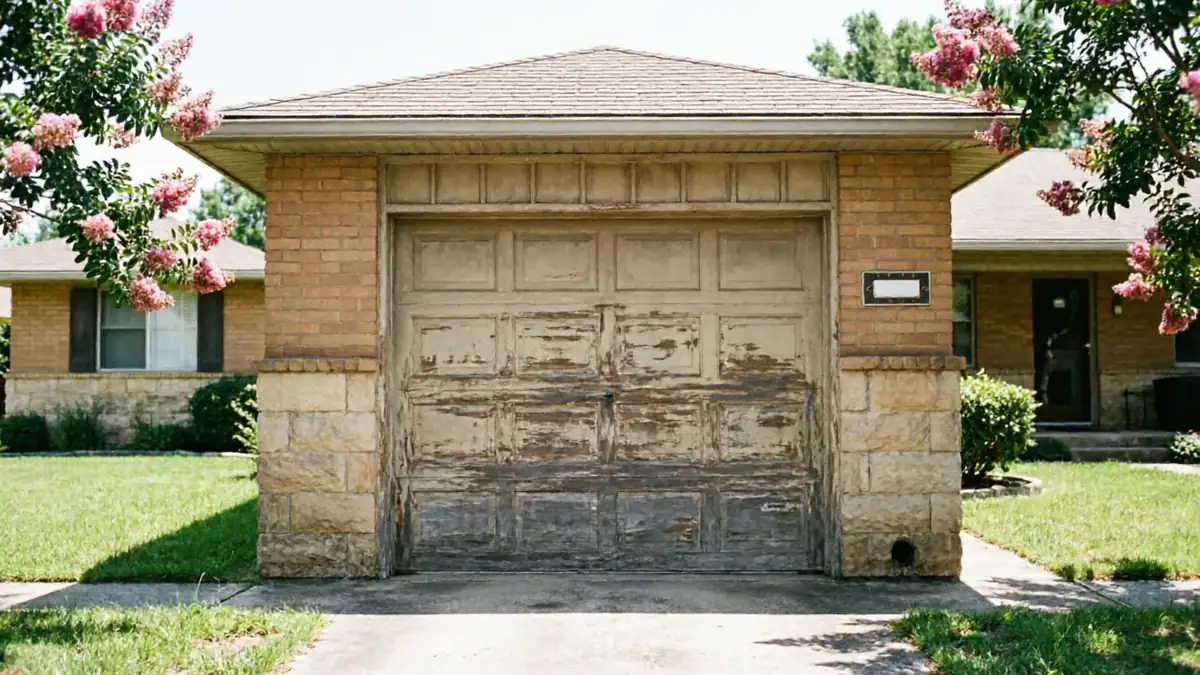
The Situation
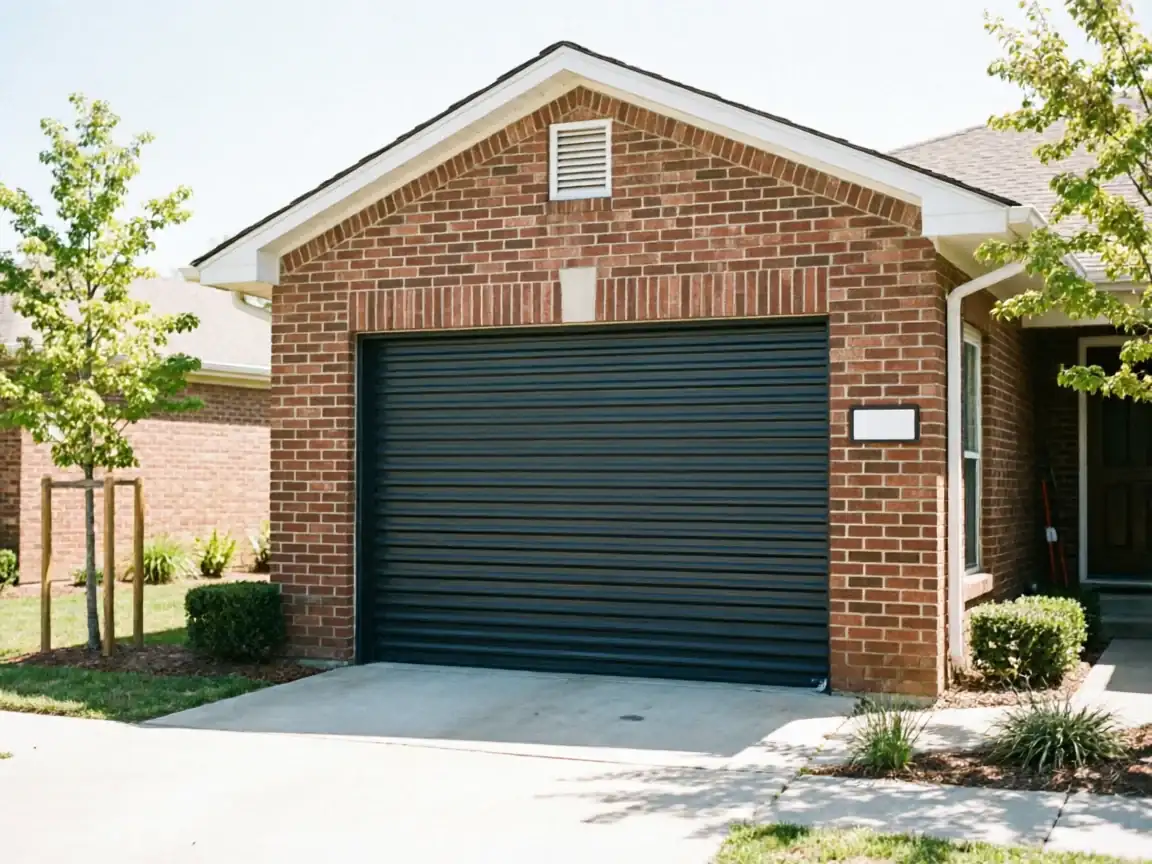
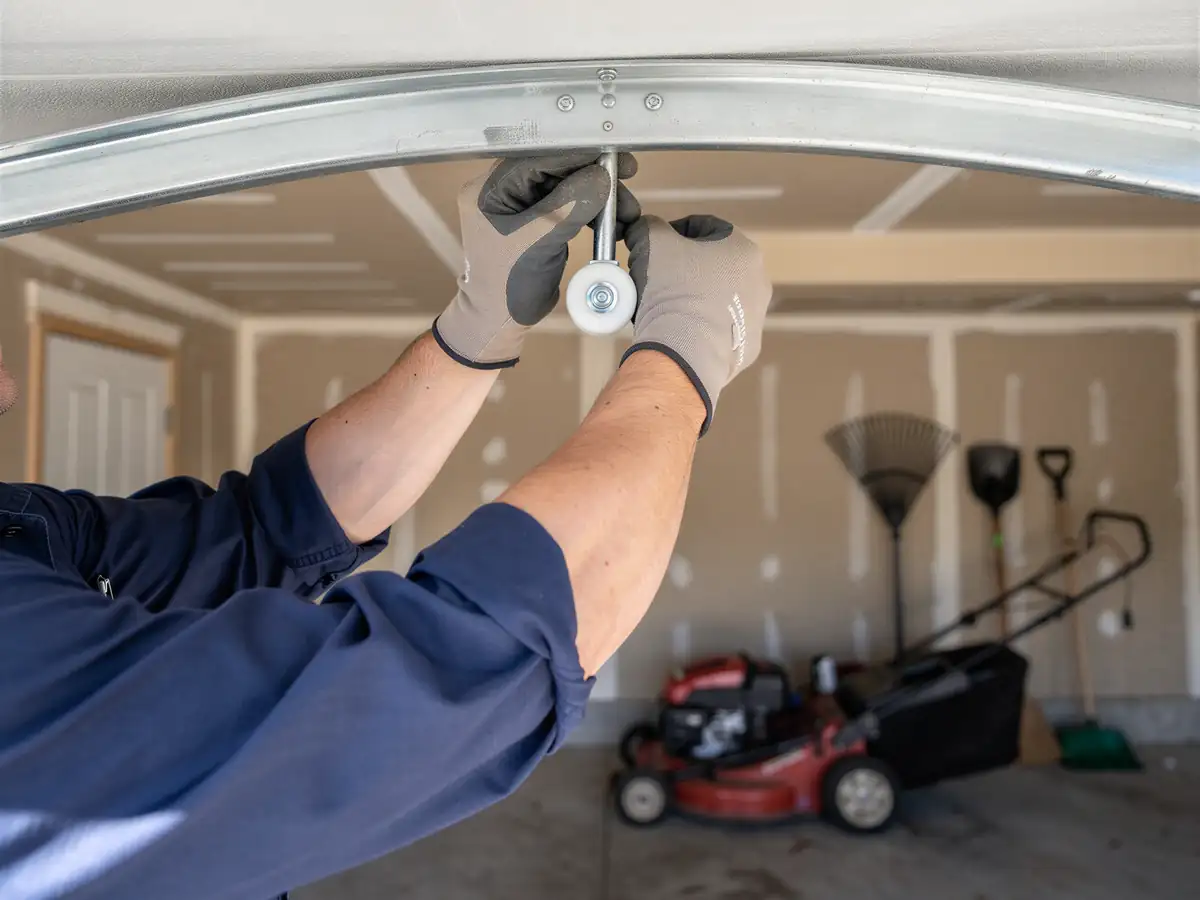
Most houses in the Amarillo Garage Door Co service area were built between 1983 and 2013, with the median landing around 1998. That means a big share of the doors we look at are somewhere between 10 and 40 years old, and a lot of them sit right at that 20-to-25-year mark where the original springs, rollers, and hinges are either near the end of their rated cycle life or already past it. We cover two main pockets of this stock - the 1980s builds and the 1990s-2000s builds - and the two age bands fail differently. The older group tends to have worn-out galvanized torsion springs and steel rollers that have gone loud. The newer group, built closer to 2010-2013, is more likely to have a working door with a tired opener or a bent track from a backed-into panel, not structural fatigue. Knowing which bracket a house falls into tells us a lot before we even open the garage.
When to Get Help
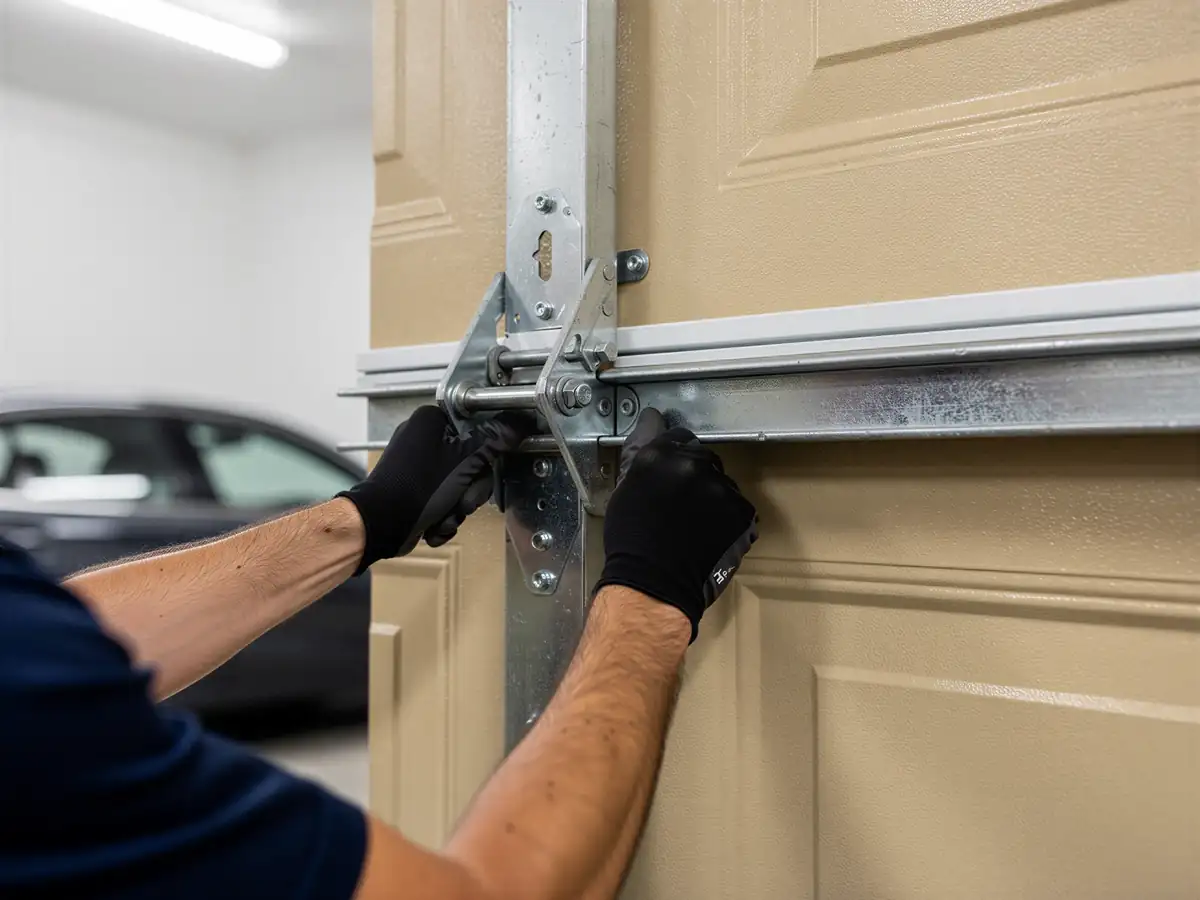
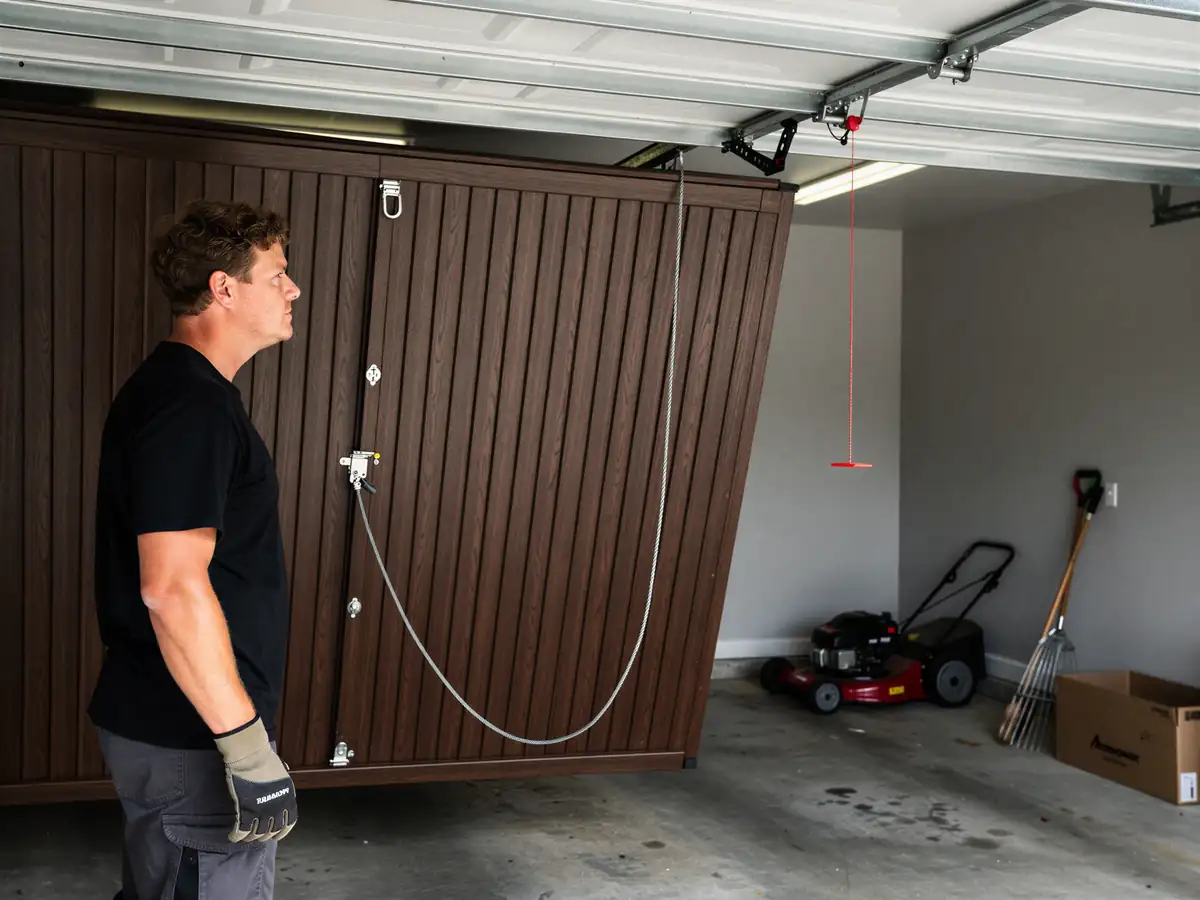
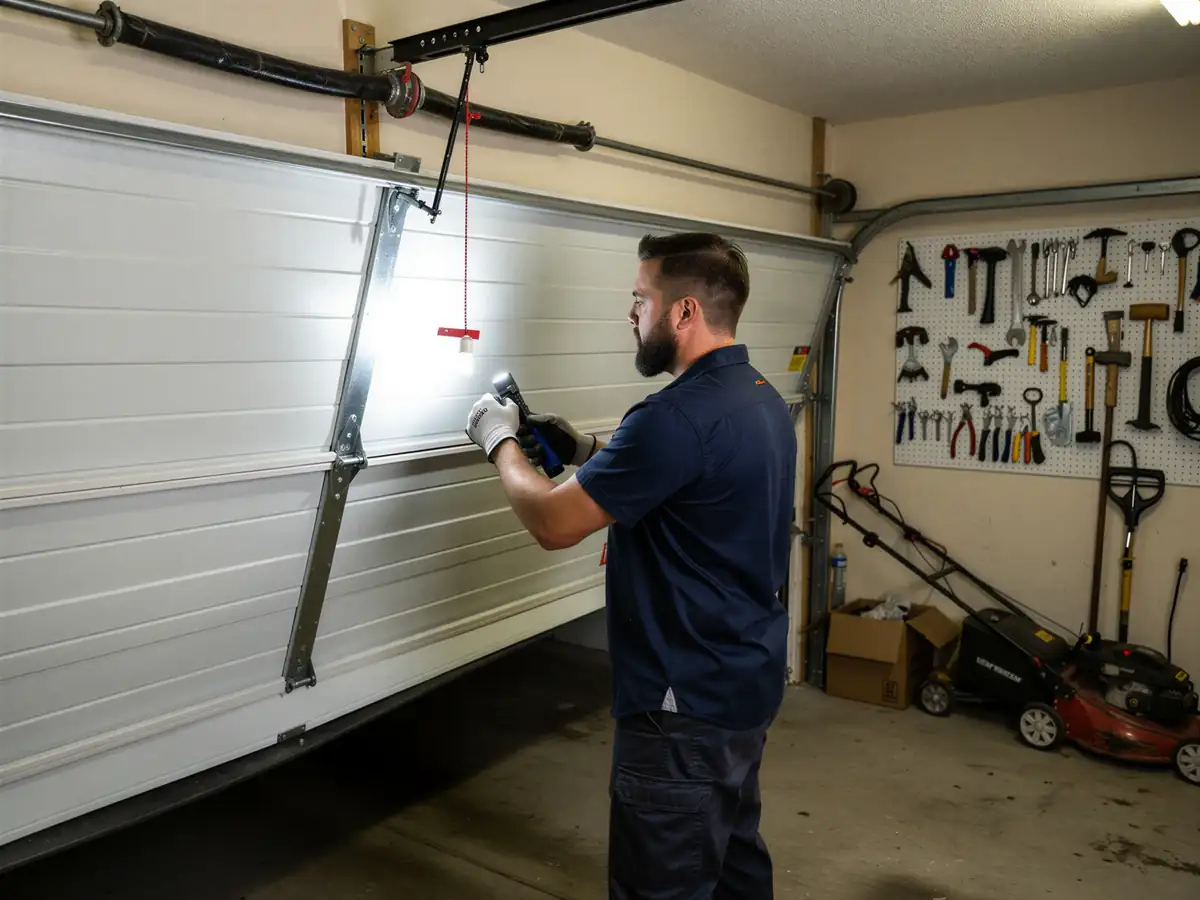
If your house is in the 1980s-90s bracket and the door is original, a spring failure or a cable that's starting to fray is worth a call before it strands the door down or, worse, lets a panel drop. If you're in the newer end of the 1998-2013 range, a noisy opener motor or a track that's slightly out of alignment is usually an adjustment, not a replacement. We serve the Amarillo area along with Bushland, about 13 miles out, and Canyon, about 15 miles out, and the same age-based logic applies in both - older stock means older hardware, regardless of which side of town the house sits on. Don't wait for a spring to snap completely; a door that's sagging unevenly on one side when you lift it manually is already telling you which spring is going.
What Most People Get Wrong
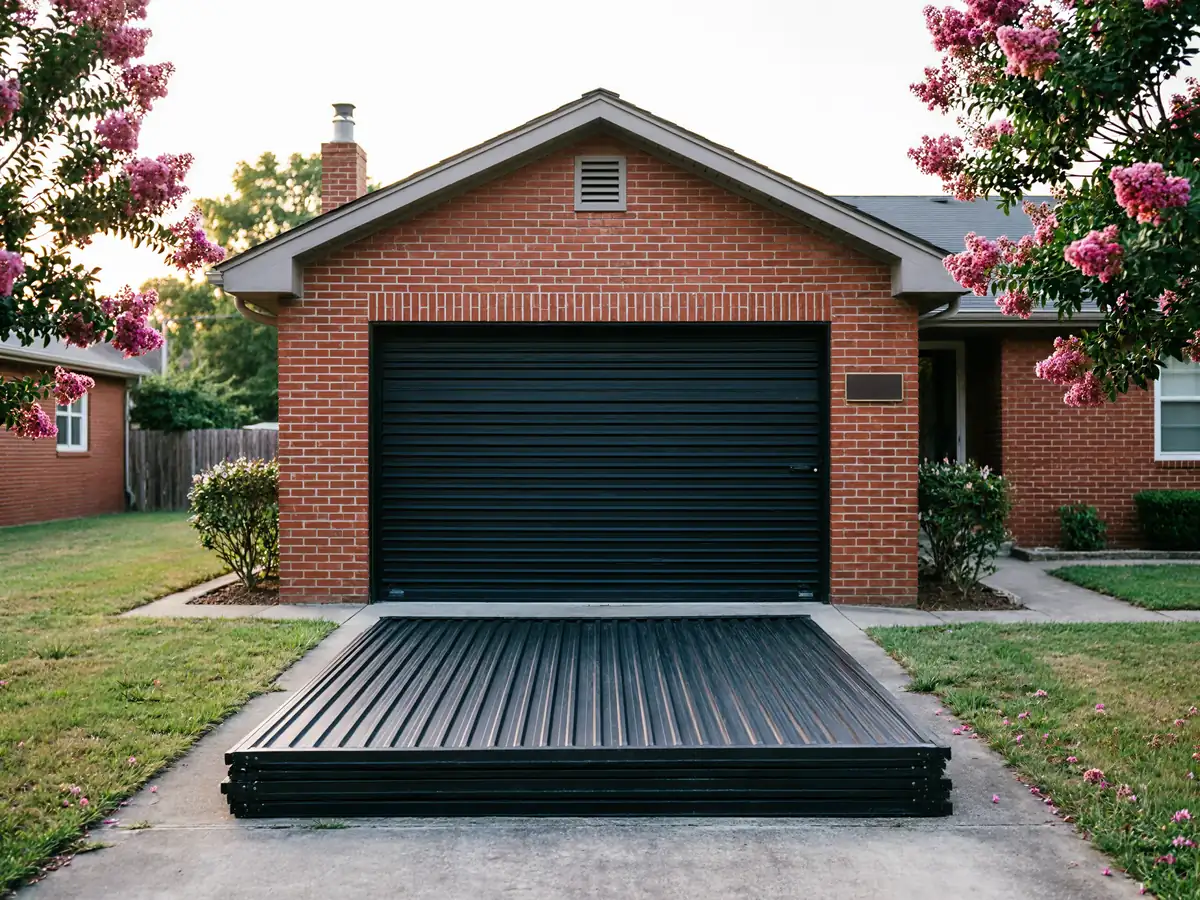
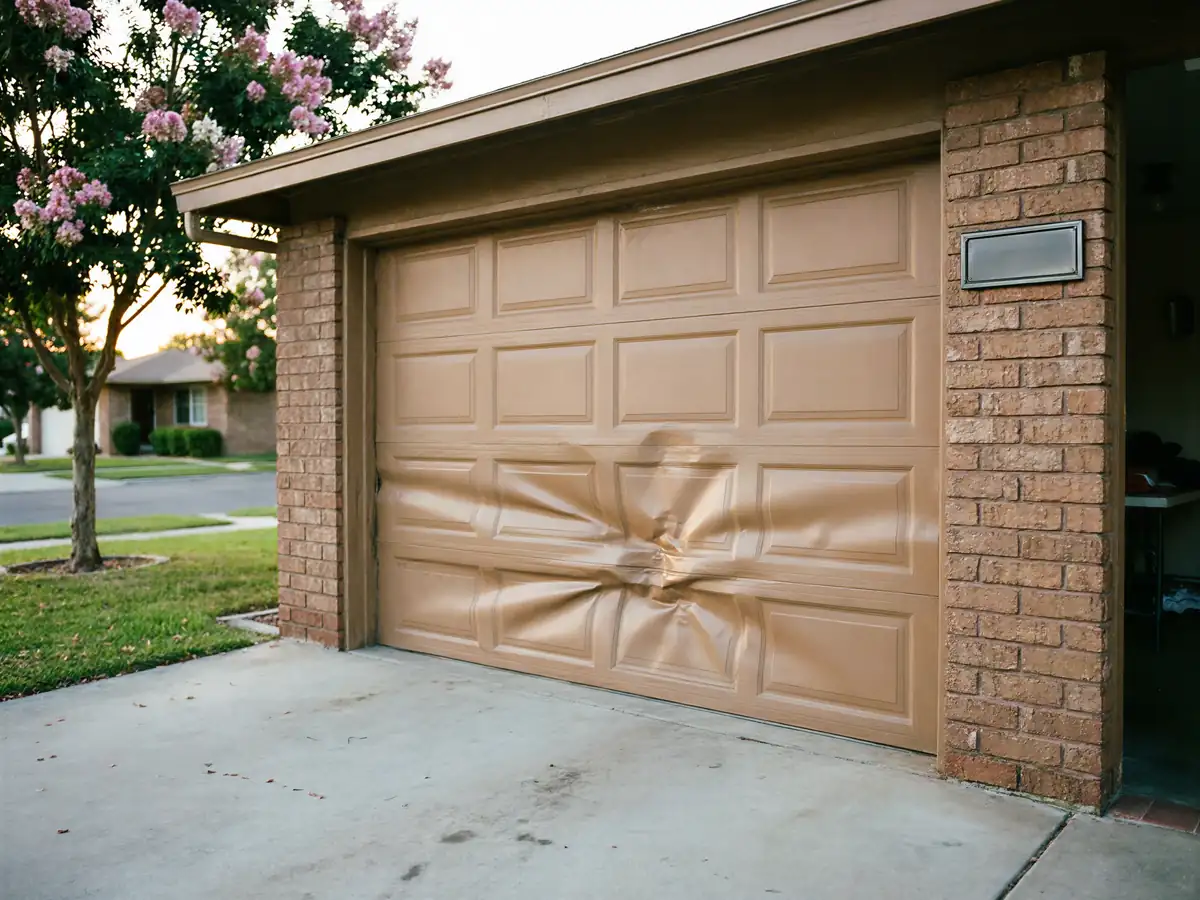
The most common mistake we see is treating every older door the same way - either fixing everything on a 1980s door that's genuinely done, or replacing a perfectly sound 2005-built door because one spring broke. Given that median household income here runs around $107,286, a lot of homeowners can afford to replace, and sometimes that's the right call: a 35-year-old steel door with rusted track and a warped bottom panel usually costs more to patch piece by piece than to swap out. But a 15-year-old door with one broken spring and otherwise solid panels is almost always a repair, not a replacement. Here's the limitation we're upfront about: we don't try to source obsolete parts for doors old enough that the manufacturer has stopped making them. At that point we'll tell you straight that a new door is the better use of your money.