The Cost of This Job
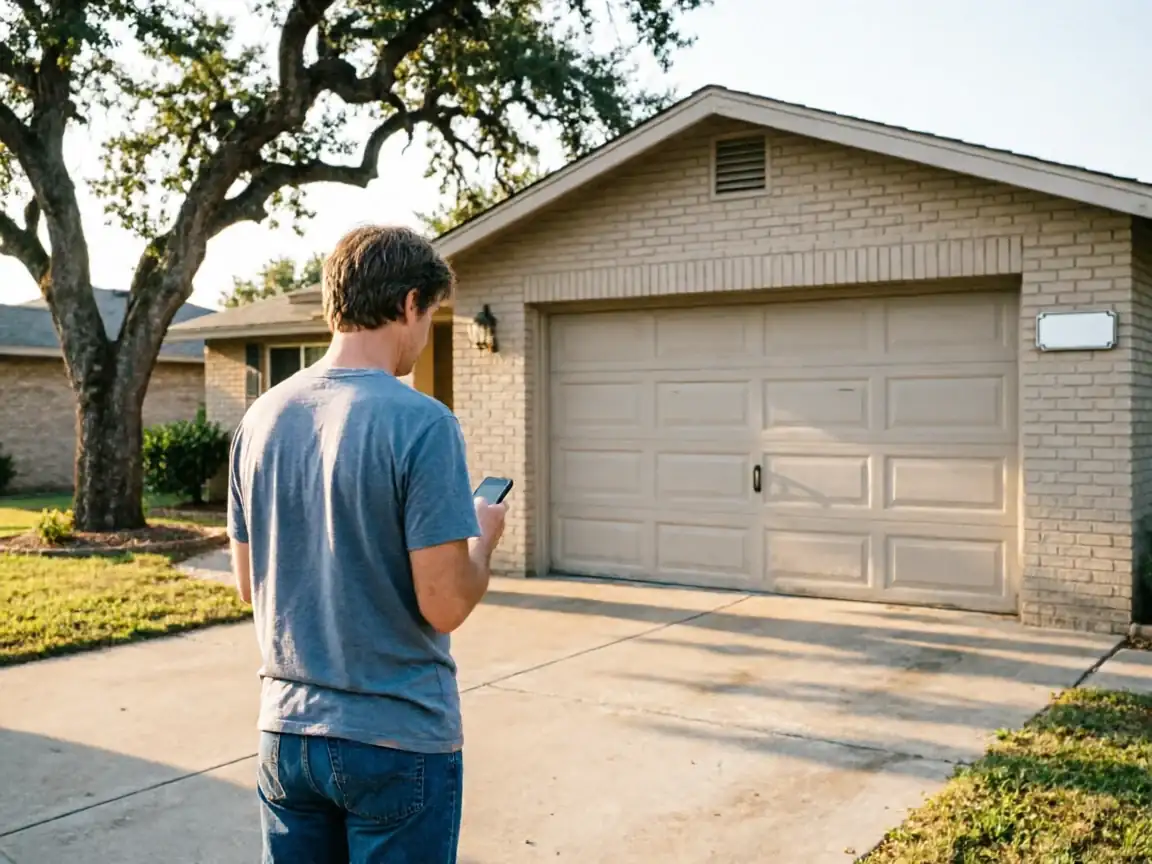
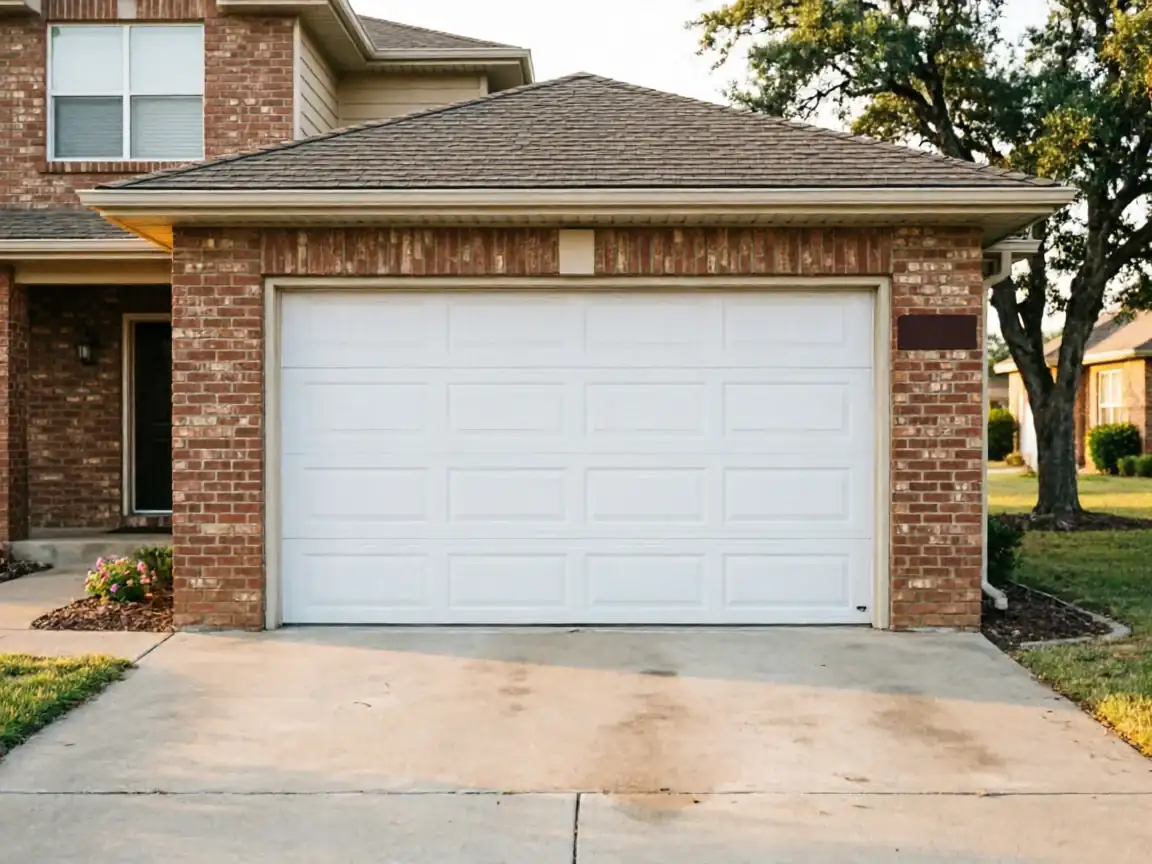
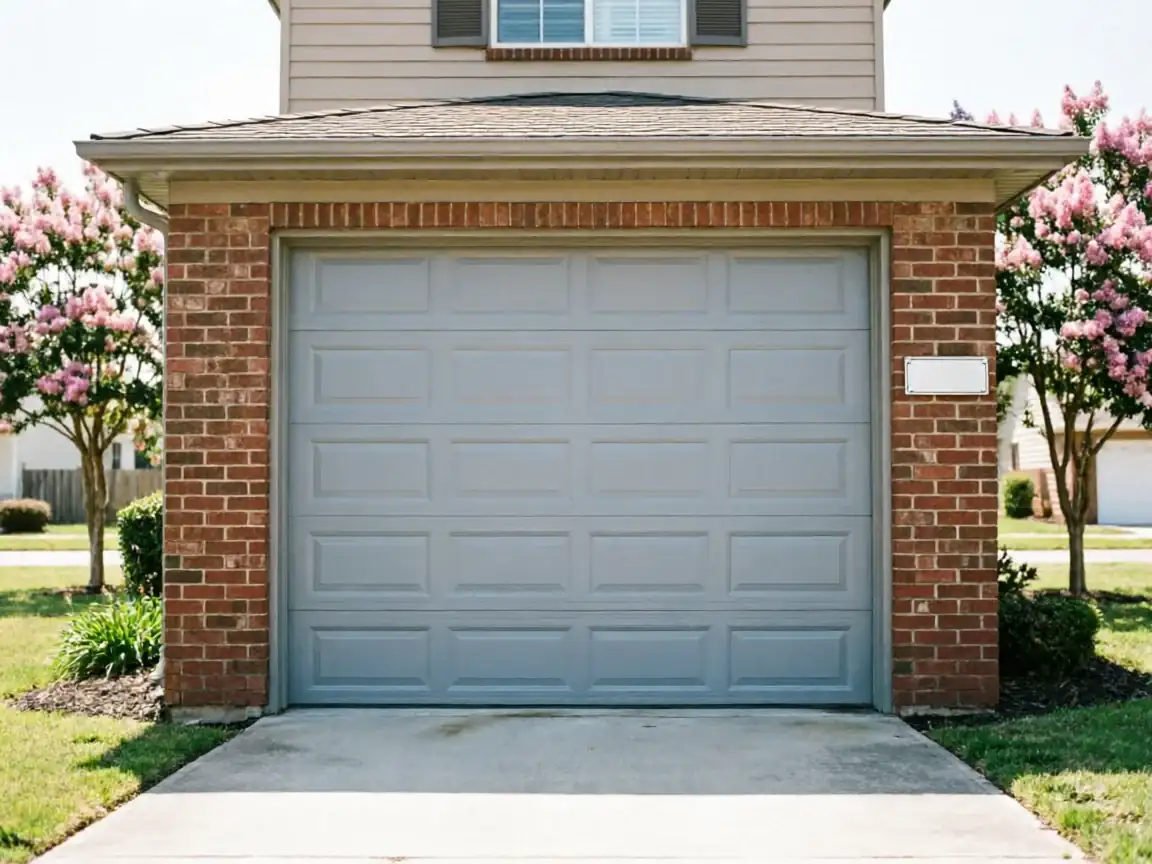
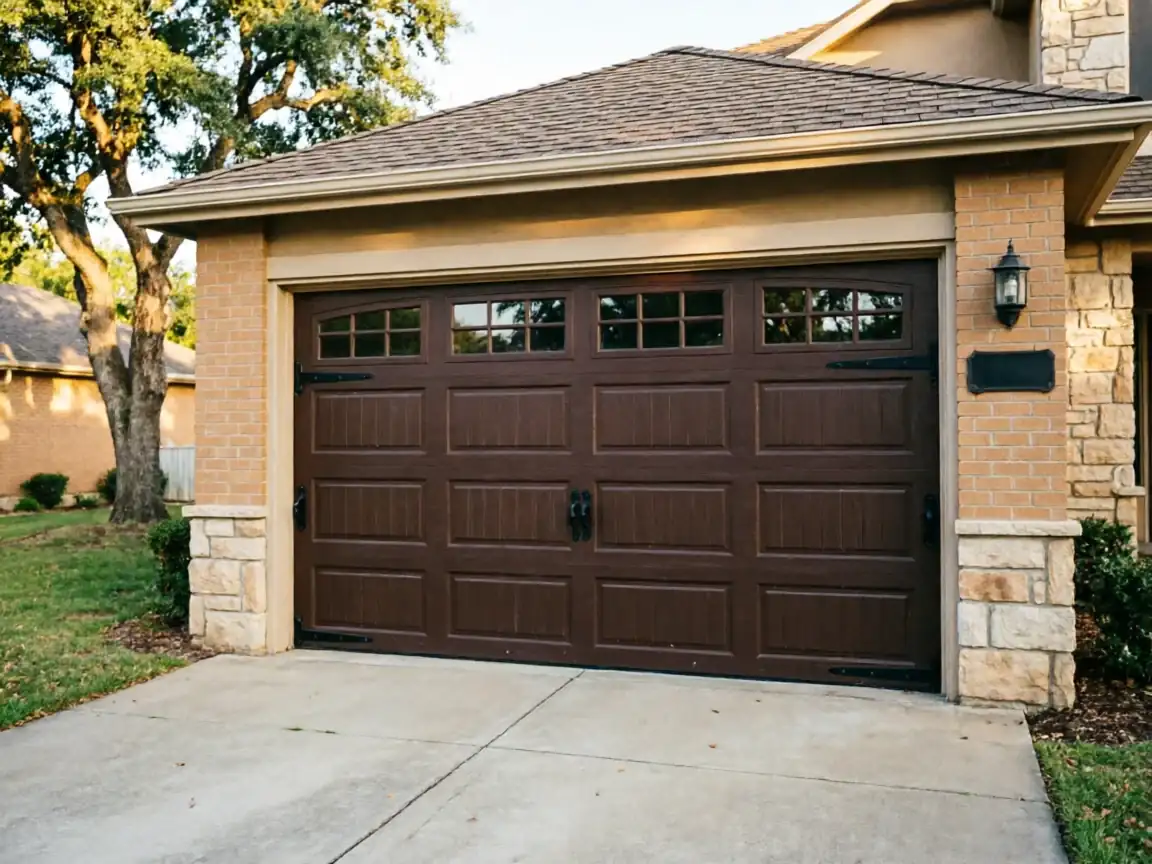
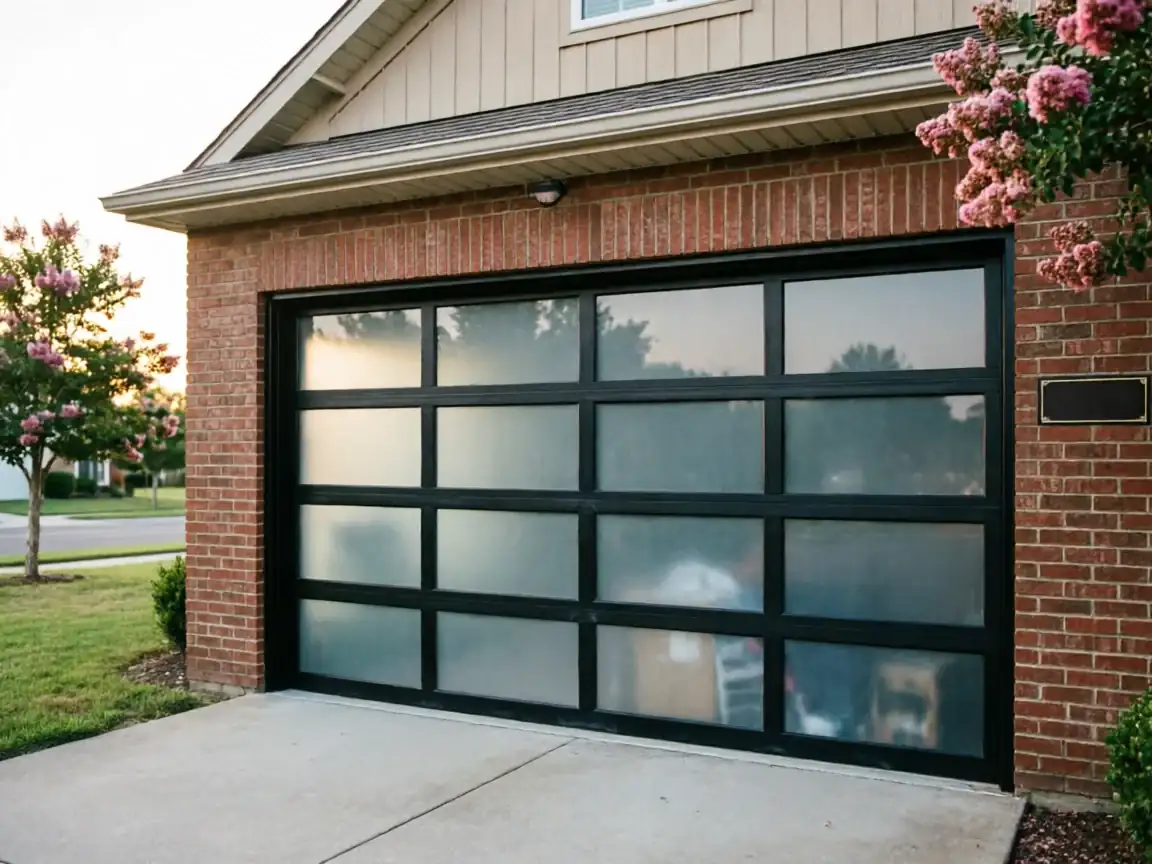
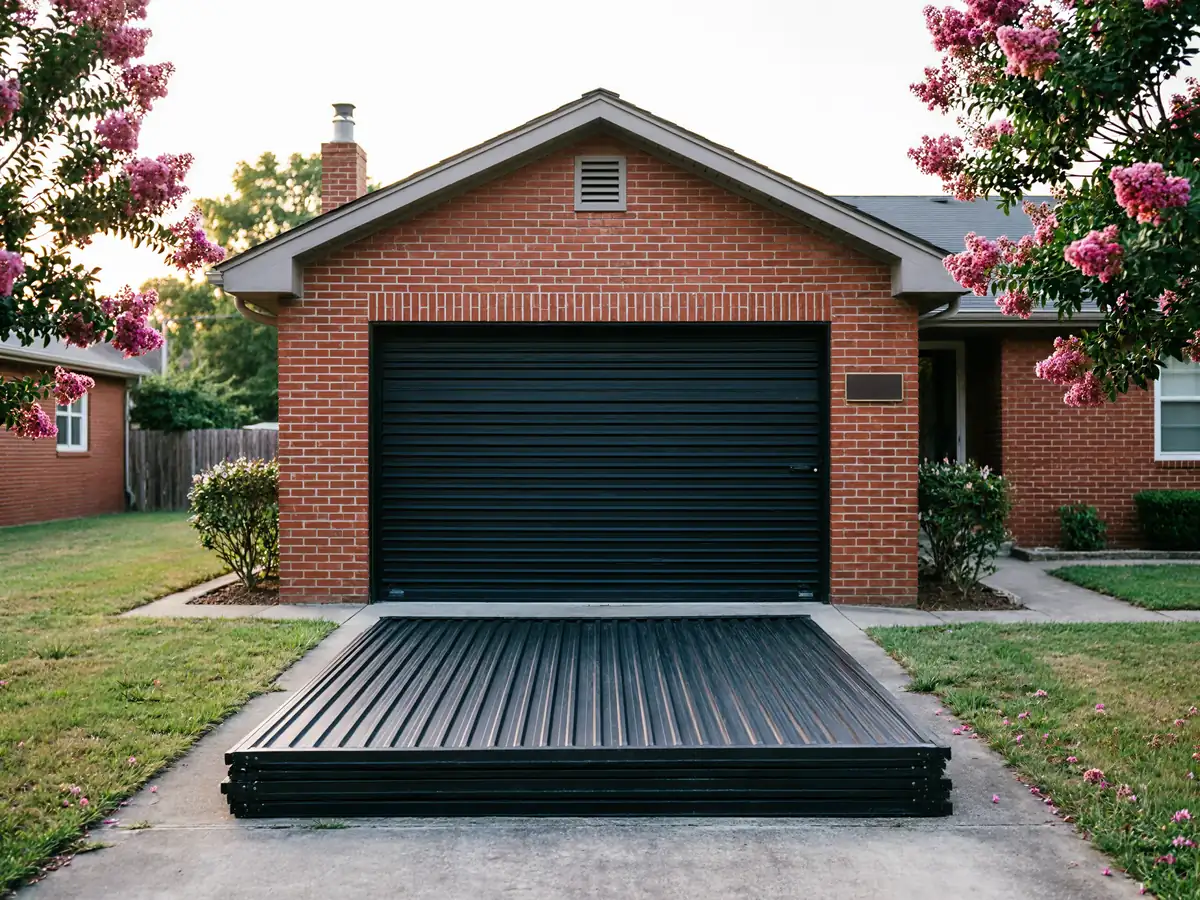
We can't post a flat number here because panel work swings a lot depending on what's actually wrong. A single dented steel panel on a door that's otherwise sound is a different job than matching a discontinued panel profile on a door built in the 1990s, when a lot of manufacturers used sizing and seam patterns that aren't on shelves anymore. If your door is part of a run built between 1983 and 2013 - which covers most of the housing stock across this service area - the panel might still be available from the original line, or it might not, and that changes the job from a swap to a full door replacement. We'll look at the door in person, check what's behind the dent (insulation, backing, hardware condition), and give you a real number before we touch anything. One honest note: if more than one panel needs replacing on an older door, we'll usually tell you a new door costs about the same and holds up better than a patchwork of old and new sections.
What You Are Seeing
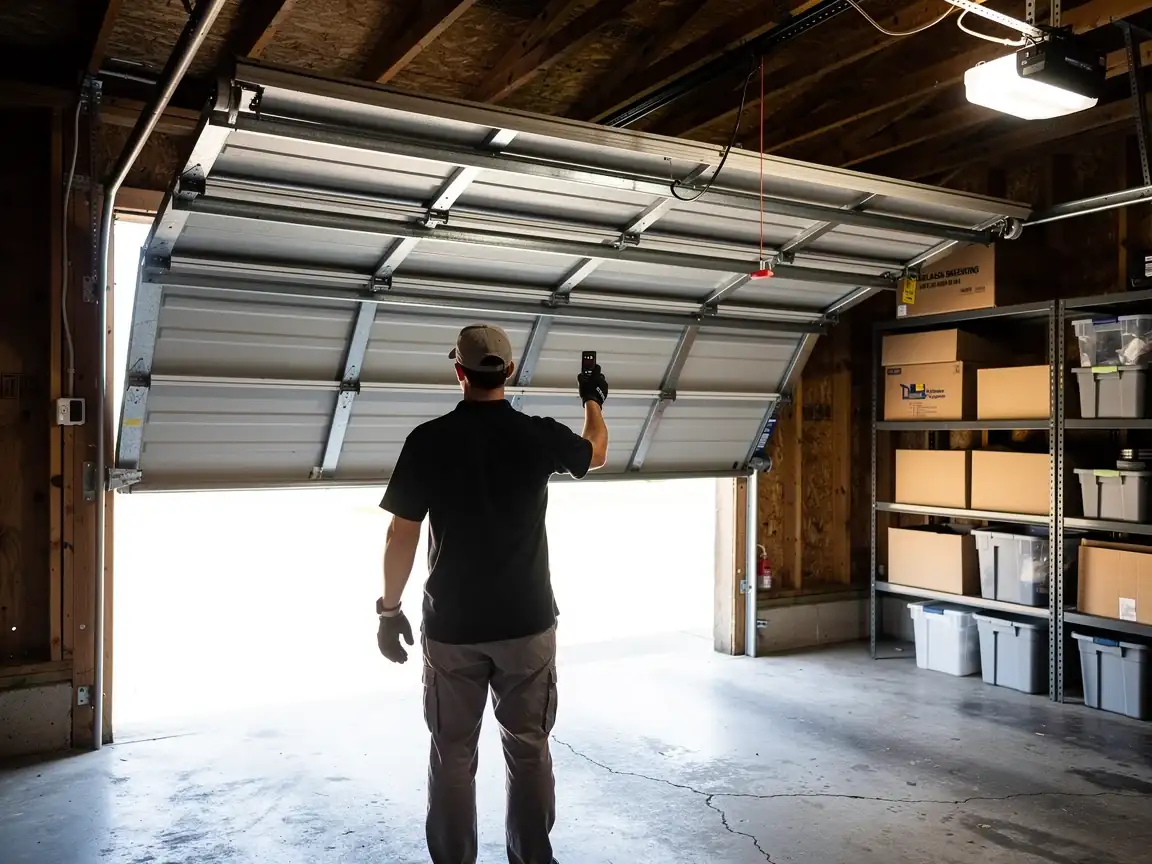
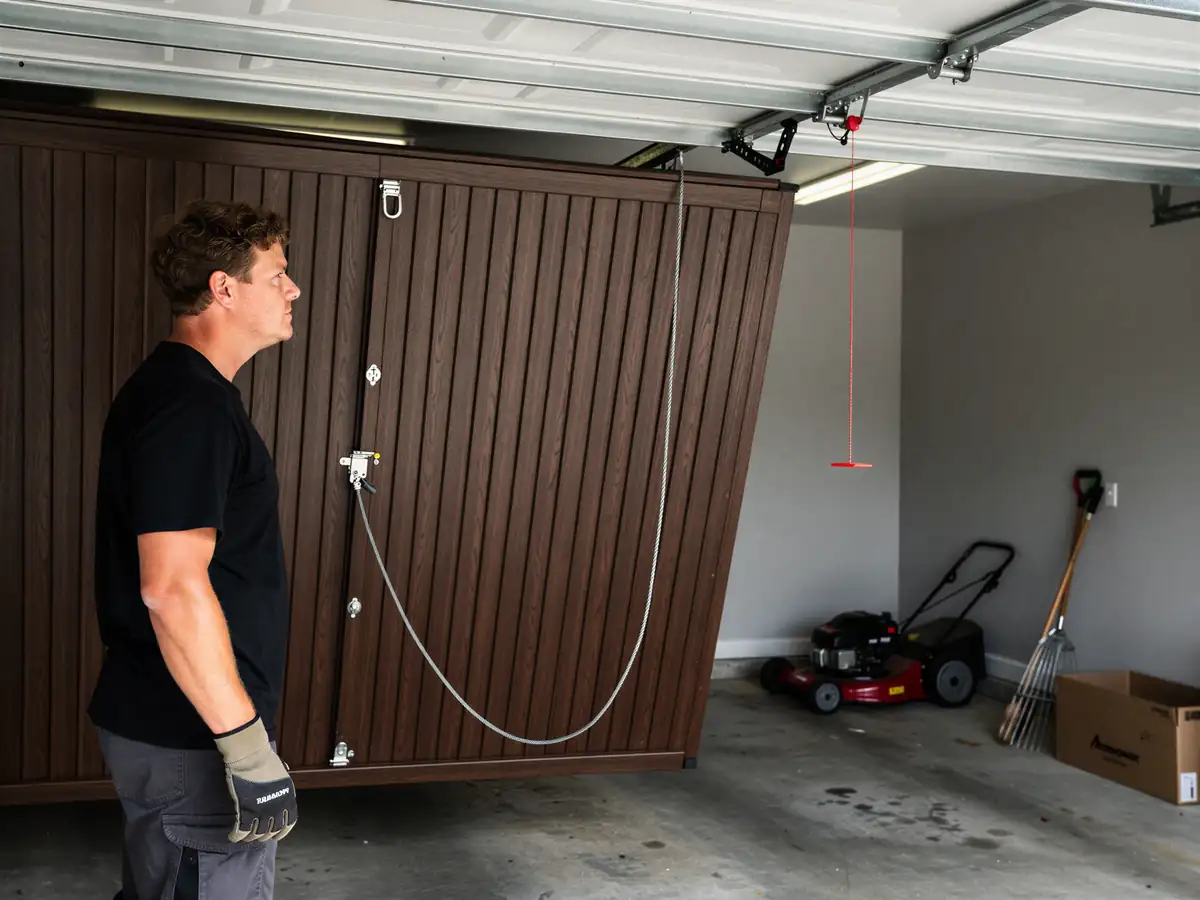
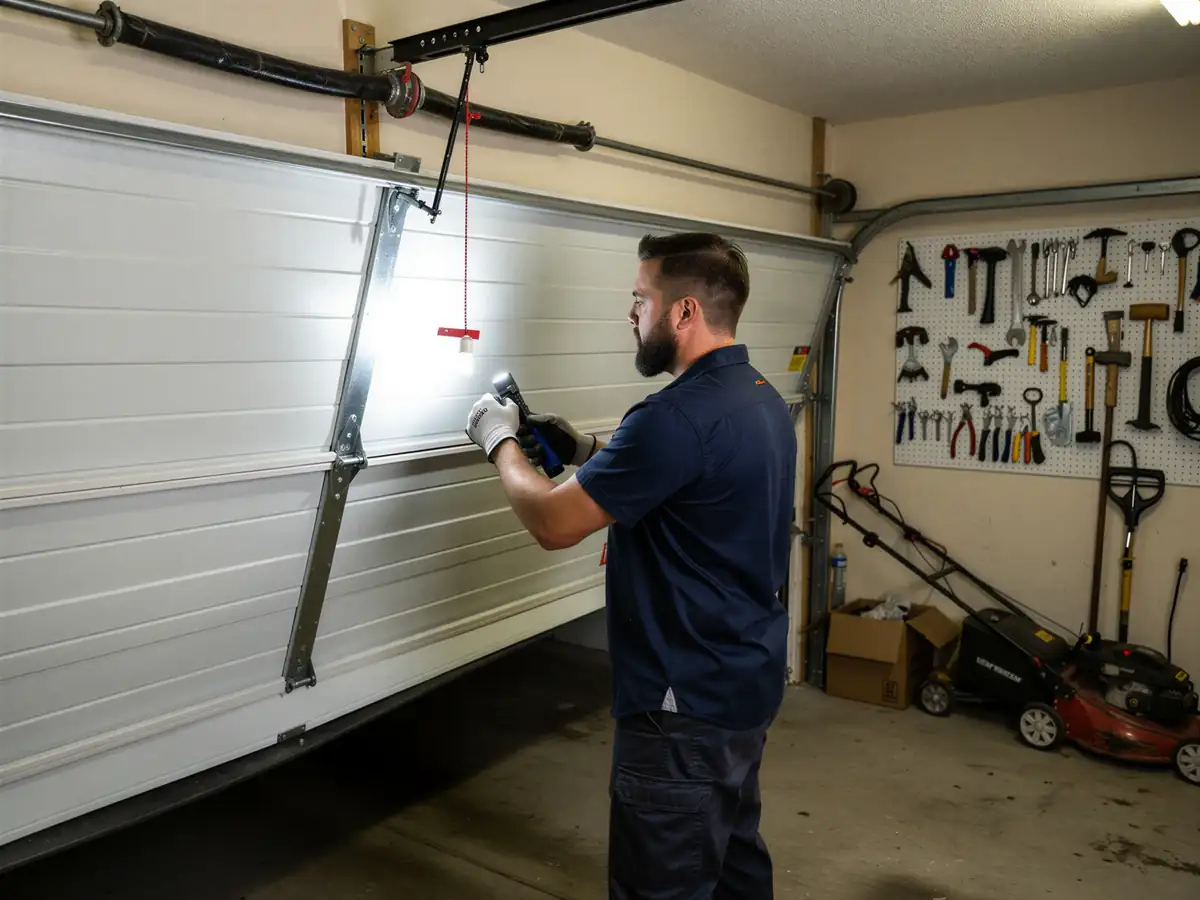
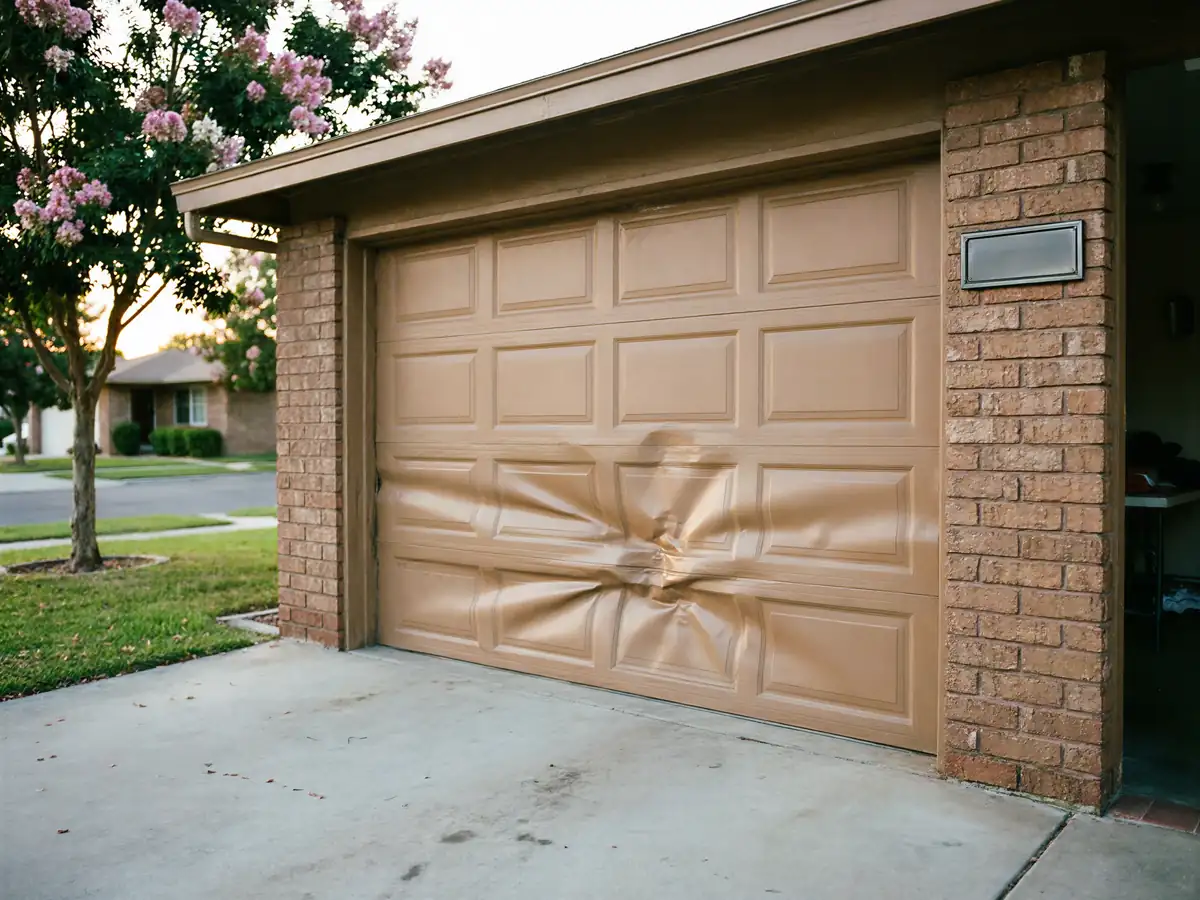
A bent or buckled bottom panel is usually impact - a car bumper, a trailer hitch, a kid's bike. A panel that's bowed outward in the middle without a clear hit is more often age: the panel's internal bracing has let go and it's flexing every time the door cycles. Rust lines along the bottom edge or around seams point to moisture sitting in a panel that's lost its coating, which is common on doors from the 1980s-90s era once the factory finish wears through. If you see daylight through a seam that used to be tight, or the panel flexes when you press on it by hand, the structural layer underneath is compromised, not just the paint. None of these are urgent safety issues on their own, but a panel that's lost its shape can bind against the track or throw off the balance enough to stress the opener and springs, which turns a panel job into a bigger one if it sits too long.
Can You Do This Yourself
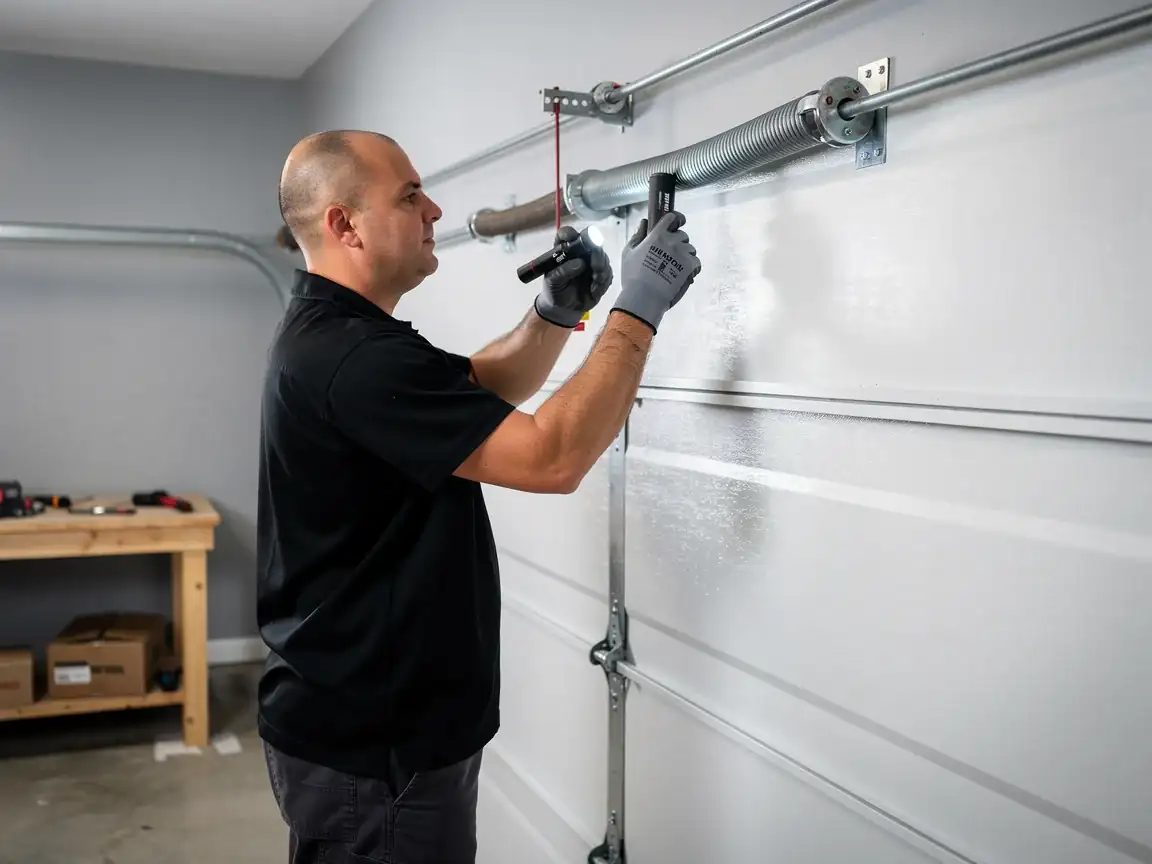
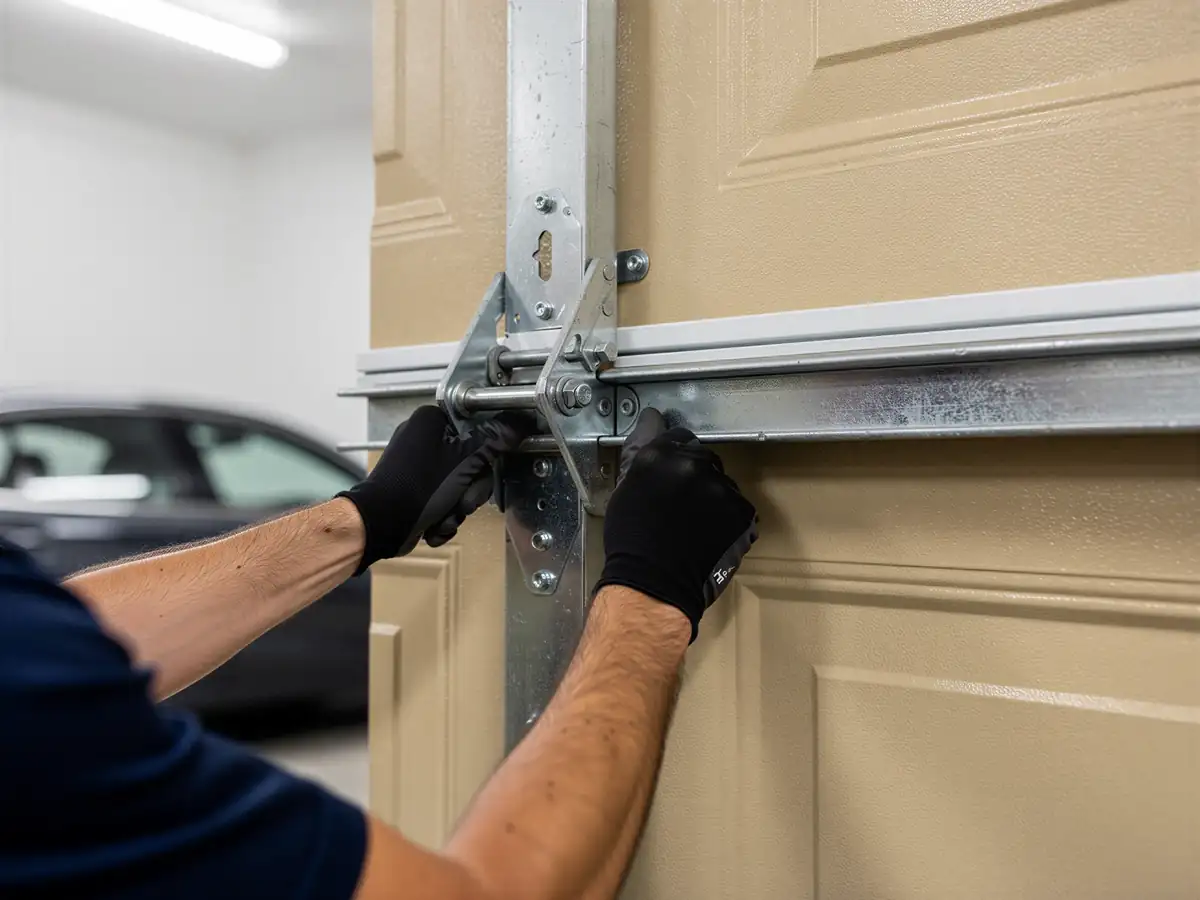
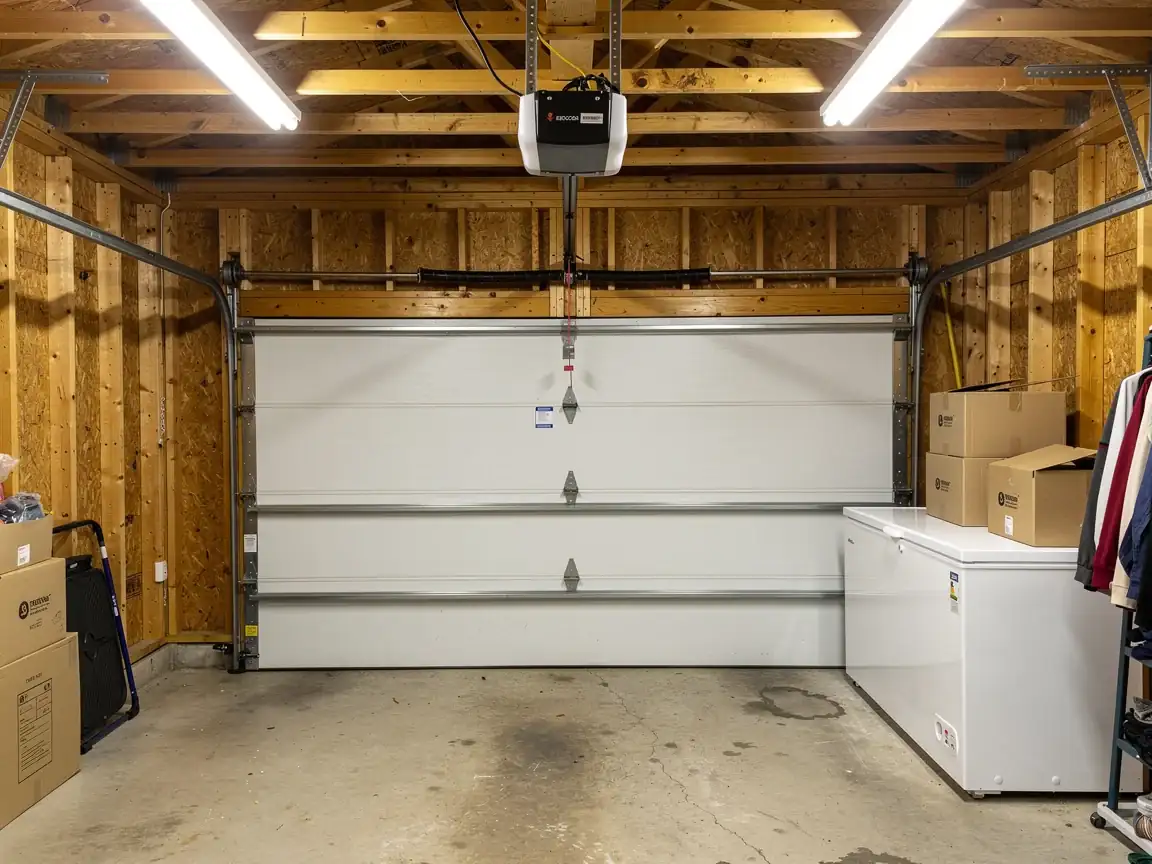
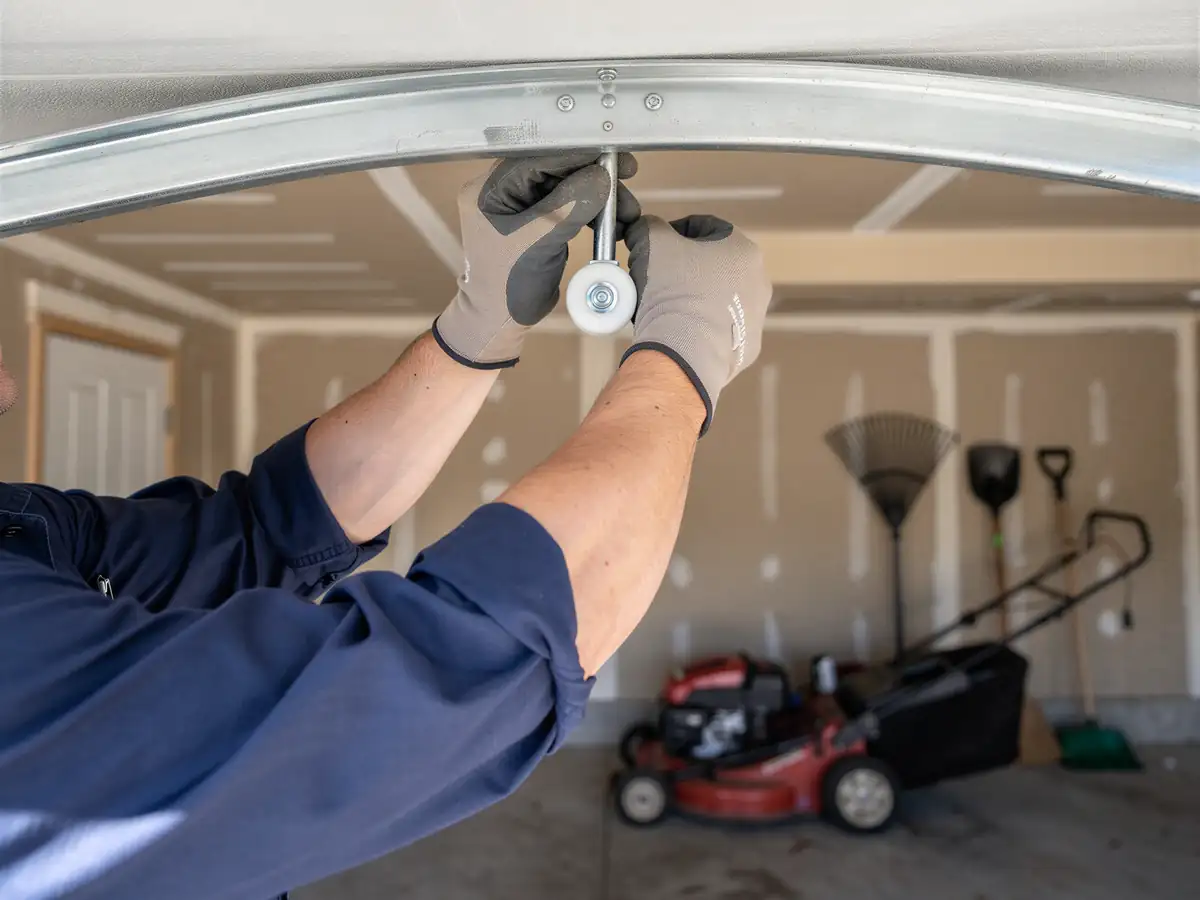
If it's a single bolt-on panel on a sectional door and you can source an exact match, swapping it yourself is doable with basic tools and some patience - it's mostly unbolting hinges and rollers off the old section and transferring them to the new one. Where people get stuck is sourcing: doors built in the 1983-2013 window often used panel profiles that are hard to match without the original model and series number, and guessing wrong means a panel that doesn't sit flush or seal right. We don't recommend tackling a top panel near the torsion spring assembly yourself - that's the one place where a mistake turns into a trip to the ER, not just a return trip to the hardware store. If you're not sure whether what you're looking at is a simple swap or a sign the whole door needs replacing, that's worth a second set of eyes before you order parts.