The Situation
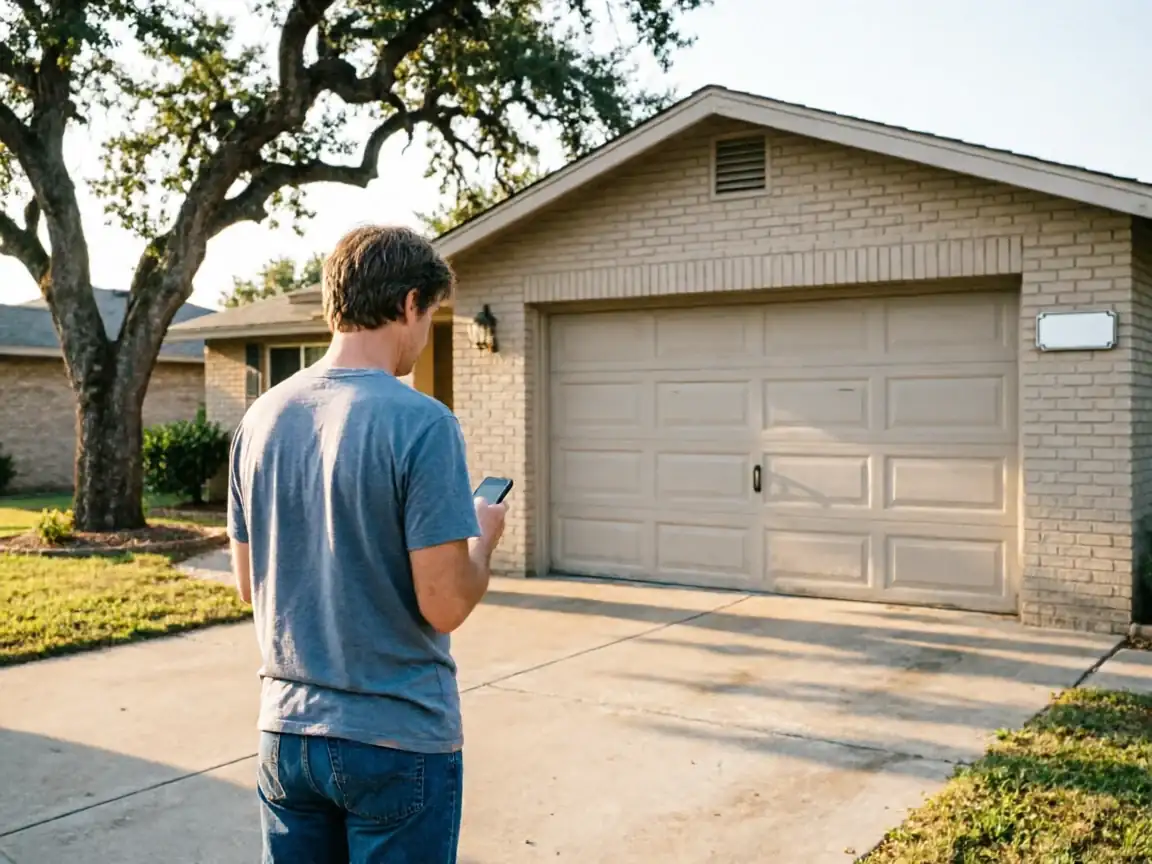
Most of the houses we work on in Amarillo went up between 1983 and 2013, with the median build year sitting around 1998. That matters for openers more than people think. An opener installed when a house like that went up is closer to 25-40 years old by now if it's never been swapped, and even a 1998-era replacement predates battery backup becoming a standard feature on most residential units. Across the area's 6,332 households, 2,974 are owner-occupied houses, and a lot of those openers are original equipment or a first replacement, not a second or third. Amarillo's housing stock also came up in two main waves of 1980s and 90s-era construction, so a lot of neighborhoods share the same opener age profile - which means when one unit fails in a cold snap, the one next door is often not far behind it. None of that is a problem until the power drops and you need the door to move anyway.
When to Get Help
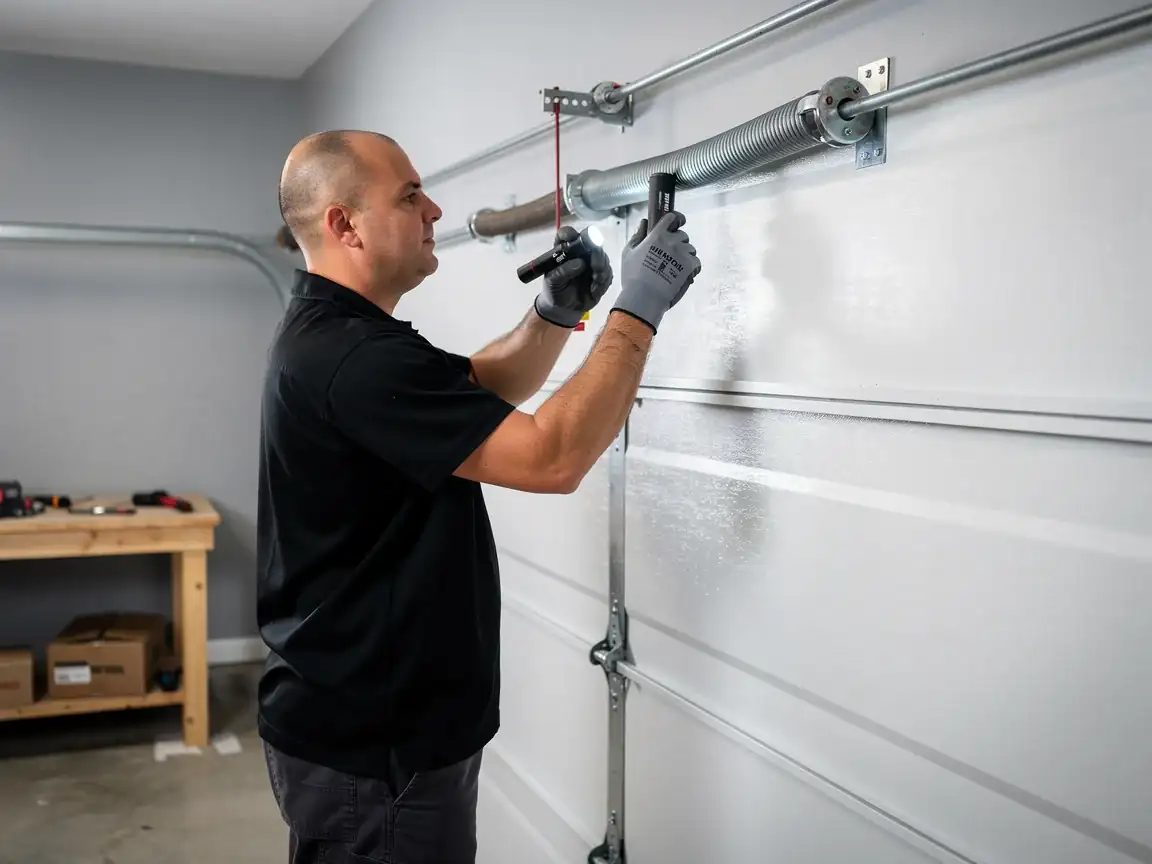
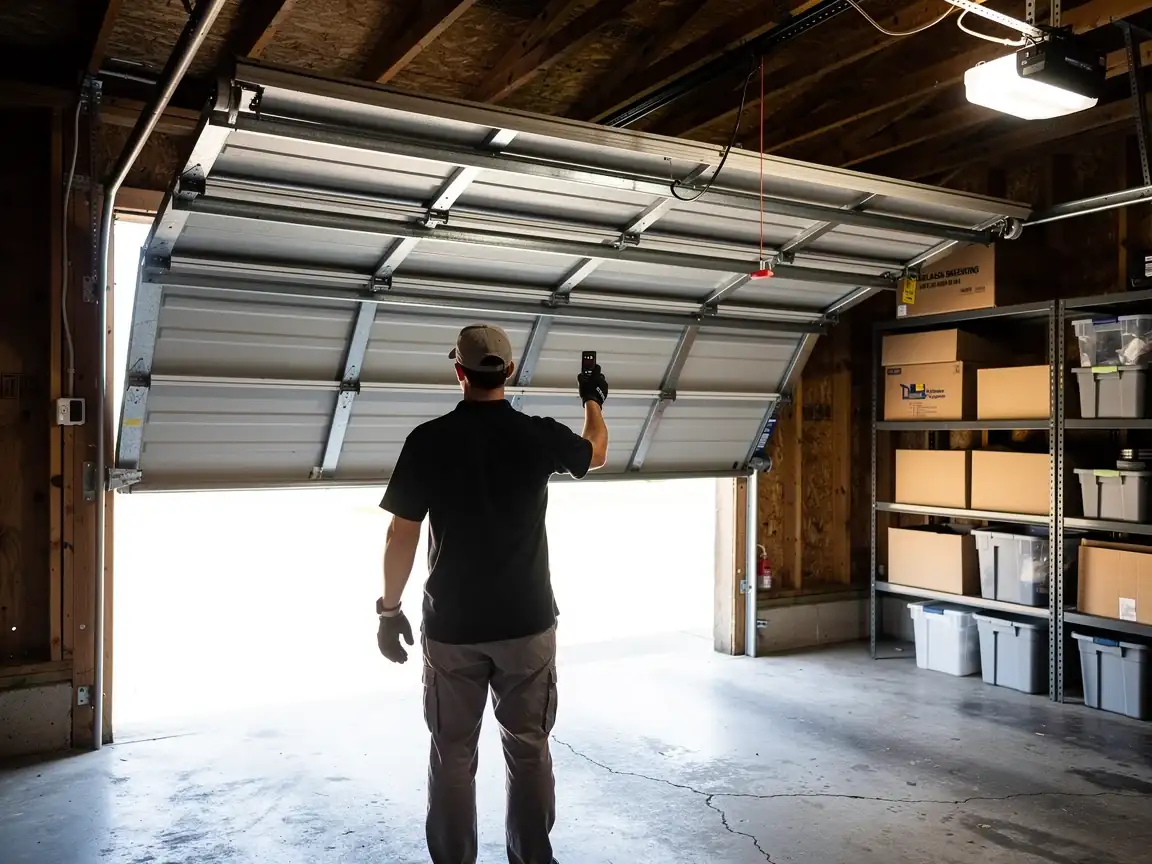
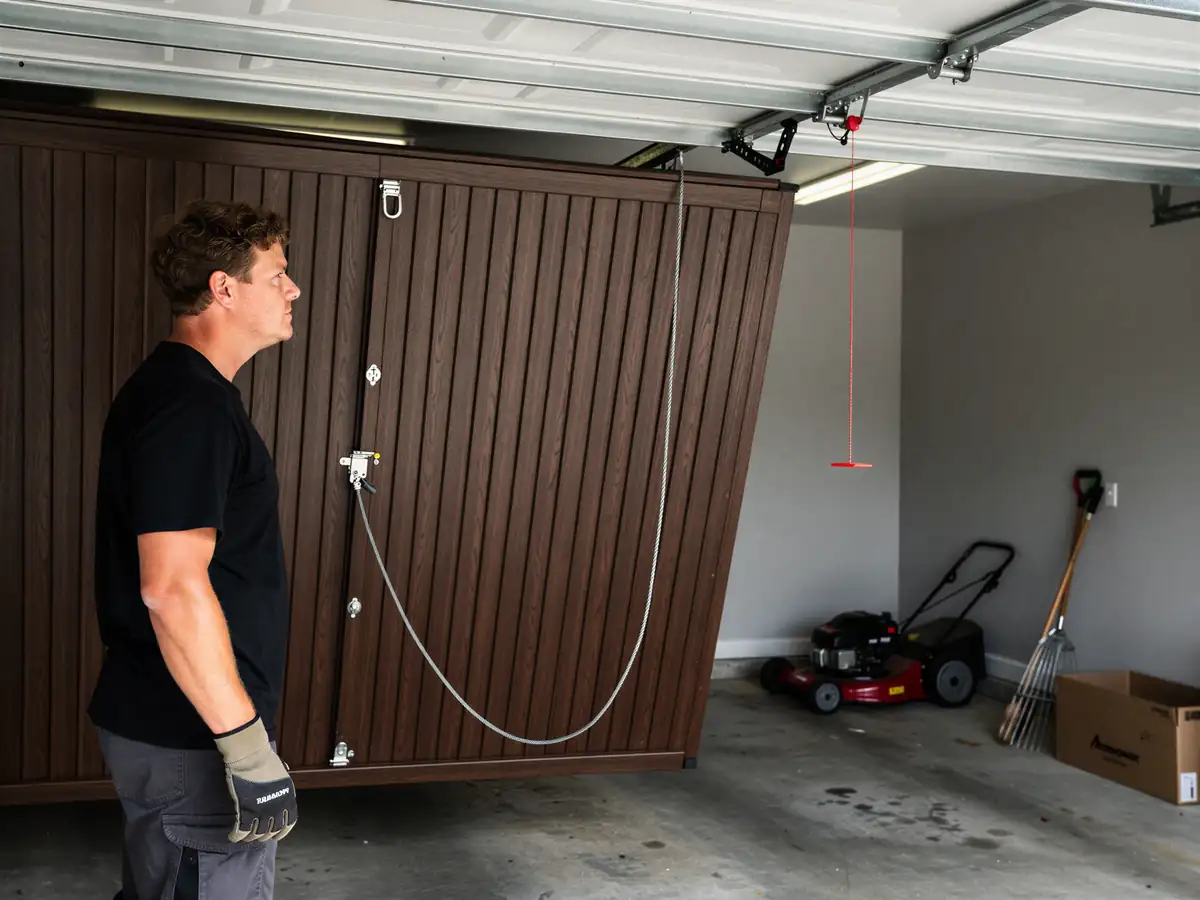
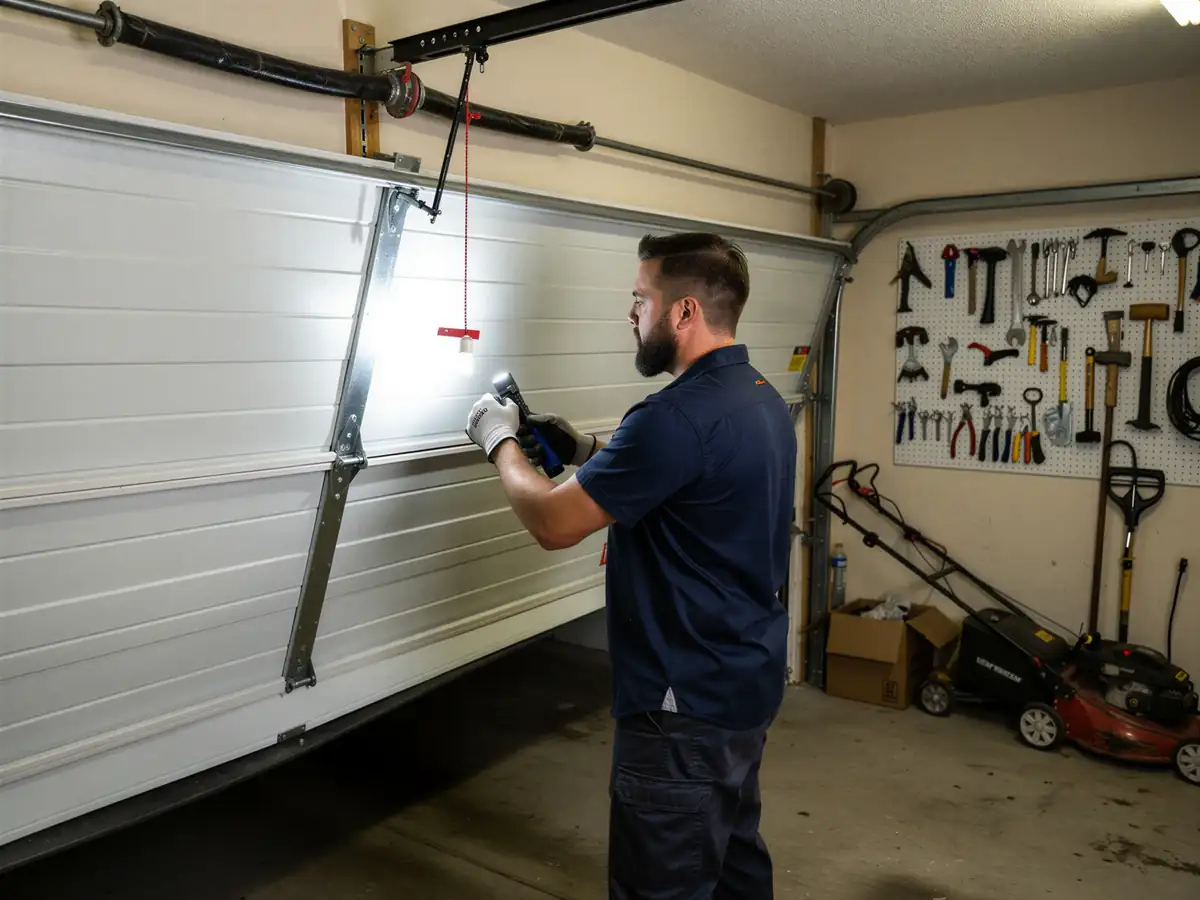
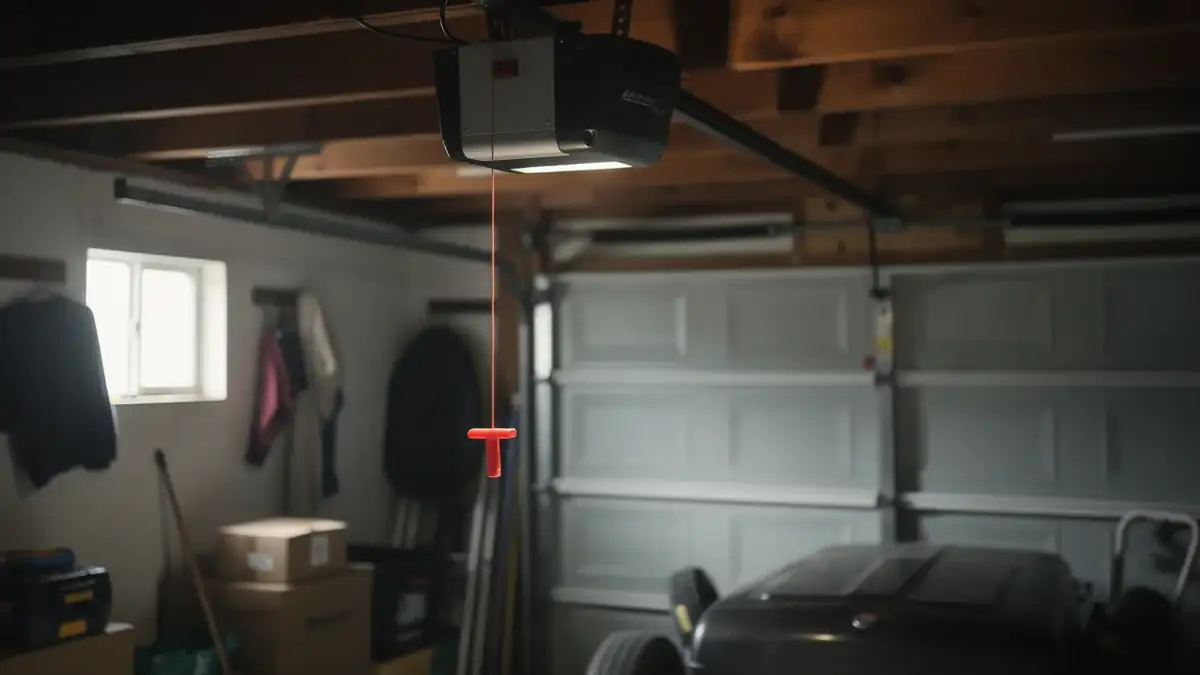
Every opener has a manual release, usually a red cord hanging from the trolley. Pull it and the door disengages from the opener so you can lift it by hand. If you've never located yours, do it before an outage, not during one - in the cold, fumbling for a release cord in the dark is how people pull a muscle or drop a door on a foot. Call us if the door won't move by hand even after you've released it; that's usually a spring problem, not a power problem, and pulling on a jammed door with a bad spring can hurt you. Call us too if you want a battery backup unit added - a lot of openers from the 1983-2013 building boom here predate that feature, and it can be retrofitted on most chain and belt-drive units. What we won't do is promise a battery backup fixes every outage scenario: if the opener motor itself has failed, backup power to a dead motor doesn't open the door.
What Most People Get Wrong
The most common mistake: people assume a quiet opener during an outage means a dead opener, when it usually just means no power - and they never try the manual release because they don't know where it is. The second: assuming that because the keypad lights up, the whole system is fine. Keypads often run on their own battery, separate from the opener's main power. With median household income in the service area at $107,286, cost isn't usually what's stopping people from adding battery backup - it's just not on anyone's list until the power goes out mid-storm. The third mistake is waiting until an outage to test the manual release for the first time. Test it on a calm day, see how heavy the door actually is by hand, and decide then whether you want backup power installed - not when it's cold outside and the door won't budge.