The Cost of This Job
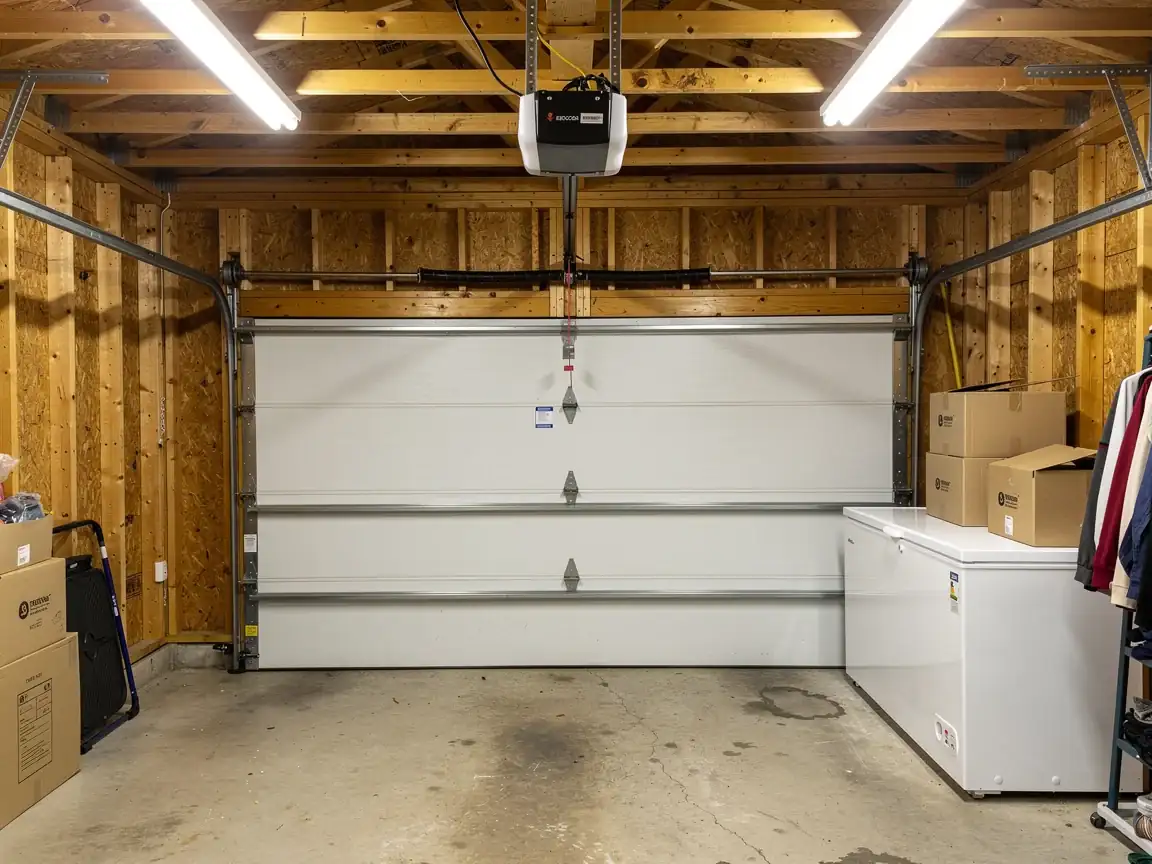
We can't quote a number here without seeing the door, because what you pay depends on whether it's a spring, a cable, an opener board, or a bent track, and whether parts are stocked on the truck or need to be ordered. What we can tell you is what drives the range in this area. Amarillo's housing stock is mostly 1983 to 2013 construction, with a median build year around 1998, concentrated in two main areas of town. That generation of house usually shipped with a torsion spring system and a chain-drive opener, both of which are serviceable with common parts rather than the specialty pieces you'd find on an older or custom-built home. That keeps most jobs in a predictable range rather than a surprise. Where cost jumps is when cold weather has already caused a second failure on top of the first - a cable that jumped the drum after a spring let go, for example - because now you're paying for two repairs in one visit instead of one. If a job turns out to need a full opener replacement instead of a board or gear kit, we'll tell you that up front rather than nickel-and-diming a repair that won't hold.
What You Are Seeing
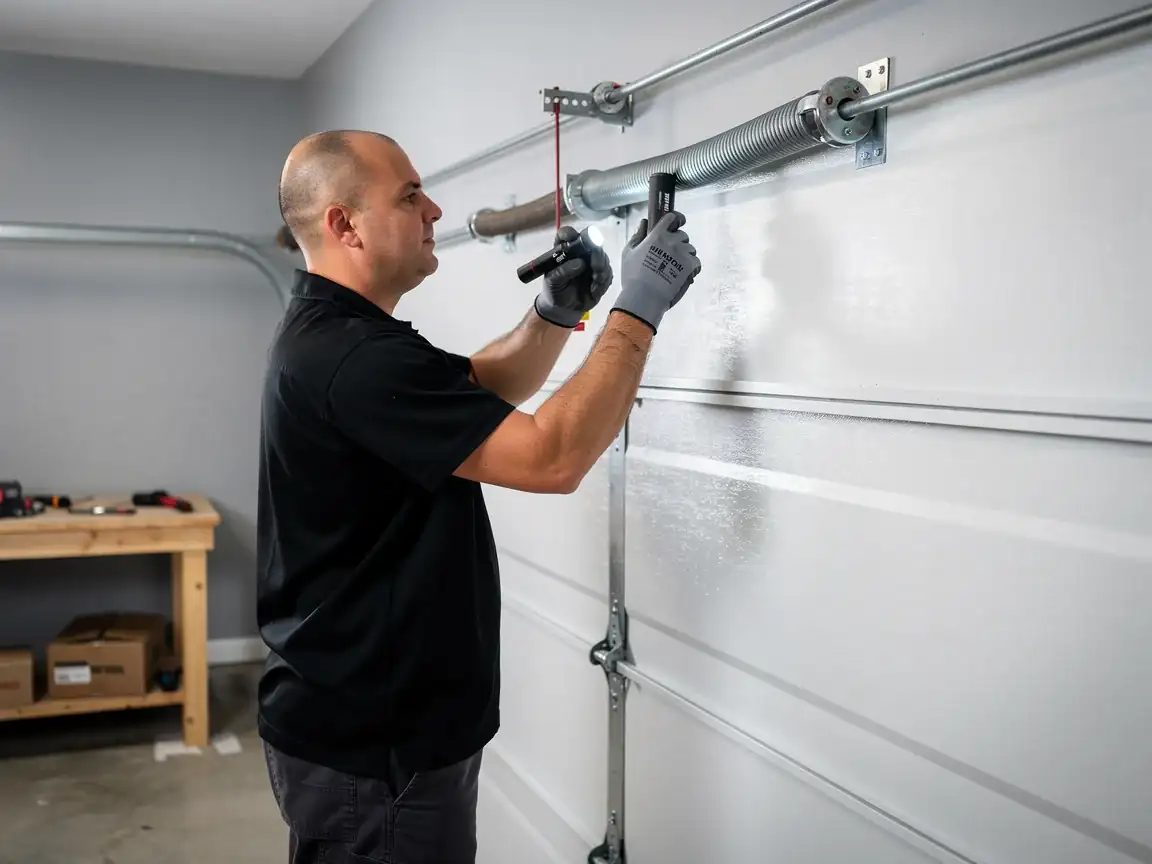
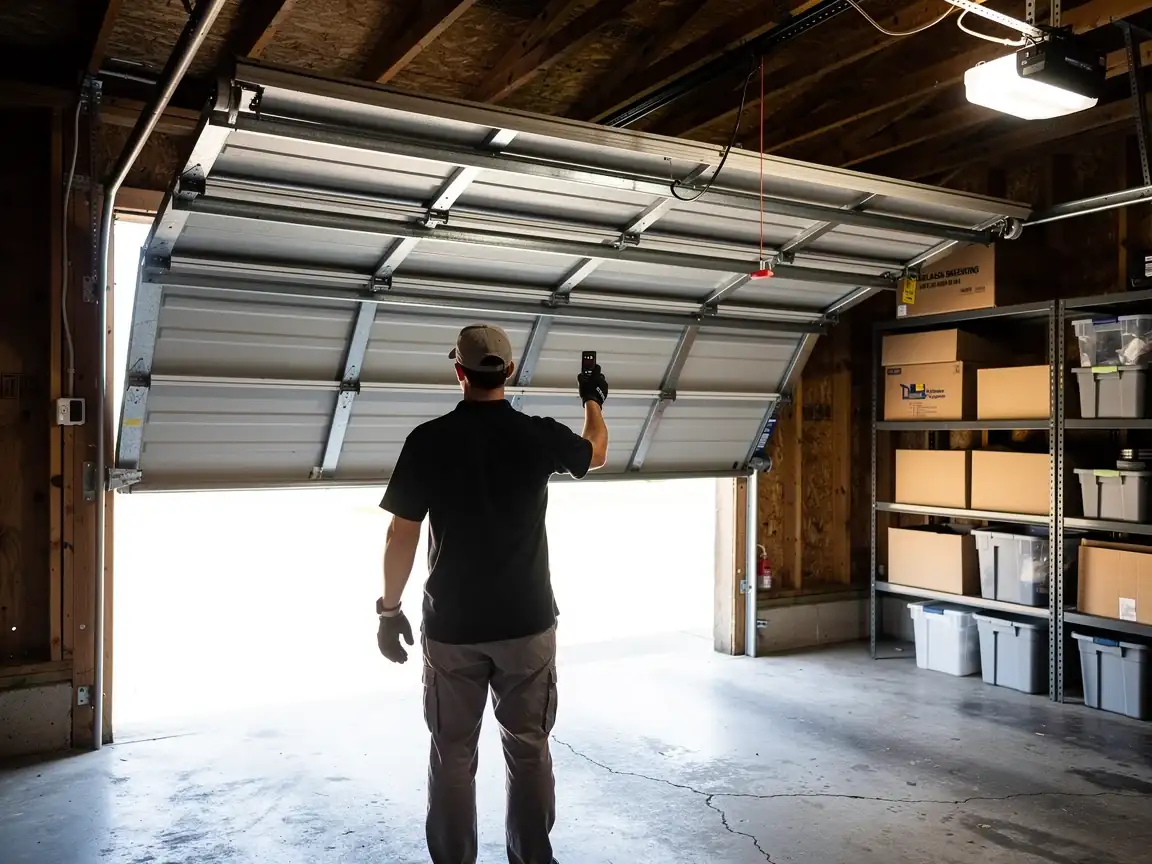
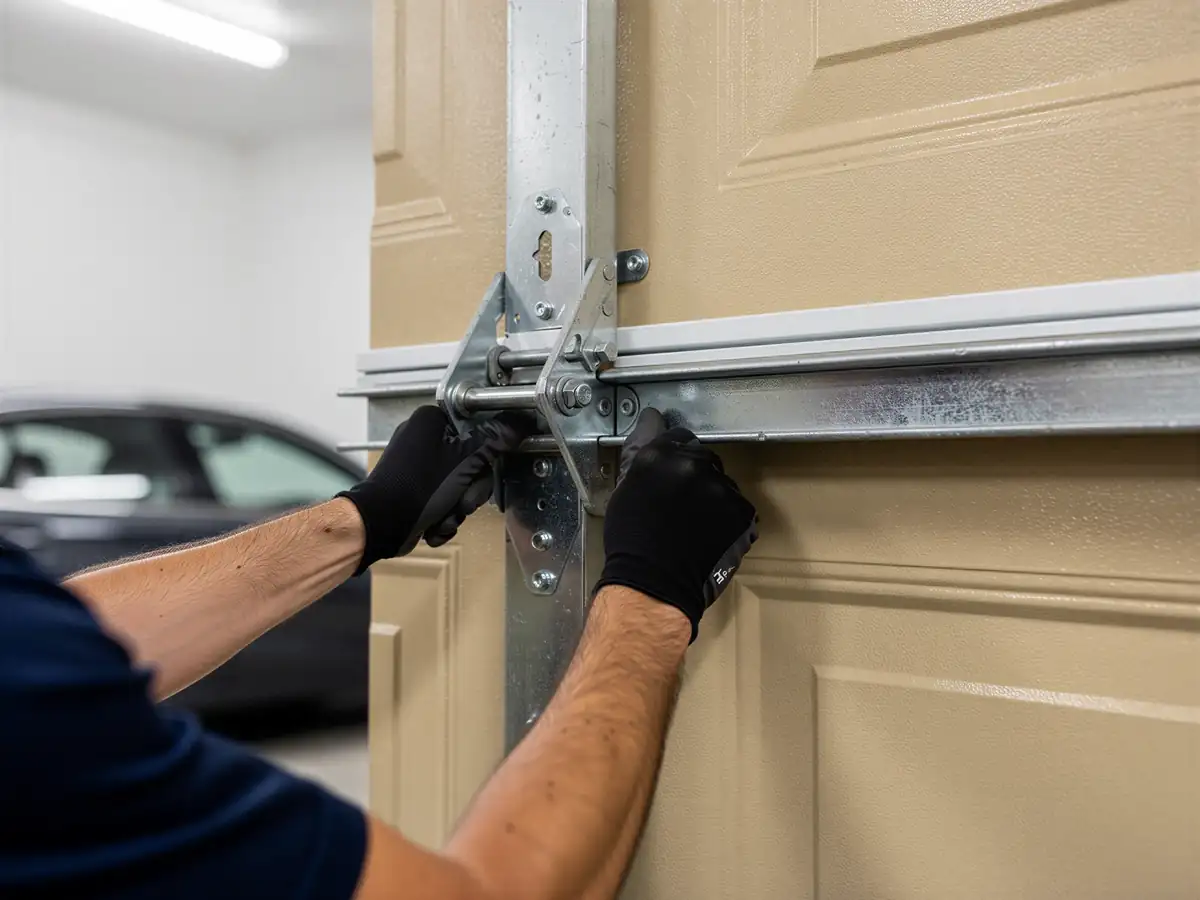
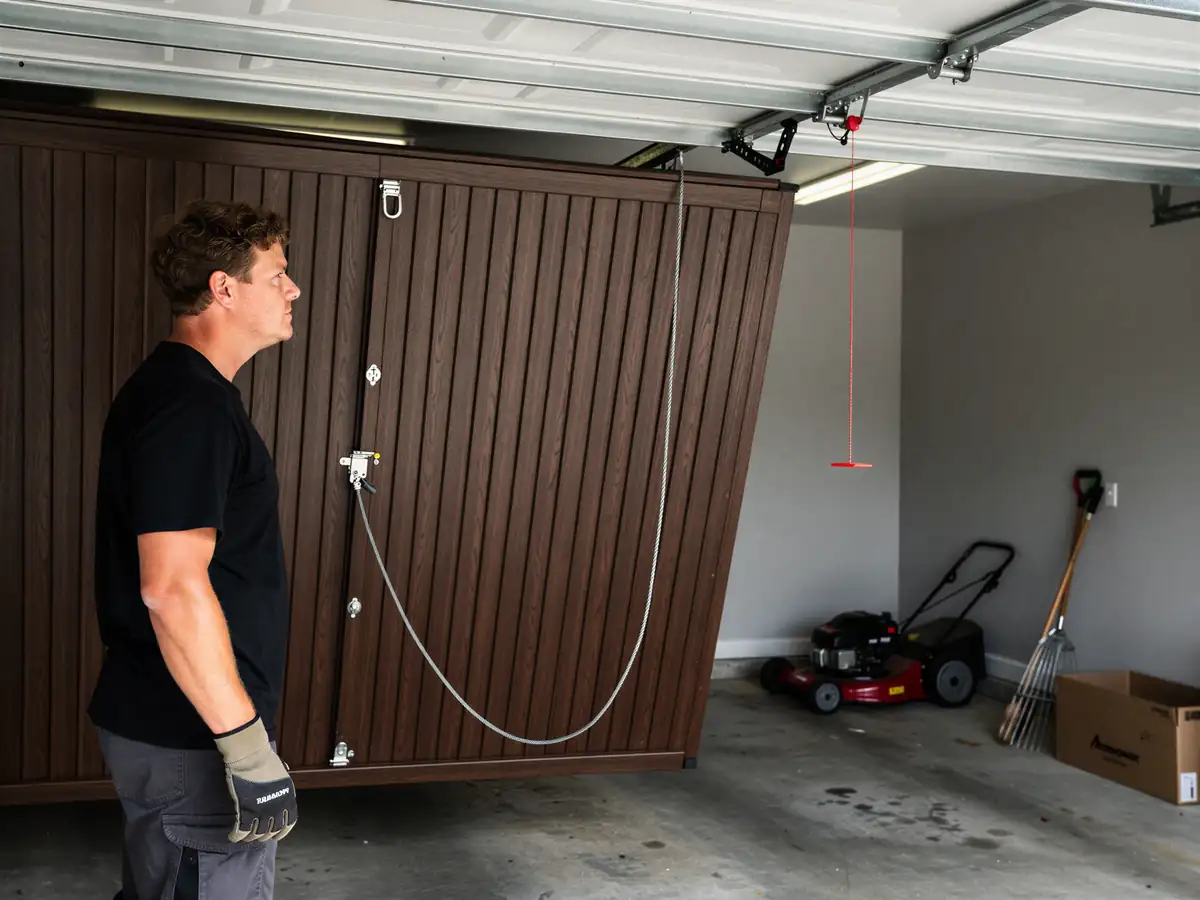
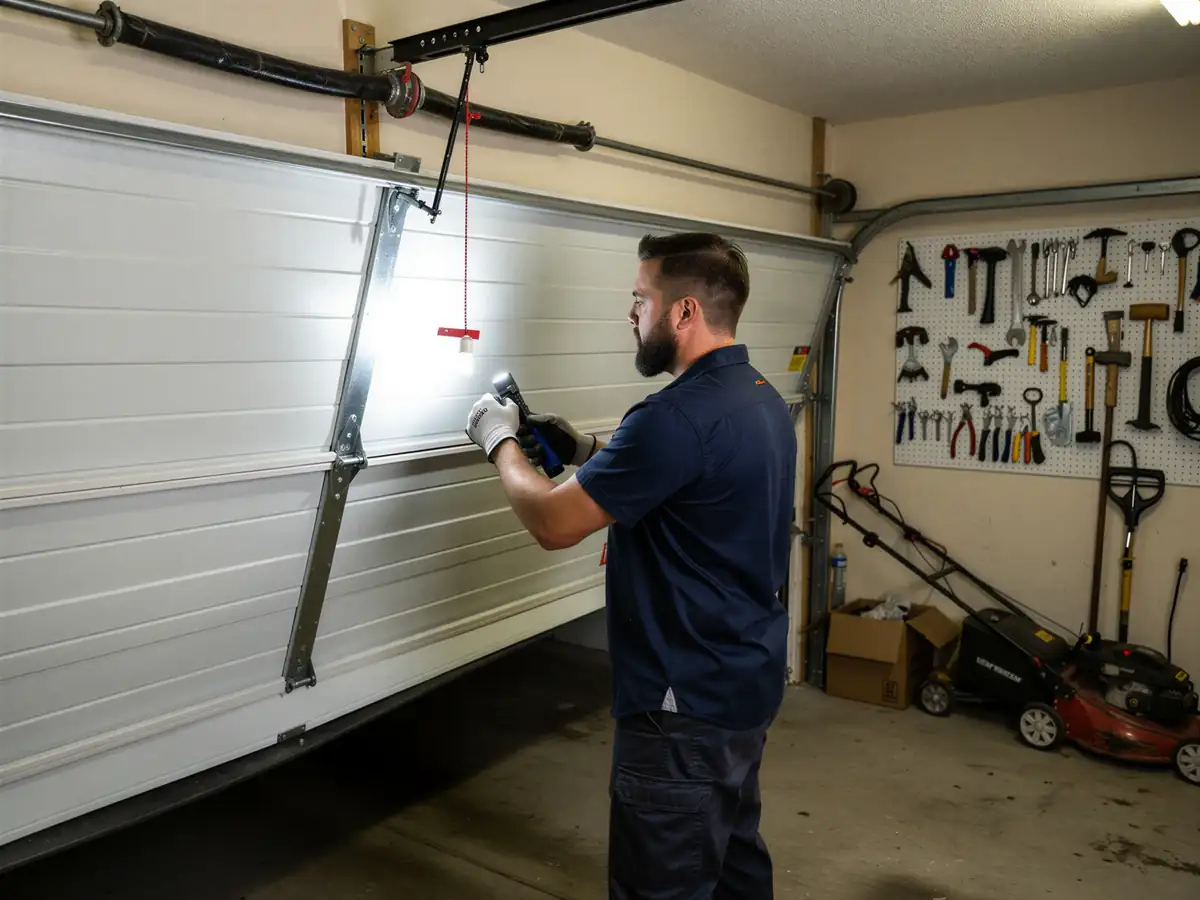
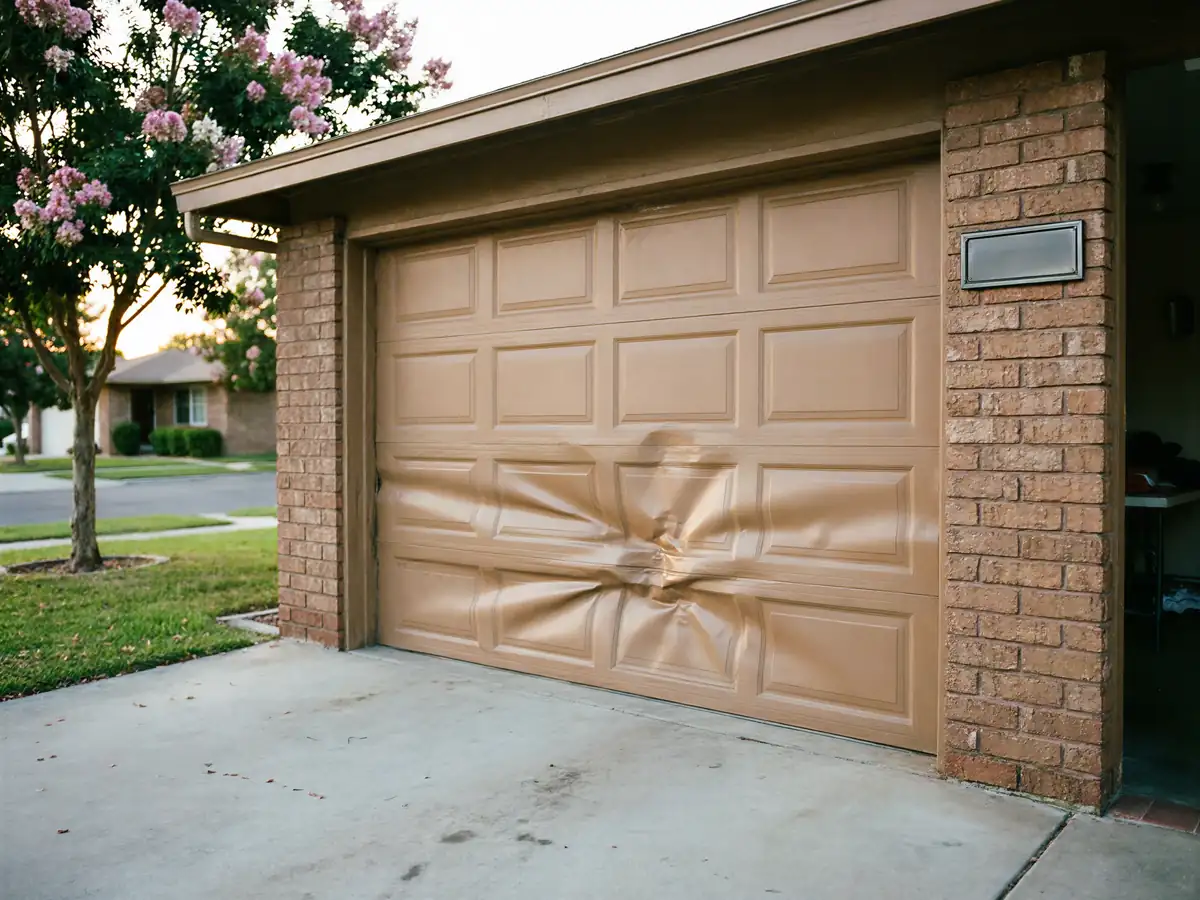
A door that won't budge, with the opener motor humming but nothing moving, usually means a broken torsion spring - the opener isn't strong enough to lift a door on its own once the spring is gone. A door that slams down fast instead of settling is the same problem from a different angle. If the door opens partway then reverses, suspect a misaligned track or a safety sensor knocked loose, which happens more than owners expect on 20-plus-year-old installs where the brackets have loosened over time. A loud bang from the garage followed by the door refusing to move at all is almost always the spring snapping - it's loud, it's sudden, and it's not something to force through with the manual release. Cables that have jumped the drum show up as a door hanging crooked, lower on one side than the other. None of these are wait-and-see situations once the door is in that state.
Can You Do This Yourself
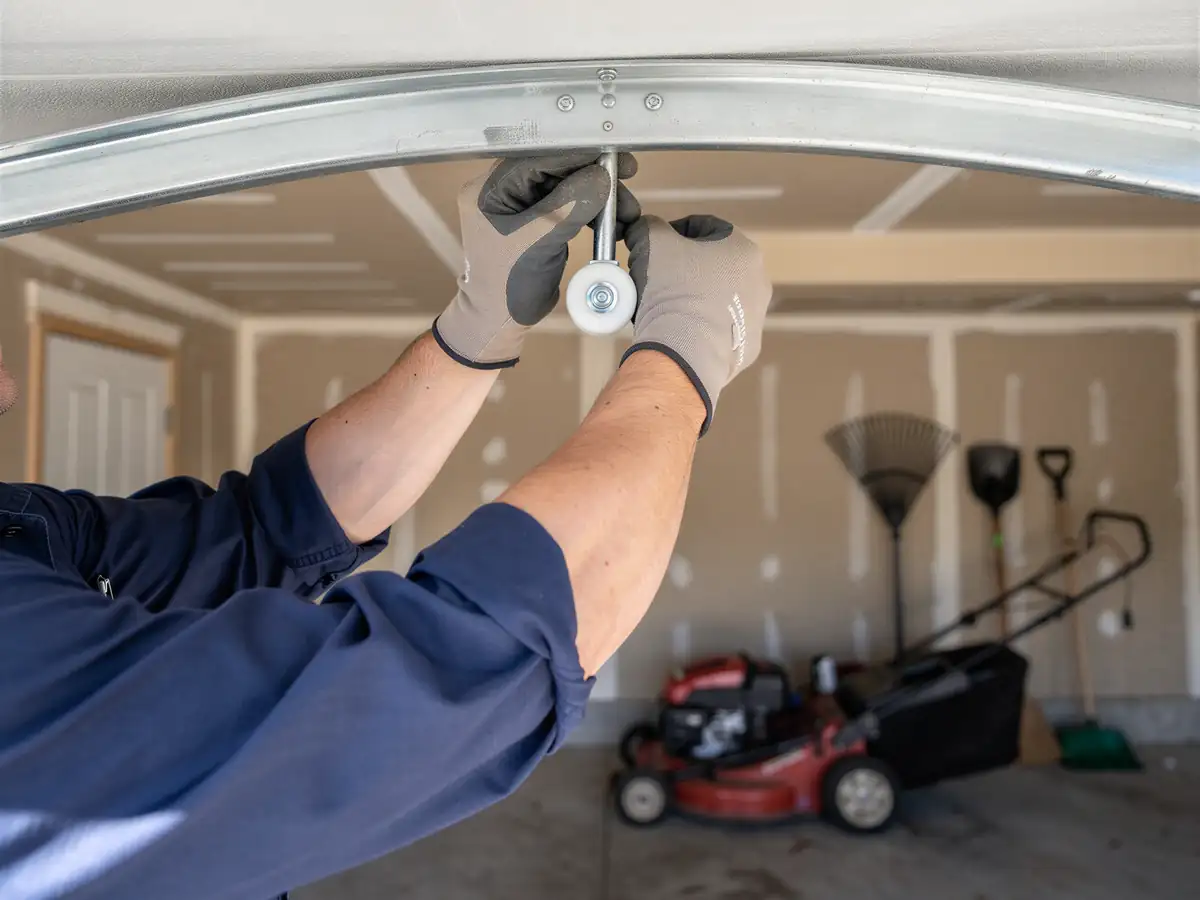
Some of this is DIY-safe and some of it isn't. Reprogramming a remote, replacing sensor eyes, or tightening loose track bolts - fine, most owners can handle that with a ladder and twenty minutes. A broken torsion spring is not a DIY job. These springs are under enough tension to cause serious injury, and the tools to wind one safely aren't something most garages have lying around. If your door is a double door on a single torsion spring - common in the 1980s and 90s builds across this area - replacing just one side without matching the other almost always causes a repeat failure within a year, which is a mistake we see a lot of DIY attempts make. If you're not sure which category your problem falls into, that uncertainty is itself the answer: call it in.