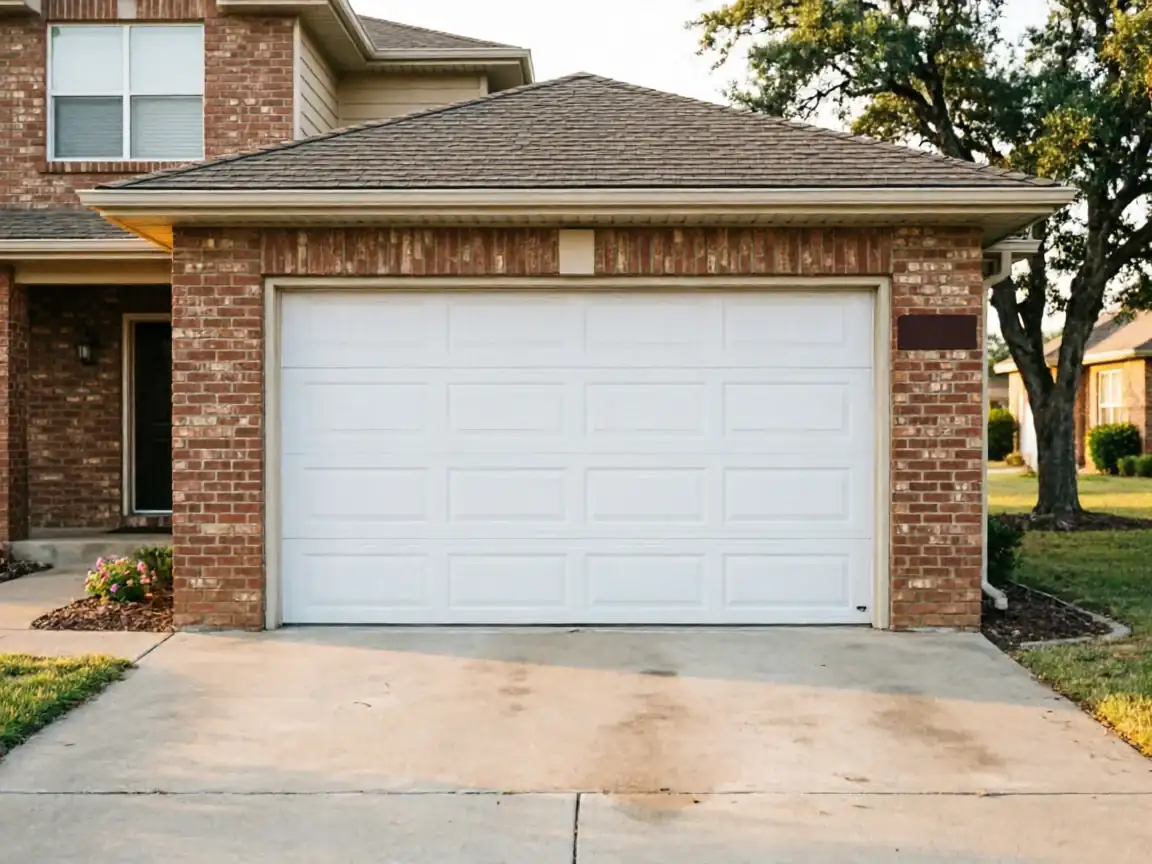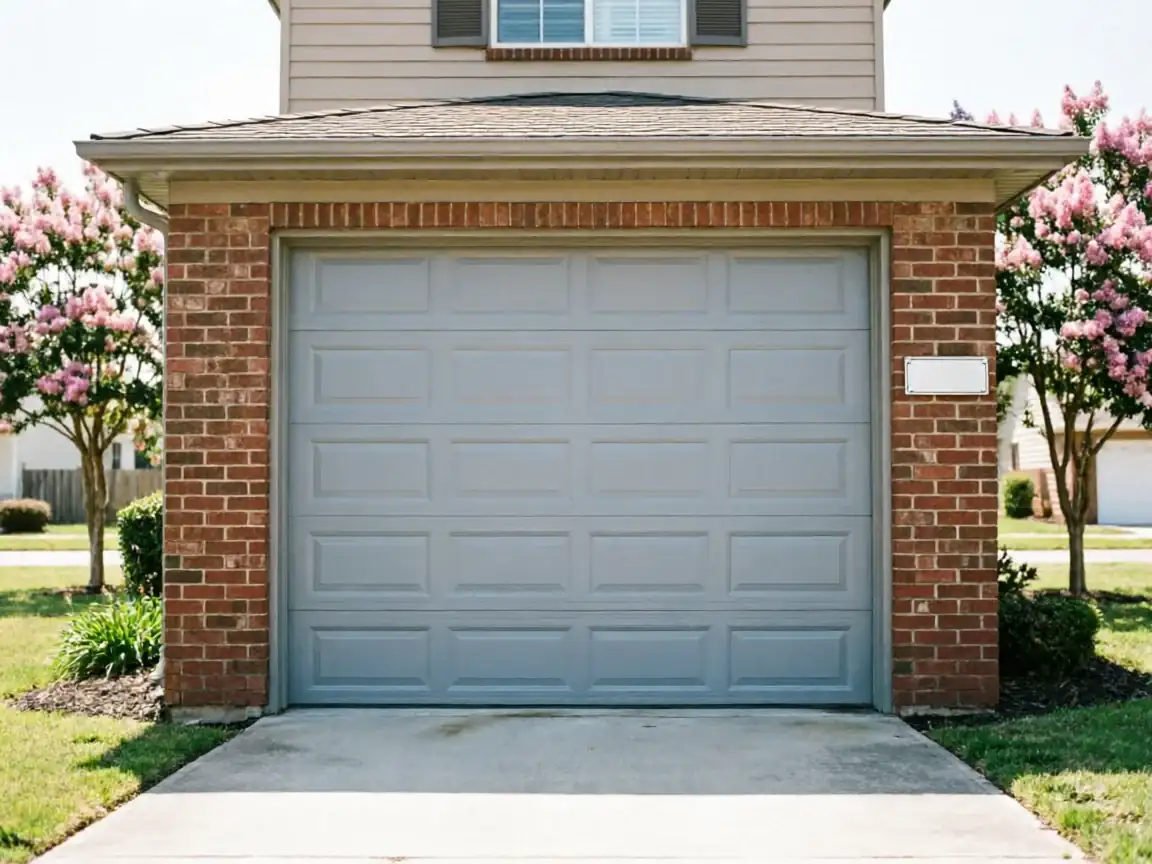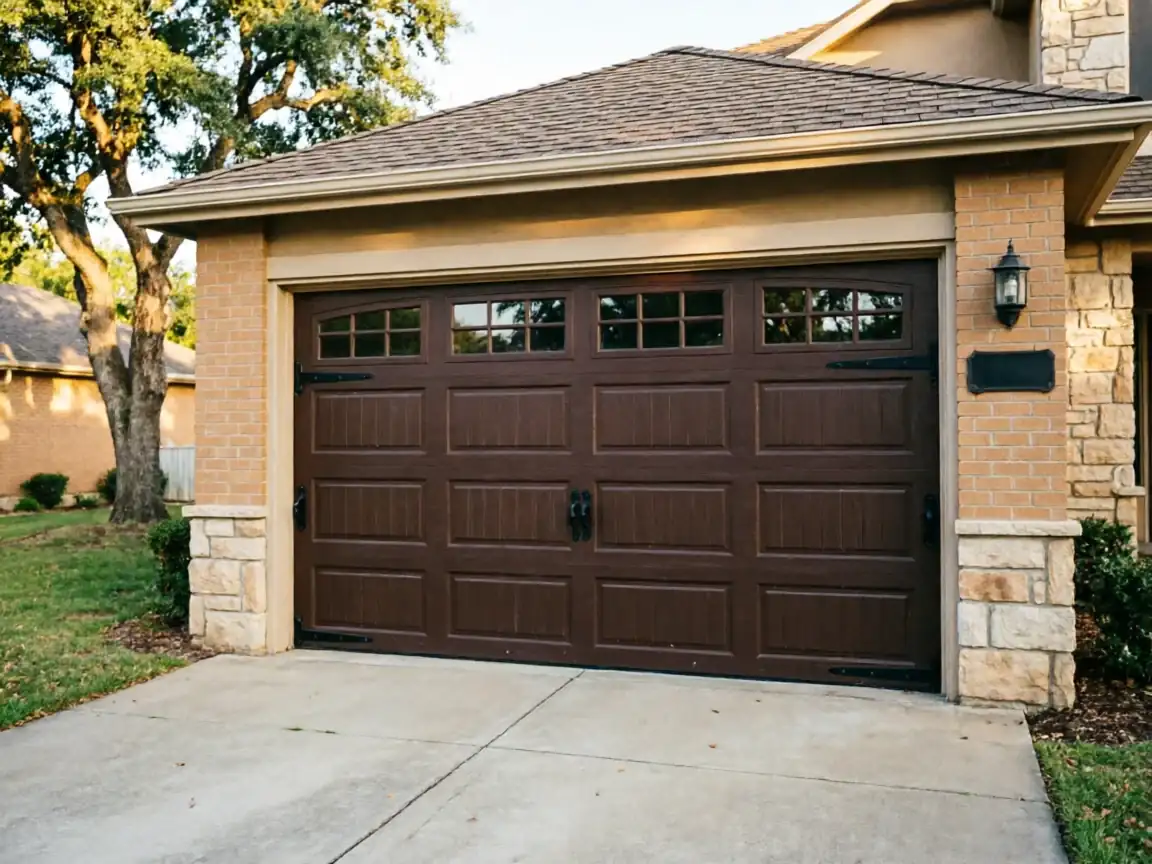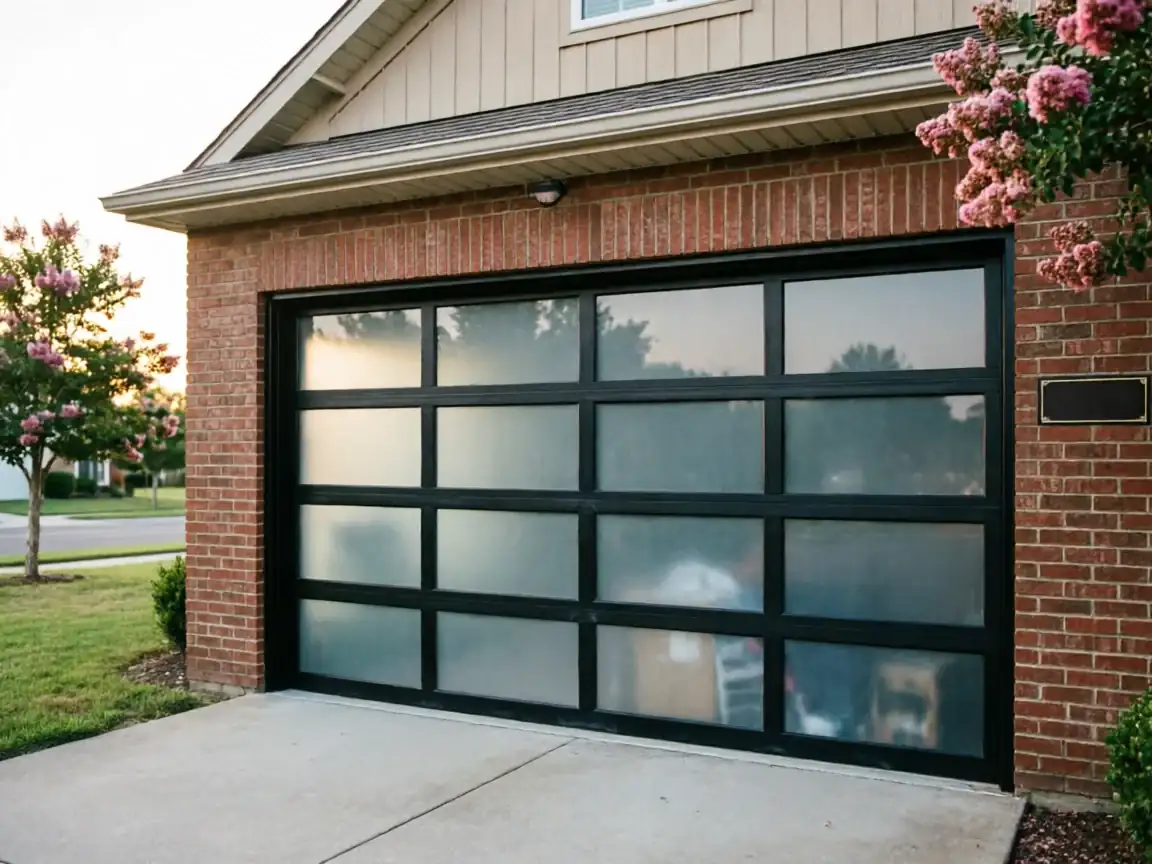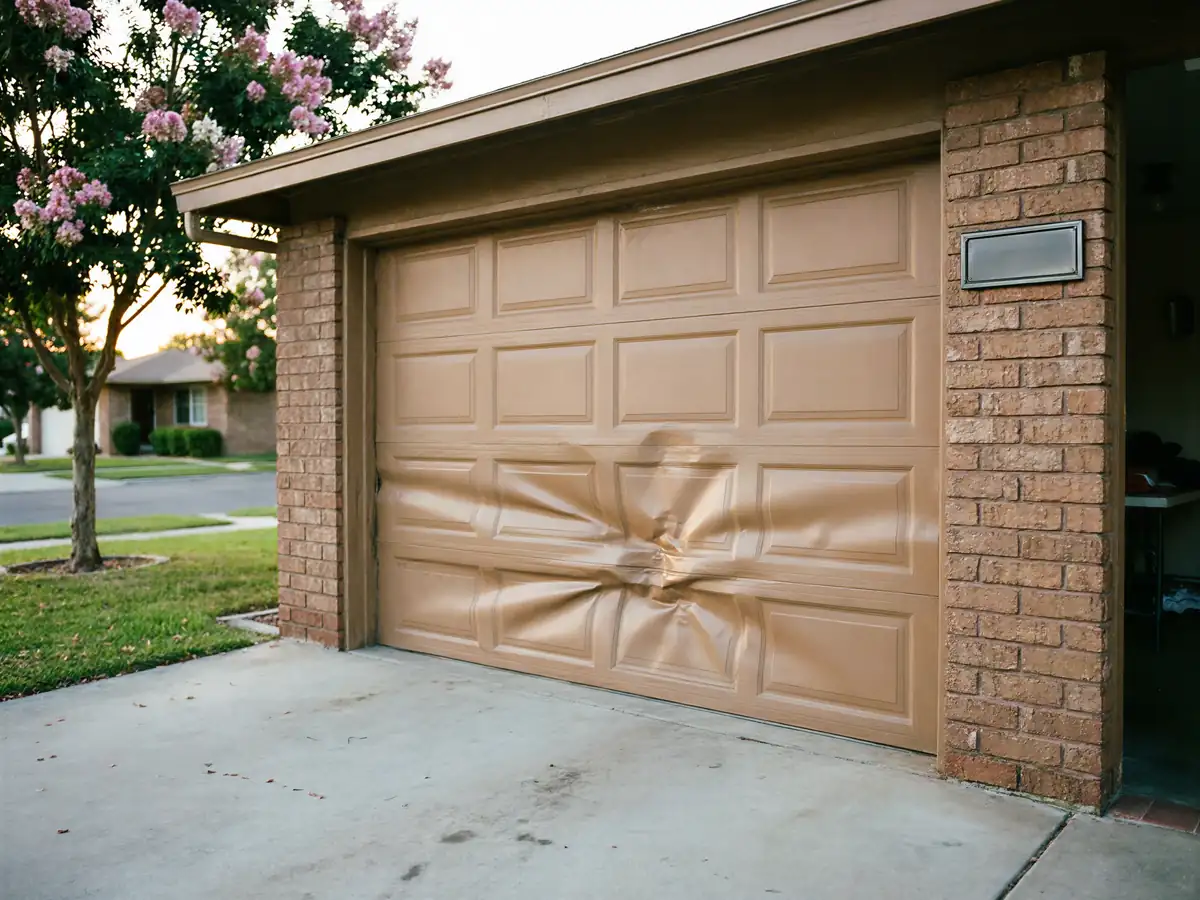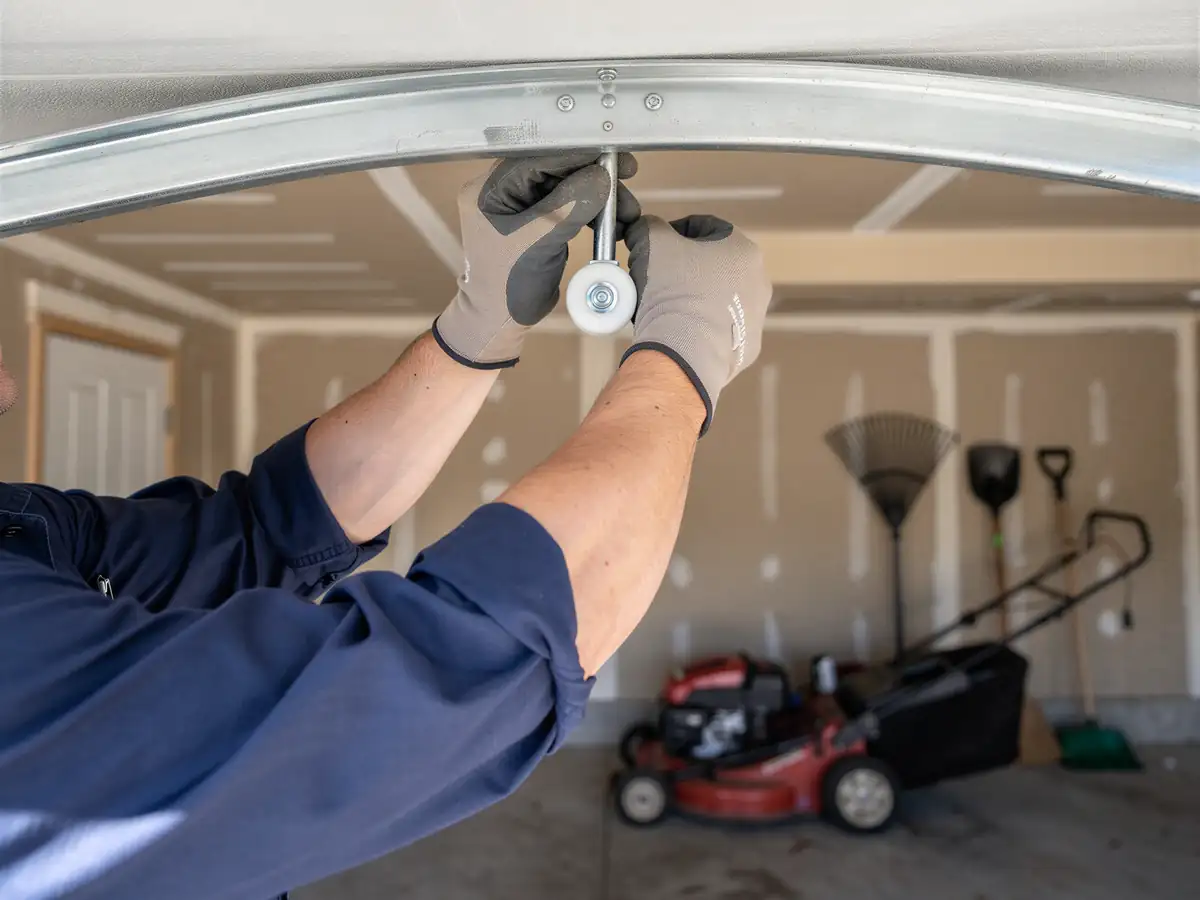
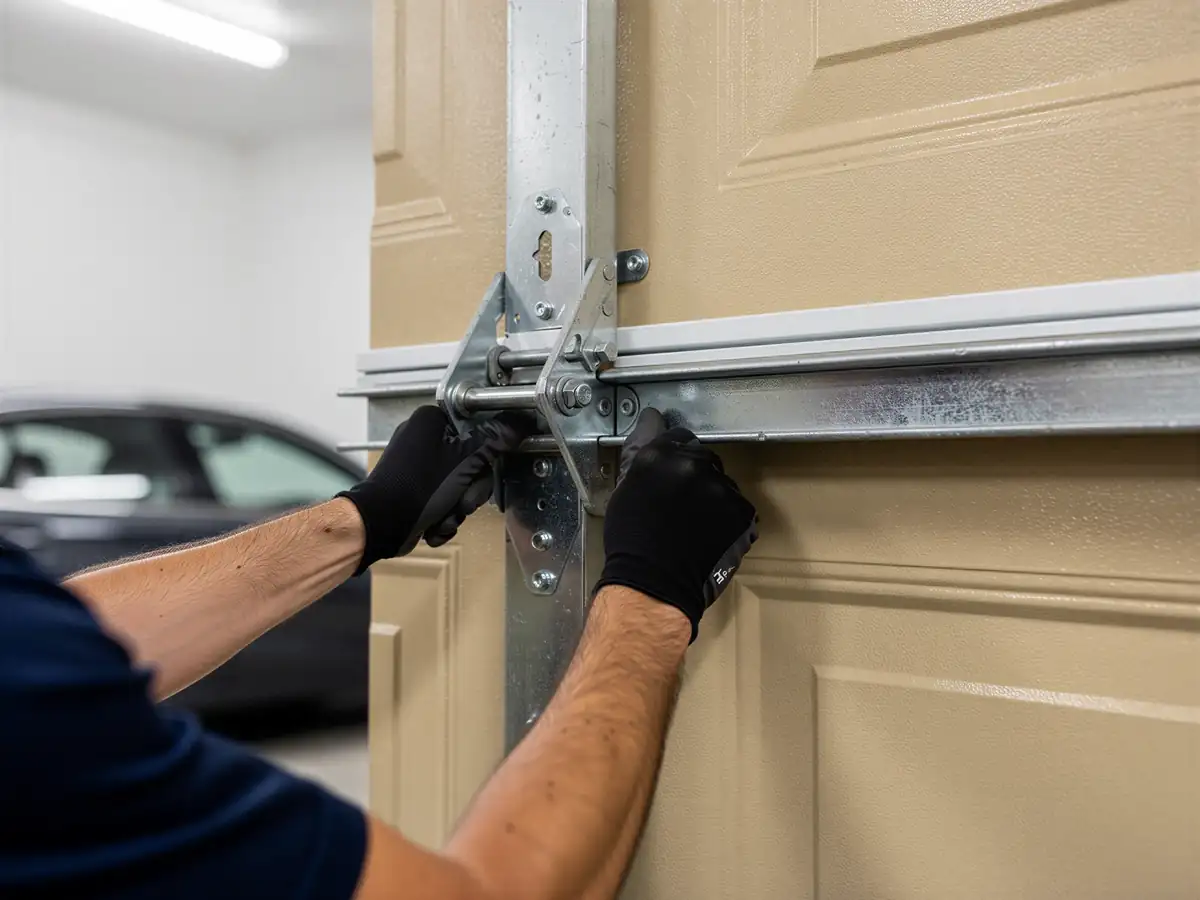
What the Fix Involves
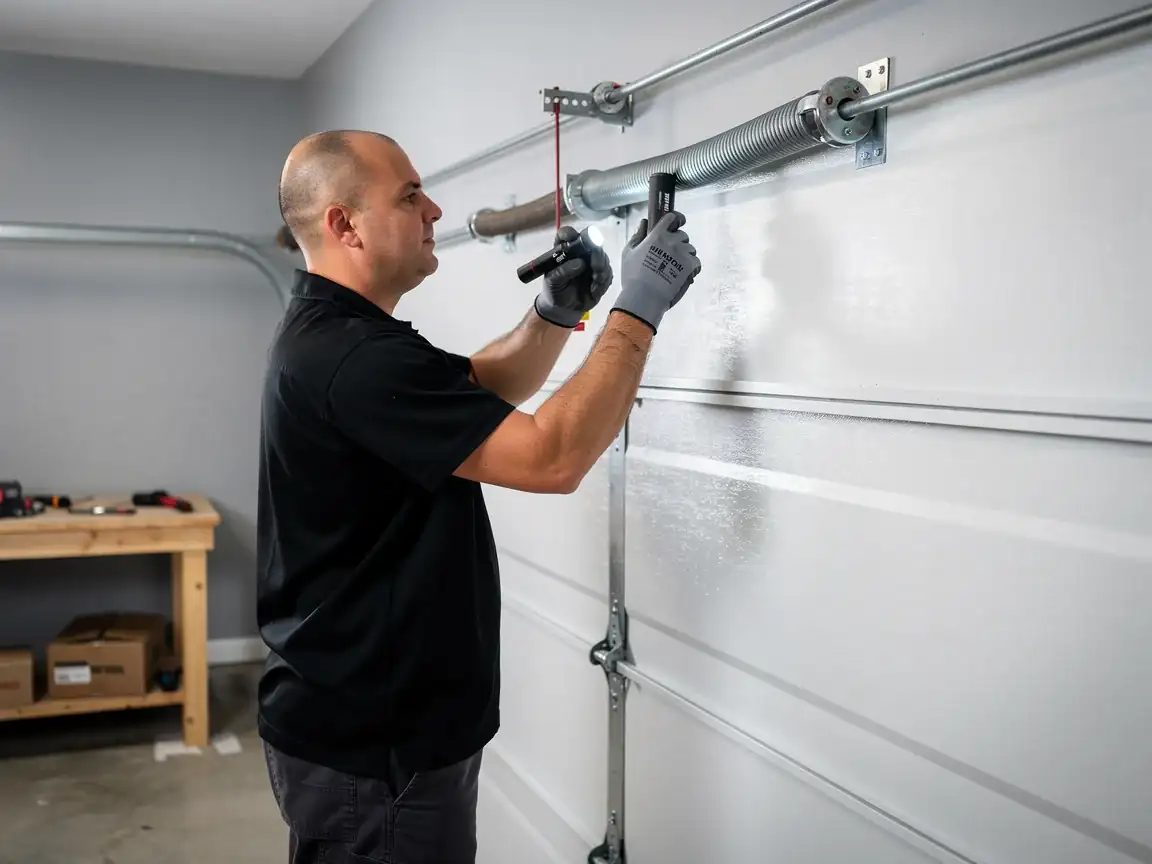
The call we get most out of Canyon is a torsion spring that's let go on a door that's been cycling the same hardware since the house was built. A lot of Canyon went up around 1983, which puts a big share of these doors at 40-plus years on original springs, drums, and sometimes the original opener. That's old enough that the spring wire gauge and drum size on file with newer manufacturers don't always match what's hanging in the garage.
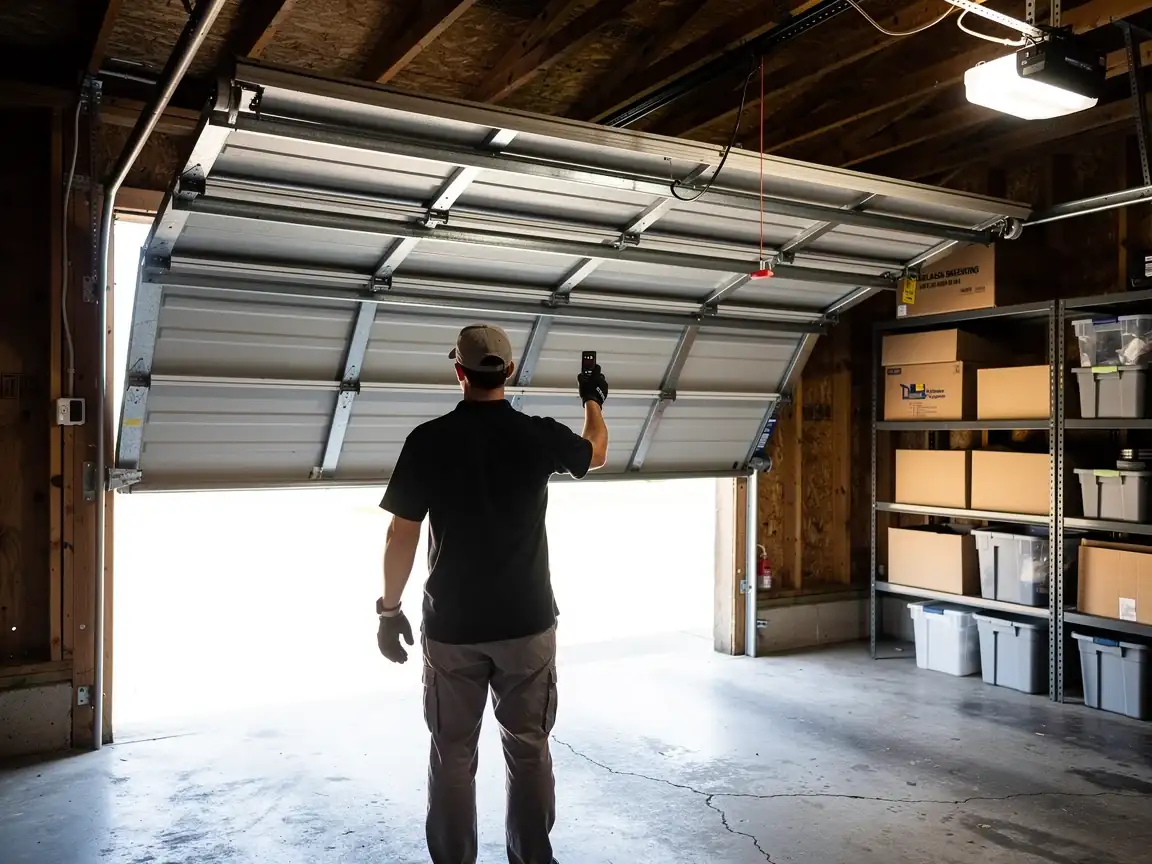
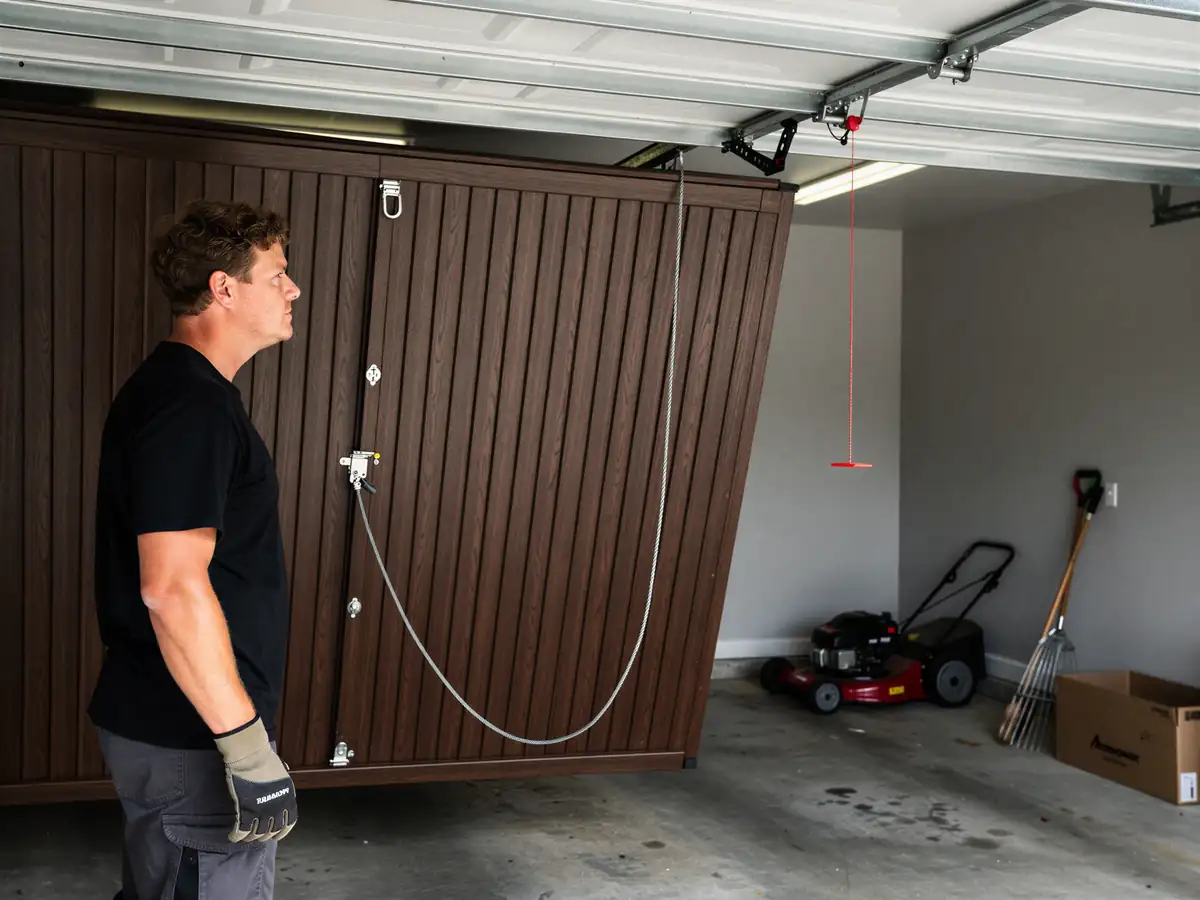
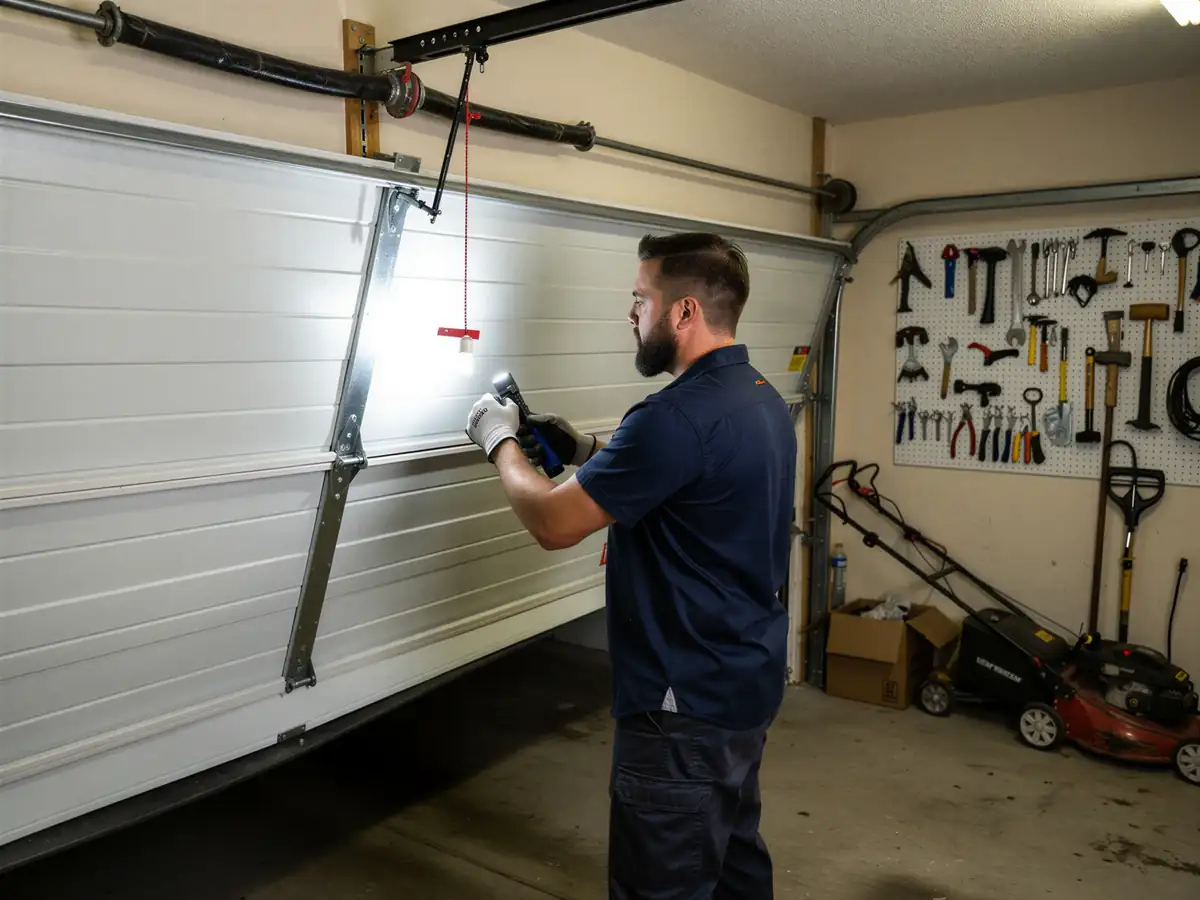
On a repair call we check the spring size against the door weight, not just swap in whatever's on the truck, because an undersized replacement spring on a heavy 80s-era steel door wears out fast and can throw the cable off the drum. We also check the opener mount - a lot of these garages still run a chain-drive unit bolted to framing that's shifted slightly over four decades, which throws the rail out of square and chews up the trolley.
We're not replacing full systems on every call. If the track is straight, the panels aren't rusted through, and the opener logic board still works, a spring-and-hardware repair is the right call, not a full door swap. We'll tell you straight when the repair costs more sense than the replacement, and when it doesn't.
Where This Job Goes Sideways
The part that goes wrong on Canyon calls more than most
Galvanized torsion springs from the early-80s build wave rust from the inside of the coil out, where you can't see it until it snaps. A spring that looks fine on the outside can be down to half its rated cycles. We've also seen single-car openers on these older builds wired into circuits that were never meant to carry a modern opener's draw, which trips breakers mid-cycle and gets blamed on the door when it's actually the panel.
The other sideways spot is the cable drum
On doors this age, if a previous repair used a universal spring that didn't match the original drum size, the cable winds unevenly and starts fraying at one edge. That's not a $20 fix - it usually means replacing both drums and the cable set together, and it's worth catching before the cable snaps under tension.
We'll walk you through what we find before we touch anything
Including if the fix is bigger than the original call.
What Causes It Around Here
Canyon sits in a cold-moderate climate band, and the swing between a hard winter morning and a 90-degree July afternoon puts real stress on steel that's been in service since the early 1980s. Metal contracts hard in winter cold, which tightens tolerances on tracks and rollers that were never dead-true to begin with after four decades of settling. That's when a roller that's been squeaking all fall finally binds and jumps the track.
The building stock here runs mostly 1980s-90s construction, concentrated in a couple of named pockets rather than spread thin, which means a lot of these houses share the same door and opener models from the same production run. When one fails from age, the neighbor's door from the same era usually isn't far behind.
We don't see much call for insulated door retrofits here specifically - that's a separate conversation from a repair call, and we won't try to sell you one while we're out for a broken spring.
How Long You Are Without the Door
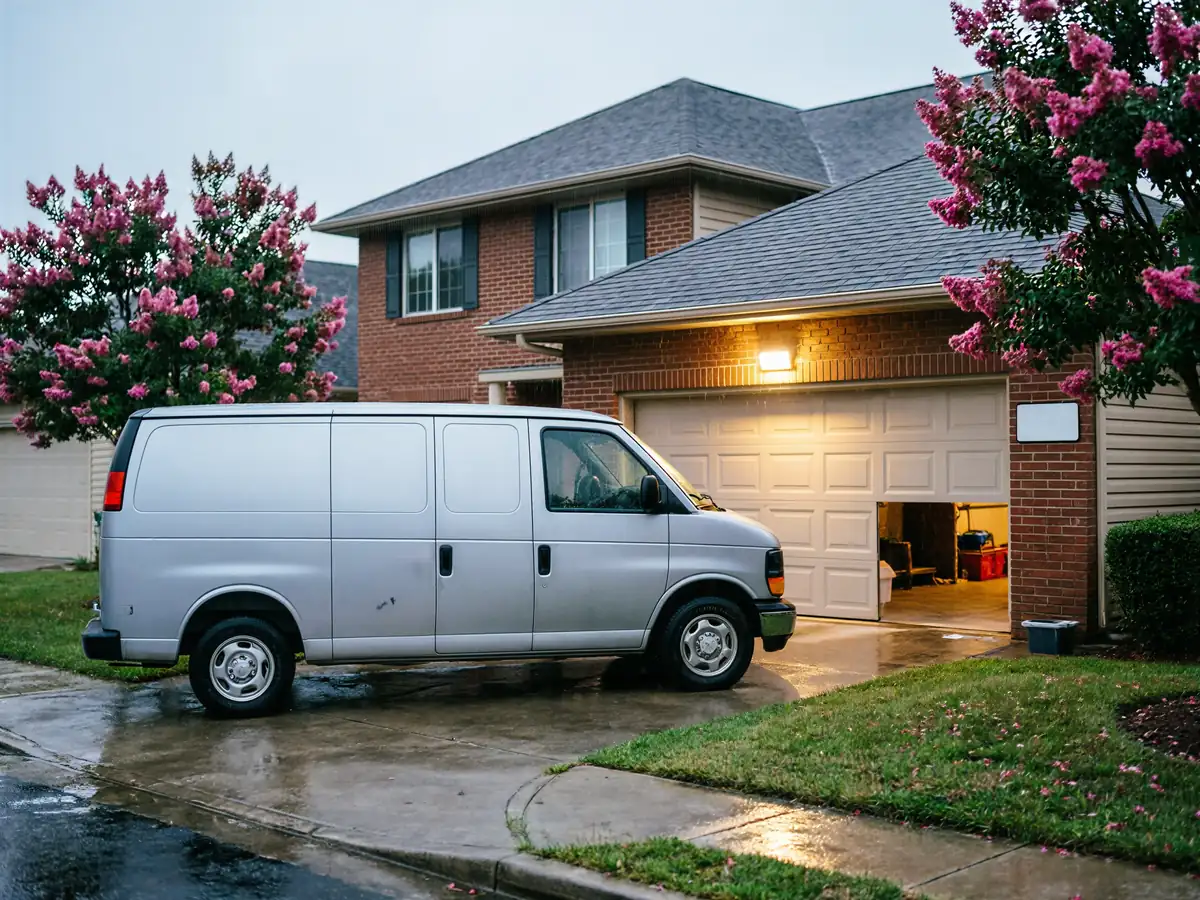
We run this job from Amarillo, about 15 miles out, so the drive is part of the timeline and we're upfront about that rather than promising a window we can't back from here. Most spring and hardware repairs on these older Canyon doors are a single visit - we carry common torsion spring sizes and drum hardware that fit the 1980s builds that make up most of this area's stock.
Where it stretches past one visit is parts we don't carry on the truck: a specific opener logic board for an older unit, or a drum size that doesn't match current stock. On those, we'll tell you at the door what we need to order and roughly how long that part takes to come in, rather than leave you guessing. If your door is working but rough, it's worth a call before it fails outright - a scheduled repair beats an emergency one on timing, every time.