The Situation
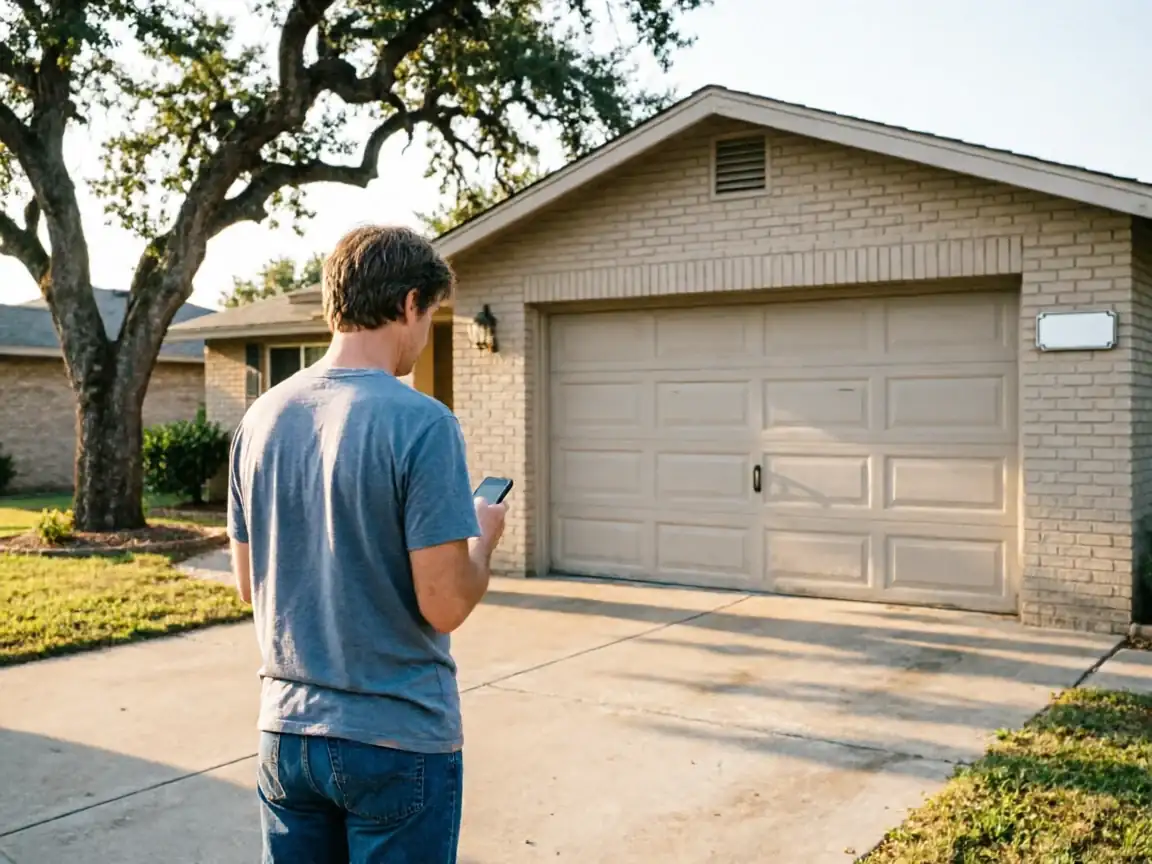
Most houses we work on in the Amarillo service area went up between 1983 and 2013, with the median build year landing at 1998. That's a narrow window - builders were putting up new subdivisions through two decades using pretty consistent hardware: torsion springs rated for a specific door weight, chain or belt openers wired to the code of that decade, and steel panels insulated to whatever standard was common then. The housing stock here splits mostly into two pockets of 1980s and 90s construction, which means a lot of garages on this side of town are hitting the same age at close to the same time. When one torsion spring on a street fails from fatigue, the identical spring two doors down is usually not far behind it. We're also working in an area with 6,332 households and 2,974 owner-occupied houses, and a median income of $107,286 - most of what we see is routine wear catching up with hardware that's now two to four decades old, not storm damage or a one-off accident.
When to Get Help
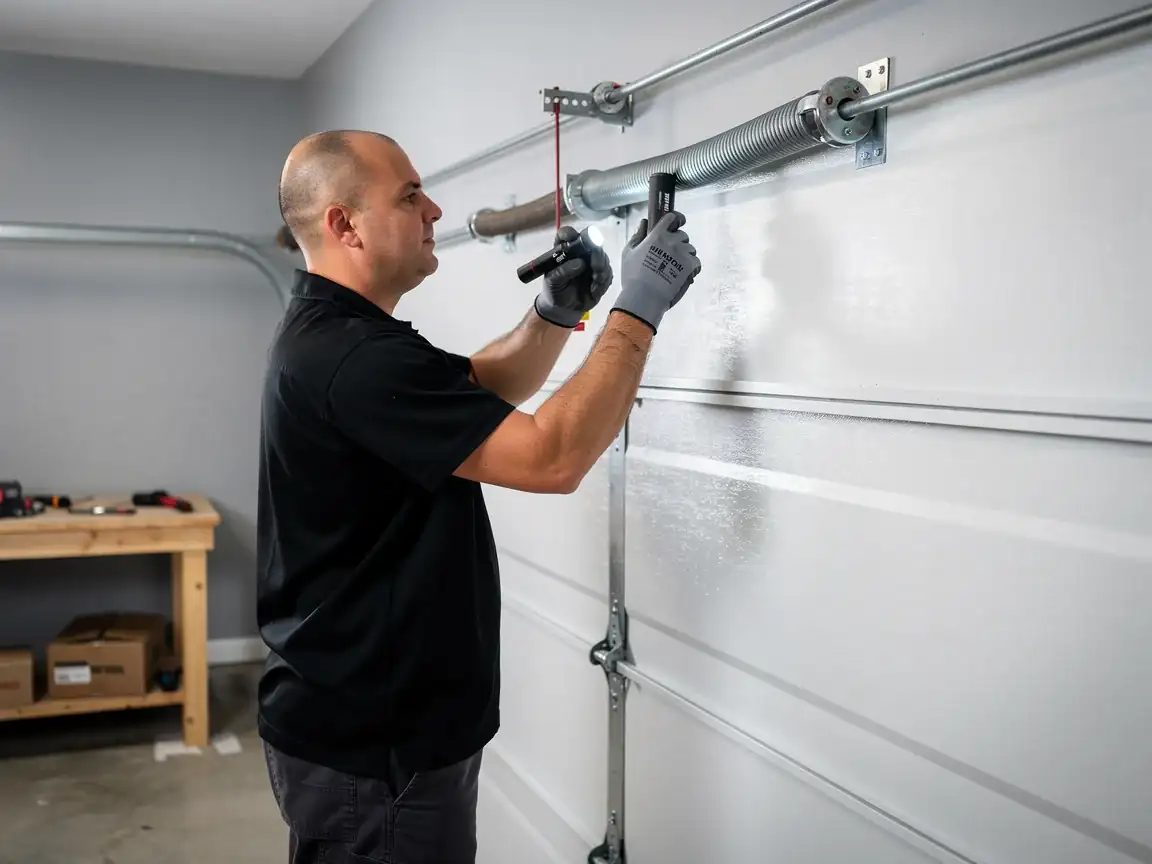
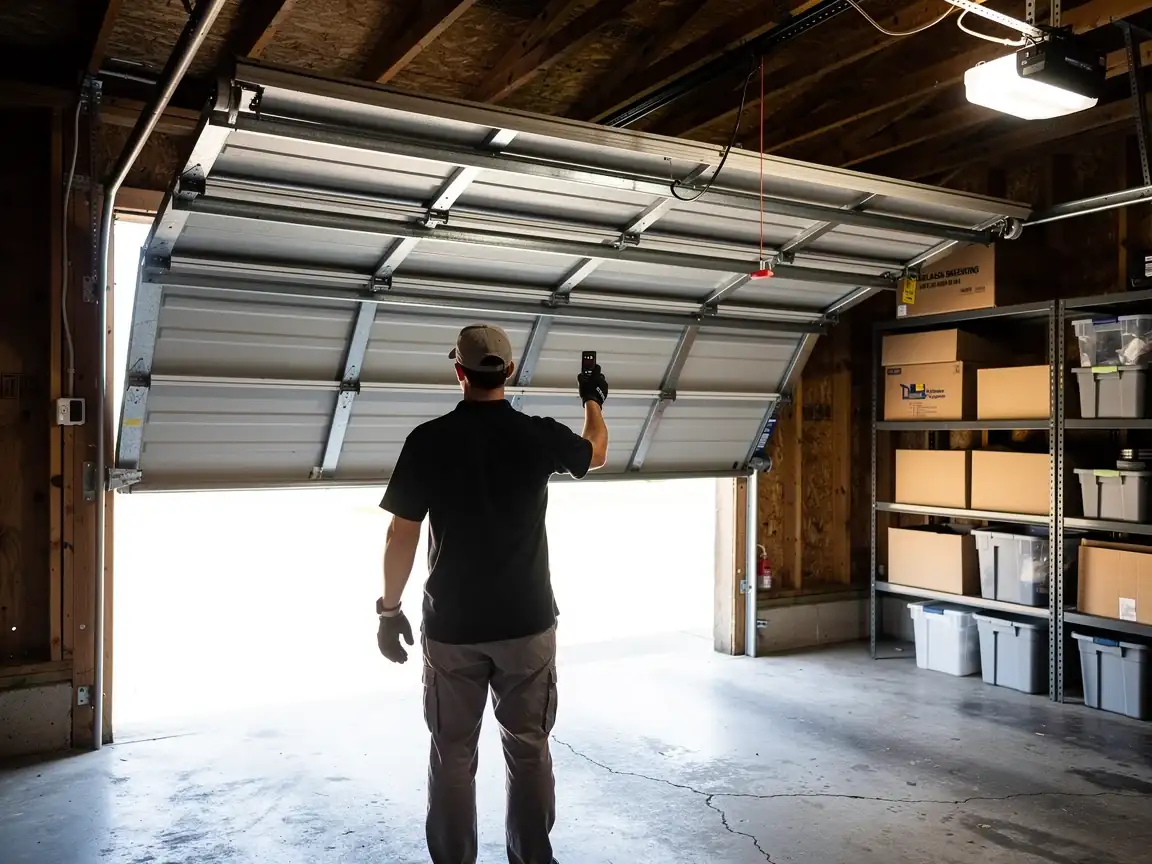
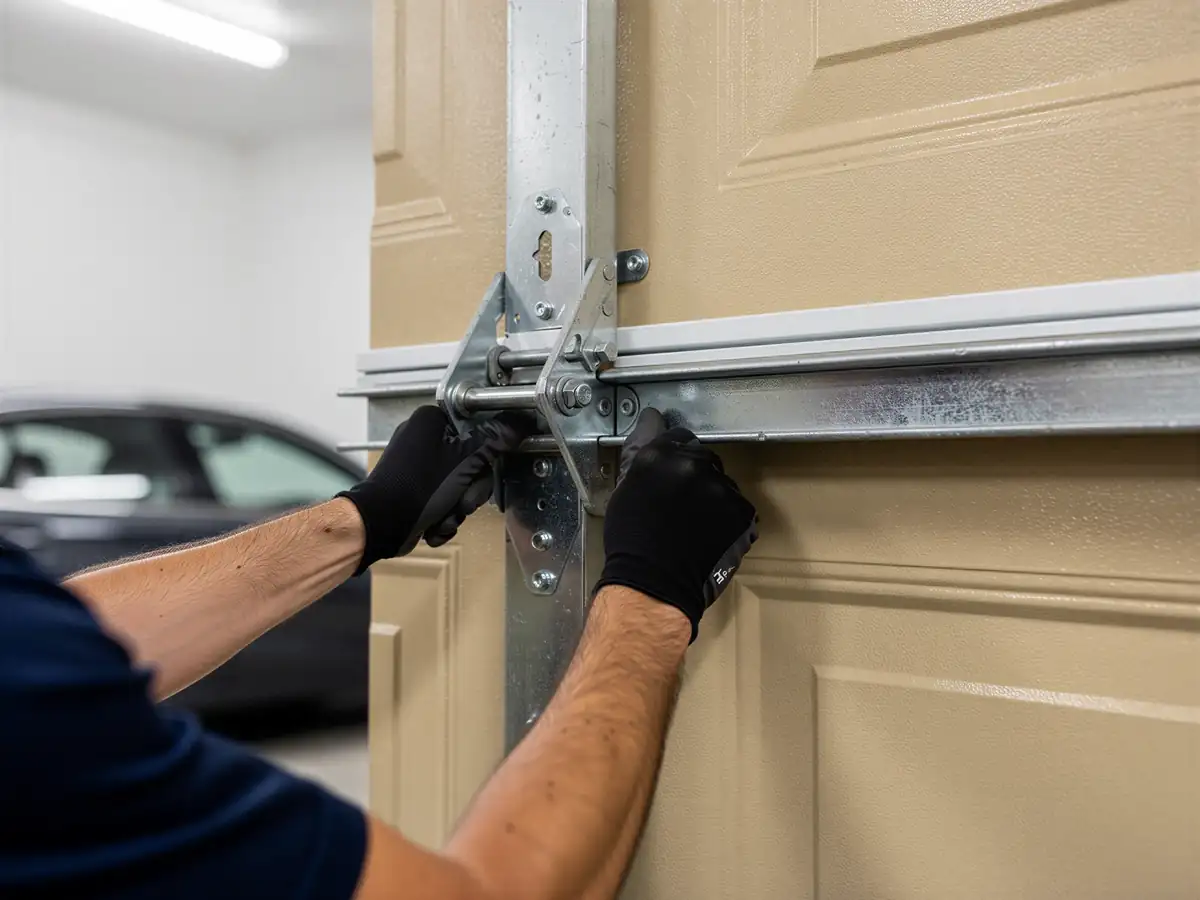
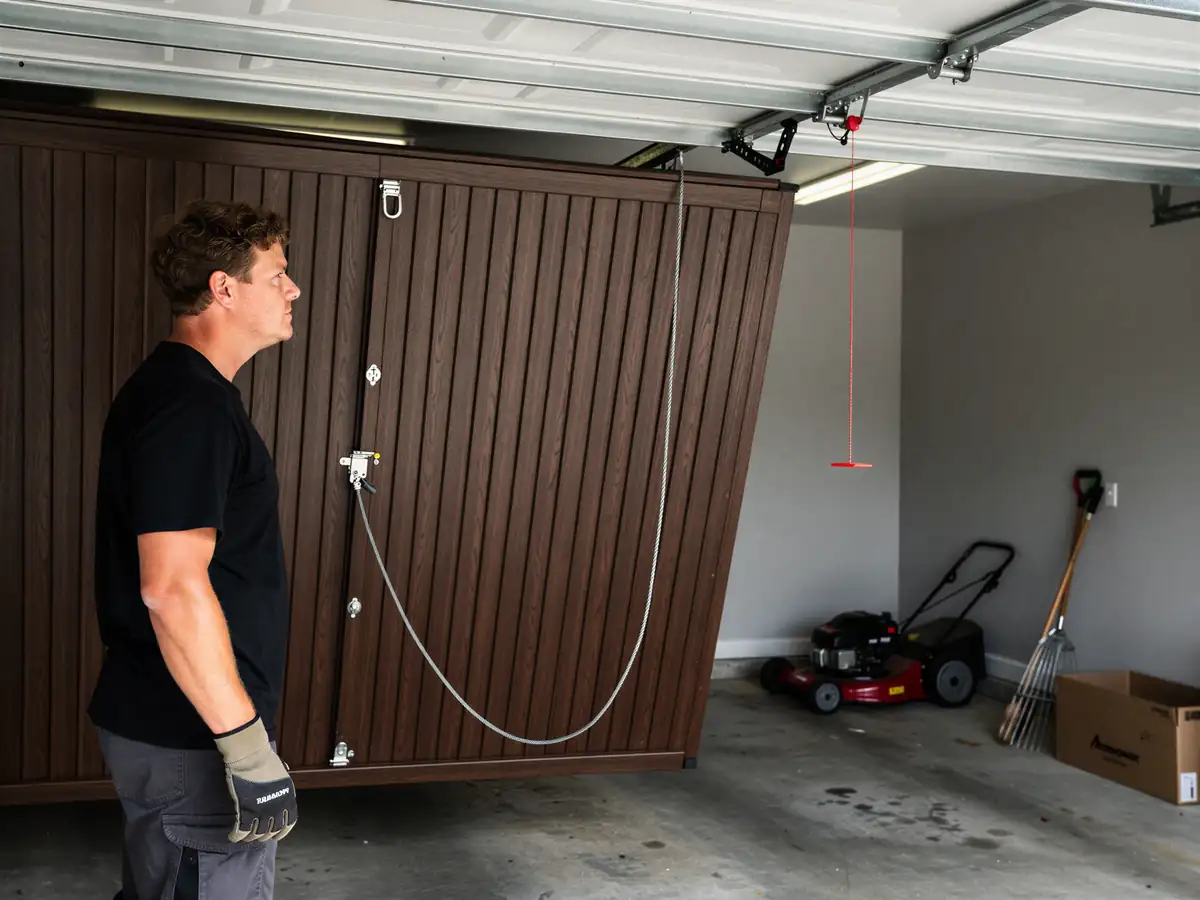
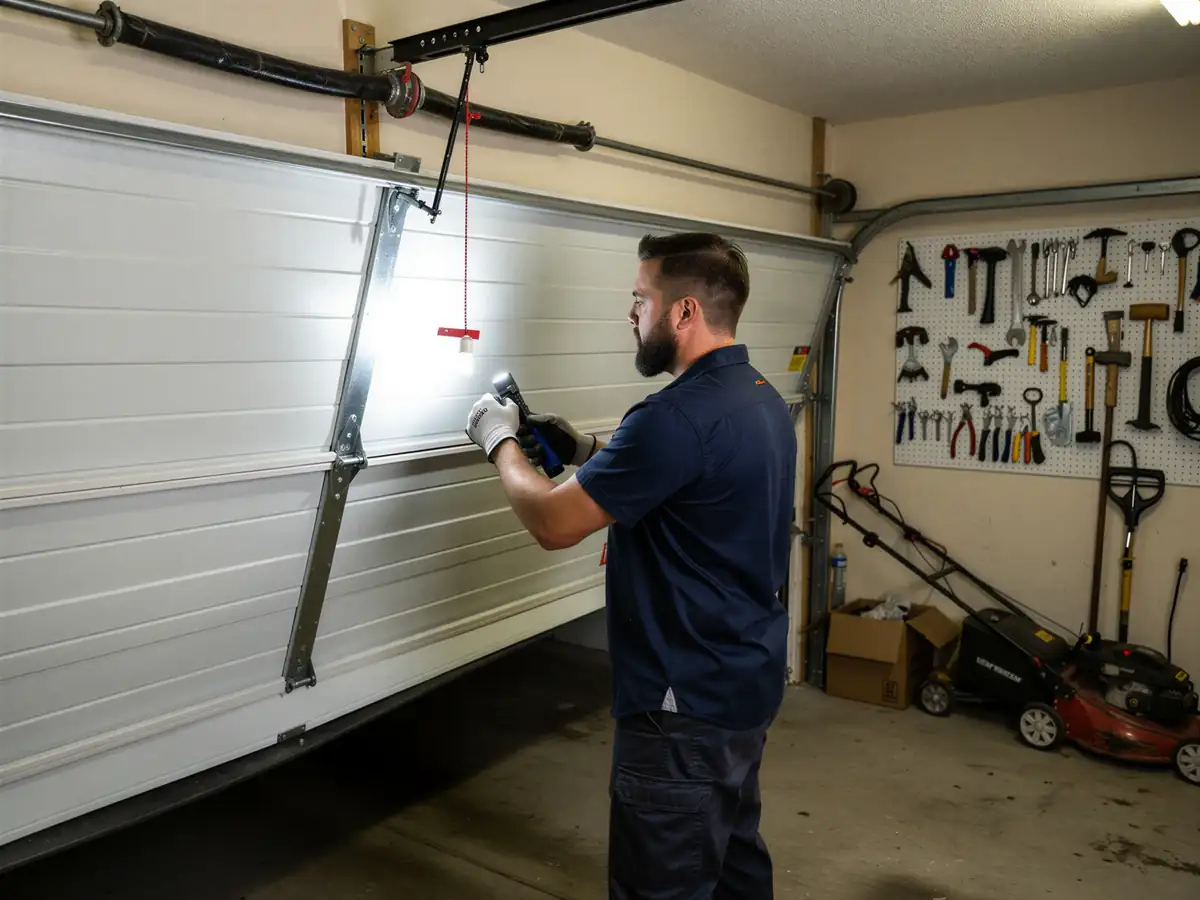
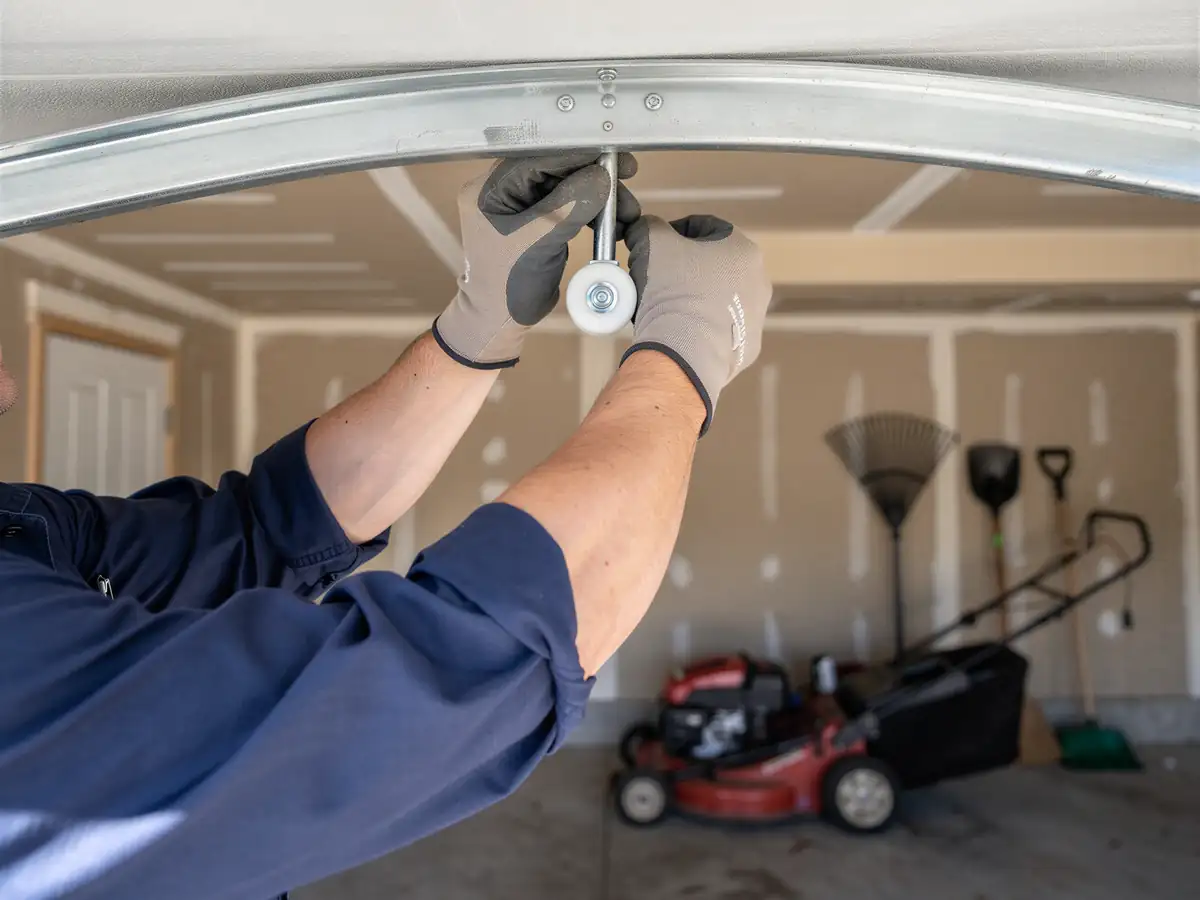
A door that's noticeably heavier to lift by hand than it used to be usually means a torsion spring has lost tension - not catastrophic yet, but not a five-minute fix either, since springs on a build from this era are wound to a tension rating you need to match, not guess. If the opener runs but the door doesn't move, or moves and reverses partway, that's often the circuit board or the travel limits drifting, both common once an opener's past the decade mark. A grinding or popping sound from the track usually means a roller has worn out of round - easy to replace on its own if you catch it before it scores the track itself. Given the 1983 to 2013 age range most houses here fall into, a call at the first sign of any of this is cheaper than waiting for the spring to let go entirely, which can happen without warning and sometimes takes a bottom panel with it on the way down. We'd rather look at a door that's probably fine than get the call after it's not.
What Most People Get Wrong
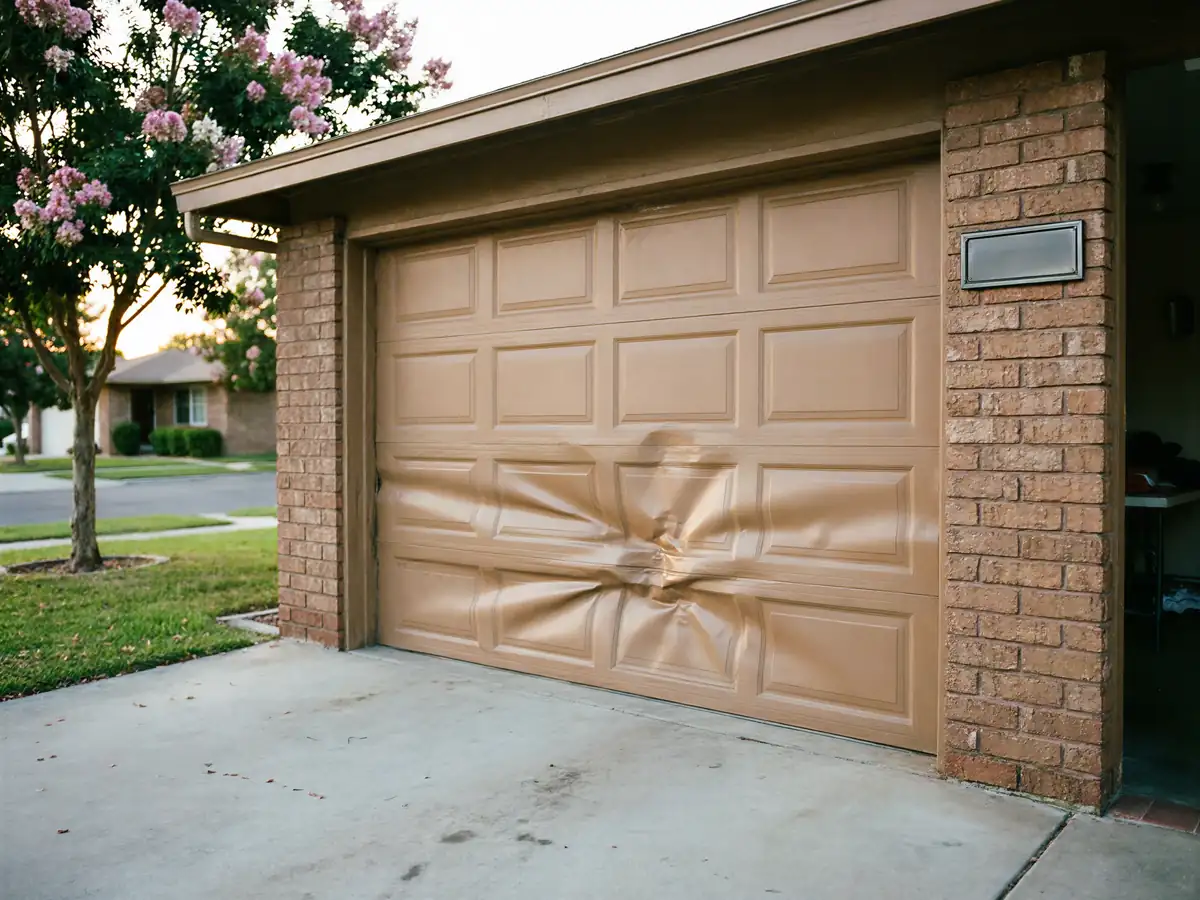
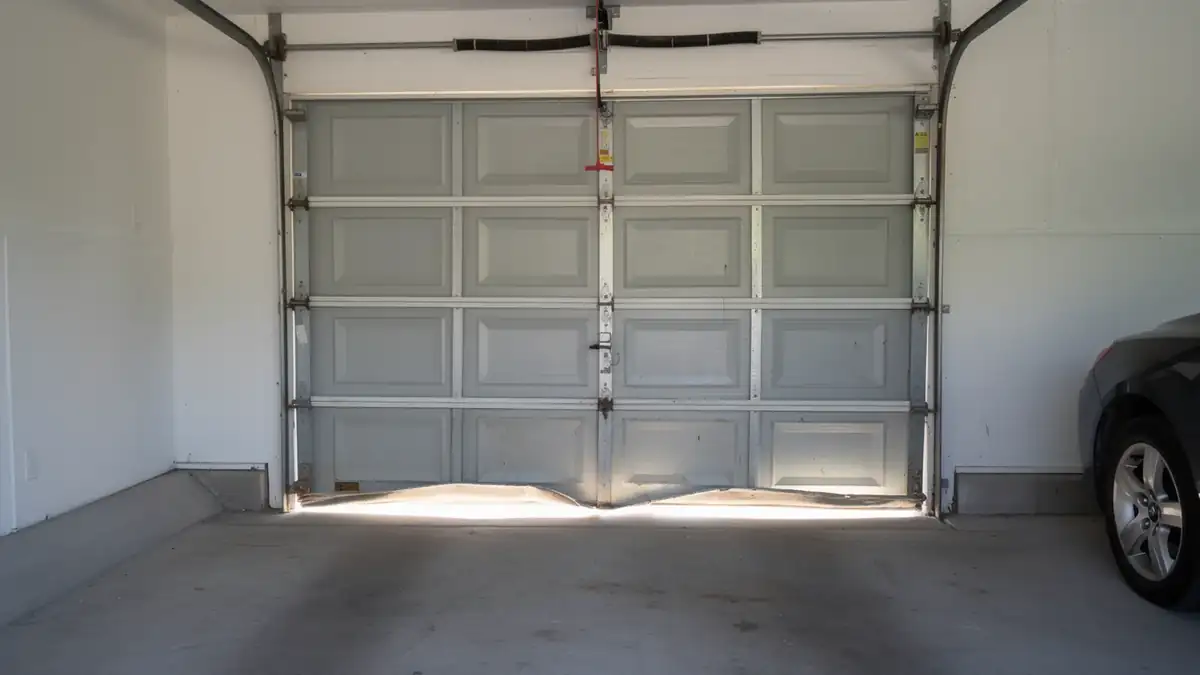
The biggest mistake we see is someone replacing just the part that failed - a spring, a sensor, a remote - without checking whether the rest of the system from that same build year is close behind. If your door went up with the house around 1996, the opener motor, the cables, and the rollers are all the same age as the spring that just broke, and they're not going to last much longer just because they haven't failed yet. The other common one: assuming a stiff or slow door just needs lubricant. Sometimes it does. More often, on a door built to older spring tension, it's the spring itself losing strength, and grease just delays the honest fix by a few weeks. We'll say plainly where we draw the line: if a panel is warped or a track is bent badly enough that it's pulling out of square, we'll tell you replacement is the better money than chasing a repair, and we won't quote a patch job just to get the invoice.